UK Inflation Hits 3.3% in March as Fuel and Air Fares Surge
UK Inflation Hits 3.3% in March Driven by Fuel and Air Fares

British households faced a renewed squeeze on their budgets in March as the UK's annual inflation rate climbed to 3.3 per cent, primarily driven by a sharp increase in petrol, diesel, and air fares. While some relief was found in easing prices for clothing and certain electrical goods, the overall trend pointed upwards.

Fuel Price Surge

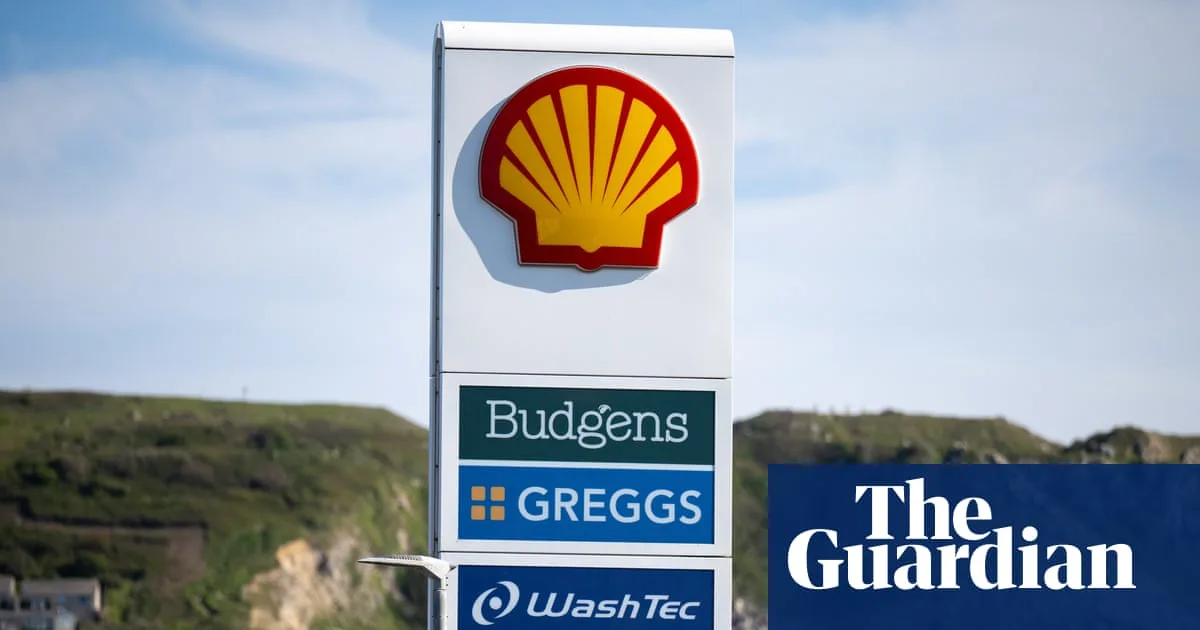
Petrol costs, which saw a 5.4 per cent year-on-year decrease in February, dramatically reversed course to a 2.0 per cent rise in March. Diesel experienced an even more significant swing, moving from a 3.6 per cent annual fall to a 9.6 per cent increase. These surges mark petrol's highest rate since May 2024 and diesel's highest since February 2023, according to the Office for National Statistics (ONS). The escalation in fuel prices is attributed to the Iran war, which began at the end of February, pushing up crude oil costs throughout March.

Air Travel and Food Costs

Concurrently, air travel expenses accelerated sharply, rising 14.5 per cent year-on-year compared to 3.8 per cent in February, likely influenced by the early timing of this year's Easter holidays. Inflation also picked up pace in March across a range of everyday groceries, including chocolate, coffee, tea, fruit juice, eggs and bread. Ice cream recorded the biggest jump of any food produce, up from an annual rate of 1.7 per cent in February to 6.3 per cent in March.

Wide Pickt banner — collaborative shopping lists app for Telegram, phone mockup with grocery list

Offsetting Factors

Helping to offset these upwards pressures was a slowdown in the inflation for clothing. The average cost of women’s clothes was up 0.9 per cent year-on-year in March, a smaller rise than the 3.0 per cent recorded in February, while men’s clothes were up just 0.2 per cent, lower than the increase of 1.0 per cent the previous month. The price of children’s clothing was down year on year by an average of 3.6 per cent in March, a larger drop than the fall of 0.5 per cent seen in February.

Elsewhere, the cost of computer software swung from positive inflation of 2.7 per cent in February to a year-on-year fall of 13.8 per cent in March. Fridges, freezers and irons also swung from positive to negative rates of inflation, while price rises slowed for margarine, crisps, potatoes and cereal.

Detailed Price Changes

Below are some examples of how the Consumer Prices Index (CPI) inflation rate has eased or accelerated. Two figures are listed for each item: the average rise in price in the 12 months to February, followed by the average rise in price in the 12 months to March.

Pickt after-article banner — collaborative shopping lists app with family illustration

Examples where annual inflation has accelerated, ranked by the size of change:

  • Diesel: February down 3.6%, March up 9.6%
  • Passenger air travel: Feb up 3.8%, Mar up 14.5%
  • Petrol: Feb down 5.4%, Mar up 2.0%
  • Edible ices & ice cream: Feb up 1.7%, Mar up 6.3%
  • Chocolate: Feb up 7.8%, Mar up 10.9%
  • Coffee: Feb up 6.3%, Mar up 9.0%
  • Tea: Feb up 4.1%, Mar up 6.7%
  • Fish: Feb up 2.0%, Mar up 4.5%
  • Fruit & vegetable juices: Feb up 0.1%, Mar up 1.7%
  • Rice: Feb up 0.1%, Mar up 1.6%
  • Eggs: Feb up 3.7%, Mar up 4.6%
  • Fruit: Feb up 2.5%, Mar up 3.1%
  • Pasta & couscous: Feb up 3.9%, Mar up 4.4%
  • Bread: Feb up 2.8%, Mar up 3.3%

Examples where annual inflation has eased:

  • Software: February up 2.7%, March down 13.8%
  • Fridges & freezers: Feb up 7.5%, Mar down 0.6%
  • Irons: Feb up 0.1%, Mar down 5.5%
  • Coffee machines & tea makers: Feb up 5.4%, Mar up 0.8%
  • Passenger train travel: Feb up 5.8%, Mar up 1.9%
  • Children’s clothes: Feb down 0.5%, Mar down 3.6%
  • Margarine/other vegetable fats: Feb up 5.2%, Mar up 3.1%
  • Women’s clothes: Feb up 3.0%, Mar up 0.9%
  • Crisps: Feb up 2.0%, Mar up 0.3%
  • Men’s clothes: Feb up 1.0%, Mar up 0.2%




