NHS Worker's Remarkable Recovery After Life-Altering Stroke at 36
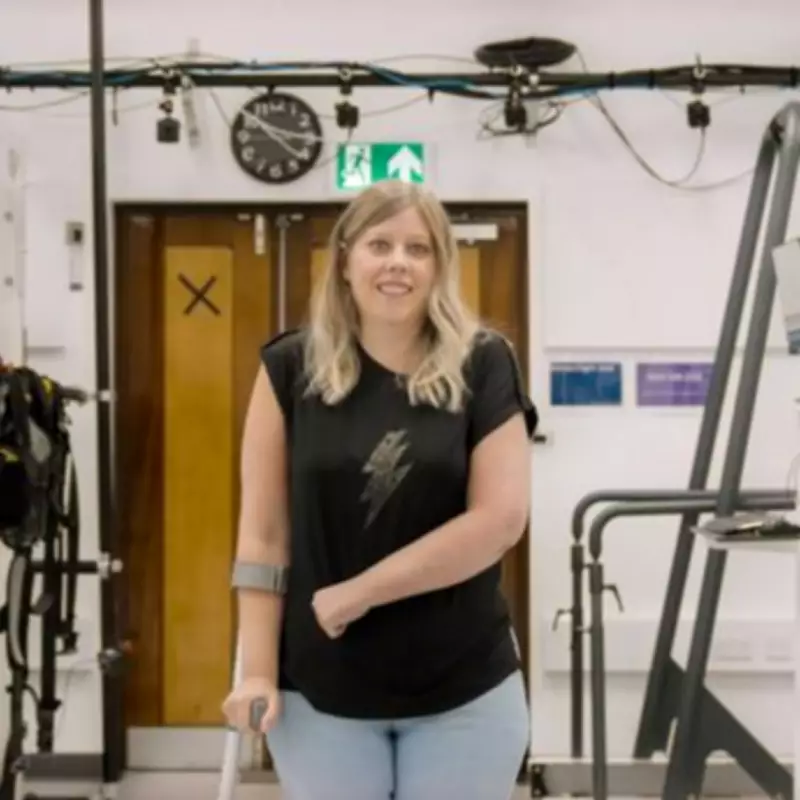
An NHS worker from Glasgow has shared her powerful story of resilience after suffering a devastating stroke at just 36 years old, forcing her to relearn how to walk and adapt to a new reality. Gillian Gordon, who worked for NHS Greater Glasgow and Clyde, experienced complete paralysis on her left side following the severe medical event, turning her world upside down in an instant.
Immediate Recognition and Critical Treatment
Fortunately, Gillian's medical background proved invaluable when she immediately recognised the stroke symptoms and was rushed to the Queen Elizabeth University Hospital. There, medical professionals administered urgent thrombolysis treatment to break up the clot in her brain, a potentially life-saving intervention that she credits with giving her the best possible chance of recovery.
The 46-year-old survivor endured a gruelling 12-week hospital stay where she had to master walking from scratch, facing the daunting challenge of rebuilding her mobility and independence. Upon returning home, Gillian confronted significant additional hurdles while adjusting to her altered circumstances, including coming to terms with the permanent loss of use in her left arm alongside ongoing weakness in her left leg.

Post-Hospital Rehabilitation Challenges
Gillian reveals that the post-hospital support she received fell well short of meeting her extensive rehabilitation requirements, leaving her to navigate much of her recovery journey independently. Marking Stroke Prevention Day in Scotland, she is opening up about her ordeal to stress that recognising stroke symptoms enabled her to access critical treatment without delay – and she's urging everyone to familiarise themselves with the warning signs.
"Everyone should have access to the right rehabilitation, no matter how old we are," Gillian asserts. "There just isn't enough support once you leave hospital."
Groundbreaking Rehabilitation Trial
In 2022, Gillian opted to participate in a groundbreaking stroke rehabilitation trial at Strathclyde University, developed in collaboration with Chest Heart and Stroke Scotland. The innovative programme utilised technology to help retrain her brain, including games on a specialist iPad system that assisted her in visualising and improving movement in her affected arm.
The trial also incorporated treadmill training that enabled her to identify and correct her gait issues, providing targeted support for her walking rehabilitation. Following her participation, Gillian reported immediate and significant progress, stating that this type of innovative rehabilitation has been transformative for her mobility, confidence and long-term recovery prospects.
Advocacy for Improved Stroke Support
Now a strong advocate for improved rehabilitation access for stroke survivors, Gillian has returned to work but continues to deal with the long-term effects of her stroke. She hopes her experience will highlight the need for more comprehensive community rehabilitation services in Glasgow and throughout Scotland, ensuring that others facing similar challenges receive the support they need.
Joanne Graham, Director of Services at Chest Heart and Stroke Scotland, emphasised the organisation's commitment to stroke awareness and support: "At Chest Heart and Stroke Scotland, we work hard to help people understand their risk of stroke, recognise the signs and symptoms through our Act F.A.S.T. campaign, and take action to protect their health."
"Through our Health Defence Hubs across Scotland, we offer free health checks, expert advice, and community-based physical activity programmes to help people stay active and well. Post-stroke rehabilitation is also essential, yet too many people in Scotland still can't access the support they need to rebuild their lives."
Recognising Stroke Symptoms
Chest Heart and Stroke Scotland outline the crucial symptoms to be aware of in their Act FAST campaign, with FAST standing for:

- Face – Has their face fallen on one side? Can they smile?
- Arms – Can they raise both arms and keep them there?
- Speech – Is their speech slurred or garbled?
- Time – Time to call emergency services immediately if you see any of these signs
The organisation encourages anyone affected by chest, heart or stroke conditions, or those worried they may be at risk, to contact their Advice Line for support and guidance. Gillian's story serves as a powerful reminder of both the devastating impact of stroke and the remarkable human capacity for recovery when appropriate support and treatment are available.