NHS to Introduce Type 1 Diabetes Screening for Children Following Groundbreaking Research
The National Health Service is set to establish pre-diabetes clinics for children after a landmark study confirmed the viability of using simple finger-prick blood tests to detect type 1 diabetes before symptoms appear. This research, described as a potential step change in diagnosis and treatment, could transform how the condition is managed across the UK.
Transforming Diagnosis from Emergency to Early Intervention
Currently, far too many children with type 1 diabetes receive their diagnosis only during medical emergencies, often requiring immediate hospital treatment. The new approach validated by the Early Surveillance for Autoimmune Diabetes (Elsa) study enables identification during the very earliest stages of the disease. This early detection provides crucial time for families to prepare and access treatments that could delay the need for insulin therapy by several years.
Professor Parth Narendran, lead researcher and professor of diabetes medicine at the University of Birmingham, told the Press Association: "This is a landmark study for the UK. It shows for the first time that we can identify those people at an early stage and prevent emergency diagnoses. It's giving families time to prepare."

How the Screening Programme Works
The Elsa study involved inviting UK children aged three to thirteen without type 1 diabetes to provide finger-prick blood samples. These samples were analysed for antibodies known to be present in pre-symptomatic patients. Key findings from the research include:
- Analysis of 17,283 tests revealed more than 200 children at risk or with markers indicating potential type 1 diabetes development
- Children identified as at-risk were invited for further blood tests or glucose tolerance tests
- The next phase, Elsa 2, will expand to include children aged two to seventeen
New NHS Clinics and Treatment Possibilities
The research will support NHS clinics for four years across twenty study sites throughout the United Kingdom. These clinics will provide essential support and education for families where children are identified as being at risk of or in the early stages of type 1 diabetes. Healthcare staff will help children transition to insulin treatment when necessary, ensuring a gentler introduction to managing their condition.
If approved by the NHS spending watchdog, some children may access teplizumab – an immunotherapy drug approved for UK use last year that can help delay insulin treatment requirements. Professor Narendran explained: "In the future there could be the possibility of offering treatments such as teplizumab, and others that are in the pipeline, so they don't need insulin therapy in the long term."
Family Experiences and Future Impact
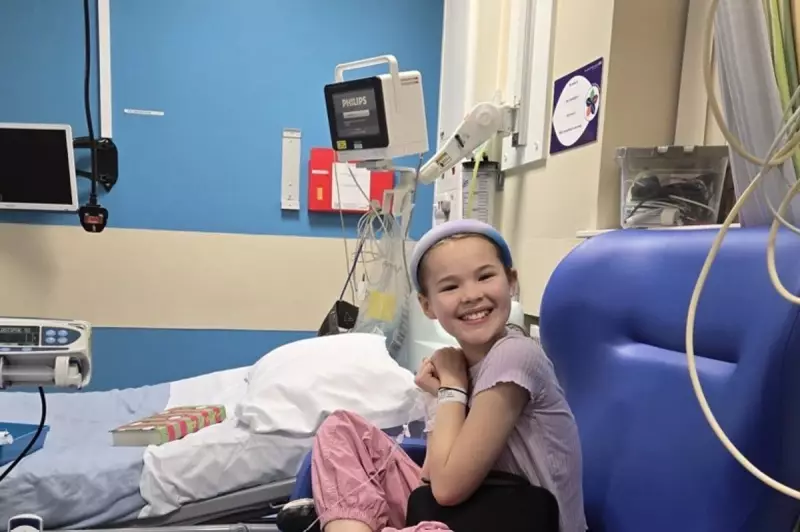
Amy Norman from the West Midlands, diagnosed with type 1 diabetes at thirteen, discovered through the Elsa study that her eleven-year-old daughter Imogen is in the early stages of the condition. Imogen became the second child in the UK to access teplizumab. Ms Norman shared: "Being part of the Elsa study has helped us as a family to prepare for the future in a way we never expected. Being forewarned is being forearmed."
With approximately 400,000 people in the UK living with type 1 diabetes – representing about eight percent of all diabetes cases – and about a quarter of children only diagnosed during emergencies, this screening approach could prevent what Professor Narendran describes as crash landings into diagnosis.
Dr Elizabeth Robertson from Diabetes UK emphasised: "For too many families a child's type 1 diabetes diagnosis still comes as a frightening emergency, but that doesn't have to be the case. The Elsa study is generating the evidence needed to make type 1 diabetes screening a reality for every family in the UK."
Rachel Connor from Breakthrough T1D added: "This is about rewriting the story of type 1 diabetes for thousands of families – instead of a devastating emergency, we can offer time, choices and hope."

Following Italy's implementation of a national screening programme, the UK now joins other countries exploring systematic screening approaches for this condition that affects thousands of children nationwide.