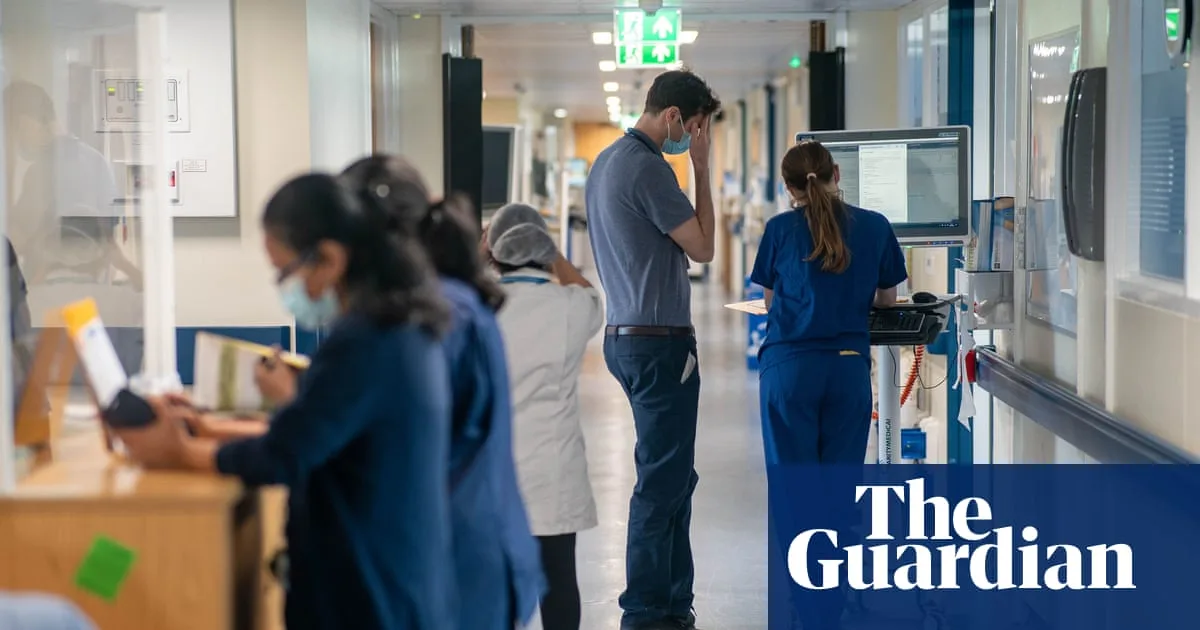
Government ministers have faced widespread ridicule following revelations that the NHS has been paying hospitals approximately £3 million each month to delete patients from waiting lists. This controversial practice creates the misleading impression that the health service is treating more people than it actually is, according to new analysis of official figures.
Labour's Boasts Under Scrutiny
Sir Keir Starmer and Health Secretary Wes Streeting have repeatedly celebrated Labour's apparent success in reducing patient waiting times since taking office. However, fresh examination of NHS data suggests hundreds of thousands of individuals are being removed from waiting lists without receiving the treatment they were originally scheduled for.
The 'List Cleansing' Process
This procedure, known officially as 'validation' or colloquially as 'list cleansing', involves paying consultants to review their patient backlogs. Their task is to identify individuals who may have died, no longer require treatment, or have chosen not to proceed with their scheduled procedures.
Between April and September last year, NHS England paid hospital trusts a staggering total of £18,818,566 specifically for these validation exercises. With payments averaging about £33 per patient removed, this suggests more than half a million people were deleted from waiting lists during this six-month period alone.
Previous Government Opposition
A source from the previous administration revealed to The Times that former Prime Minister Rishi Sunak had vetoed a similar NHS plan during his tenure. The objection centered on the principle of paying the health service for what was considered routine administrative work.
The source explained that Sunak believed the NHS should be conducting such reviews as part of normal operations without additional financial incentives. They further warned that 'artificially' reducing waiting list numbers creates a distorted picture of NHS performance that doesn't reflect reality.
Experts Voice Serious Concerns
Healthcare specialists have raised significant alarms about the potential risks associated with this approach. There are genuine fears that patients who still require medical attention might be incorrectly removed from waiting lists during these validation exercises.
Sarah Scobie, deputy director of research at the Nuffield Trust think tank, offered a sobering assessment. She stated, 'The balance between referrals for treatment versus treatment delivered hasn't changed much over the past few months, so it's likely that a big proportion of recent waiting list reductions have happened due to reasons other than the NHS boosting activity.'
Scobie continued, 'One example of this is data cleaning exercises. A lack of transparency about this can sometimes create an illusion that the NHS is delivering more care than it is.'
Questionable Achievement Claims
Two weeks ago, the Prime Minister announced that NHS waiting lists had decreased by 'more than 86,000', describing this as the 'largest fall in a month for over two years'. He emphasized that 'These aren't just numbers - it is thousands of people getting the care they need.'
However, this apparent achievement appears largely attributable to the validation process. In November alone - the month referenced by Starmer - 346,300 patients were removed from NHS waiting lists. This represented an increase of 82,000 removals compared to October and accounted for almost the entire claimed reduction.
Compounding concerns, NHS data reveals hospitals actually carried out approximately 10 percent fewer operations and appointments in November than in October, indicating fewer people were receiving treatment despite the improved waiting list statistics.
Long-Term Strategy Concerns
Sarah Woolnough, chief executive of the King's Fund think tank, acknowledged that the NHS 'reasonably regularly' opts to 'cleanse' waiting lists, which accounts for significant numerical reductions. However, she stressed this approach cannot serve as a sustainable long-term strategy for healthcare improvement.
Speaking to Times Radio, Woolnough explained, 'If people no longer need treatment, they may choose not to have treatment, their condition may have resolved, or they may have died whilst waiting on a list. Bearing in mind, our waiting list for elective care stands at 7.3 million, and that's over six million people waiting for care, it's a legitimate exercise to do.'
She posed the critical question: 'I think the question ... is the Health Secretary, are the Government, over-claiming? And this is no long-term strategy. These exercises are kind of one-off that you do reasonably every few months, but they're no substitute for increased activity levels to actually bear down on the wait list.'
Government Response and Justification
Responding to parliamentary questions about the payments, Health Minister Karin Smyth defended the validation process. She stated, 'Validation is a well-established component for the effective management of waiting lists, ensuring that the patients who are on the list should still be there.'
Smyth continued, 'While we have significantly reduced the size of the total elective waiting list by over 206,000 since the Government took office, a large list requires consistent validation in order to ensure that all patients on the list still require care, and all appointments are of optimum value for patients and clinicians.'
Potential Benefits Acknowledged
NHS sources have suggested that paying consultants to review waiting lists can yield some positive outcomes. The process can identify patients who might benefit more from alternative treatment options, such as physiotherapy, while potentially allowing other patients to receive treatment more quickly by removing those who no longer require services.
Nevertheless, the substantial financial expenditure on what critics describe as administrative housekeeping continues to raise serious questions about priorities and transparency within the national health service.