
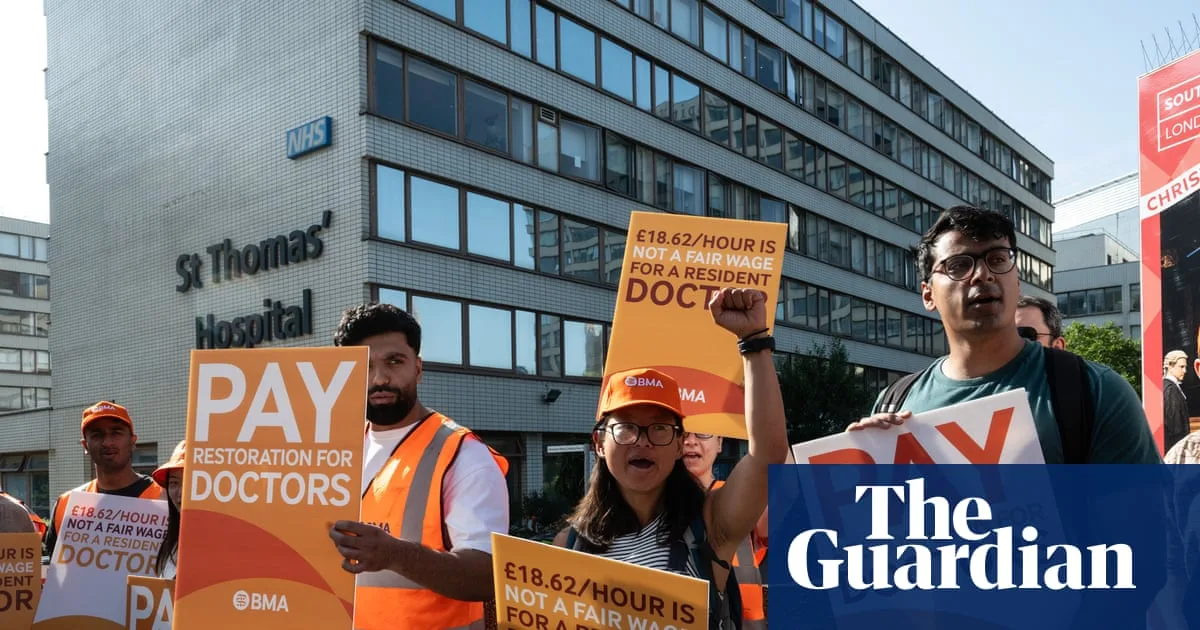
Health Secretary Wes Streeting has accused resident doctors of “torpedoing” their own pay rises and training opportunities by launching a six-day strike in England. The walkout, which began at 7am on Tuesday, is the 15th since March 2023 and the longest yet, as doctors continue their campaign for “full pay restoration”.
Streeting said the British Medical Association (BMA) rejected a “serious offer” from the government that would have delivered an average pay rise of 4.9% this year, at least 6.2% for the lowest-paid doctors, and a cumulative increase of 35.2% over four years. The deal also included up to 4,500 additional specialty training posts over three years, with 1,000 starting this April, and reimbursement of mandatory exam fees.
The health secretary warned the strike threatens to derail NHS progress on waiting times and has already cost an estimated £3bn since 2023. NHS officials said the current stoppage will cost around £300m, lead to cancelled appointments, and prolong patient waits. Streeting said the BMA’s rejection “torpedoes” the pay rises and training posts, and puts the NHS recovery at risk.
The BMA is seeking a 26% pay rise over several years. Dr Jack Fletcher, chair of the BMA’s resident doctors committee, blamed the government for shifting the goalposts at the last minute, reducing the money on the table and stretching it over too many years. He said the strikes were avoidable and that the government refused to undo its last-minute changes.
The breakdown in talks was reportedly triggered by a dispute over when £700m of extra “progression pay” would be provided. Streeting wanted it spread over three years, while the BMA demanded the full amount in the new NHS operational year starting last Wednesday. The BMA declared the strike after accusing the government of watering down the deal.




