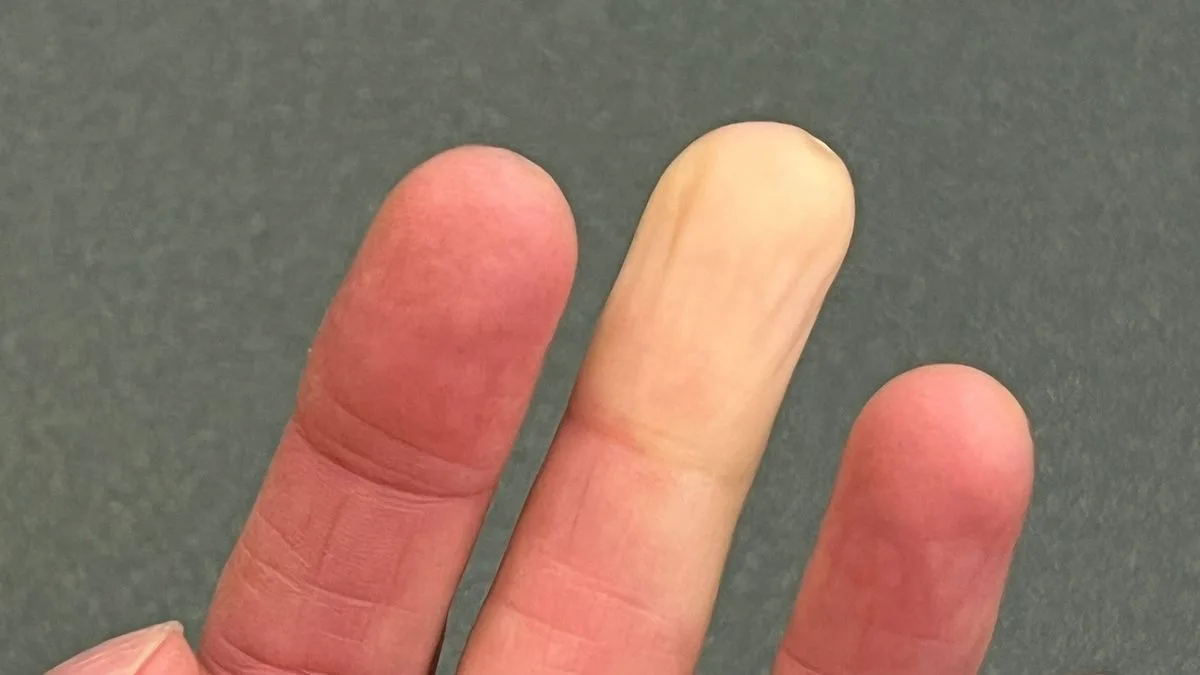
NHS Alert: Why Your Fingers and Toes Change Colour in the Cold
NHS issues alert over Raynaud's phenomenon symptoms

The National Health Service has issued a fresh alert concerning a widespread but often overlooked condition that can cause noticeable changes in the body's extremities. In a social media post, the health body drew attention to Raynaud's phenomenon, urging the public to understand its symptoms and know when to seek medical advice.

What is Raynaud's Phenomenon?

Raynaud's is a common condition where the blood vessels in certain parts of the body, most often the fingers and toes, overreact to cold temperatures or emotional stress. This exaggerated response causes the small arteries to narrow temporarily, severely restricting blood flow to the affected areas. The result is a distinct set of physical changes that can be alarming to those experiencing them for the first time.

According to NHS guidance, the primary symptoms experienced during an attack include the skin turning noticeably paler or sometimes blue, accompanied by sensations of pain, numbness, and a distinct pins-and-needles tingling. While fingers and toes are the most commonly affected, some people may also notice these symptoms in their ears, nose, lips, and even their nipples.

When Should You Seek Medical Advice?

For most individuals, Raynaud's is a manageable and relatively harmless condition. Attacks can last from a few minutes to several hours and are often alleviated by simply warming up the body. The NHS recommends regular exercise, a balanced diet, and keeping warm as effective management strategies.

However, the health service stresses that there are specific situations where consulting a GP is crucial. You should seek professional advice if:

  • Your symptoms are severe or getting progressively worse.
  • Raynaud's begins to affect your daily life and activities.
  • Symptoms appear only on one side of your body.
  • You also experience joint pain, skin rashes, or muscle weakness.
  • You are over 30 and experiencing Raynaud's symptoms for the first time.
  • Your child, who is under 12 years old, is showing symptoms.

In such cases, a GP may prescribe medication like nifedipine to improve circulation and may arrange tests to rule out underlying conditions such as rheumatoid arthritis or lupus.

Lifestyle Adjustments and Further Support

Beyond medical intervention, the NHS notes that lifestyle changes can significantly impact symptom frequency and severity. Quitting smoking is strongly advised to improve overall circulation. Additionally, reducing intake of caffeine—found in tea, coffee, cola, and chocolate—can be beneficial, as it is known to potentially trigger Raynaud's attacks.

For those seeking more information or support, the NHS website offers comprehensive guidance on symptoms and treatment. The charity SRUK also provides valuable resources and support groups for individuals living with Raynaud's or the related condition scleroderma.

While the sight of discoloured fingers or toes can be concerning, understanding Raynaud's phenomenon is the first step towards effective management and knowing when it might signal a need for further medical investigation.




