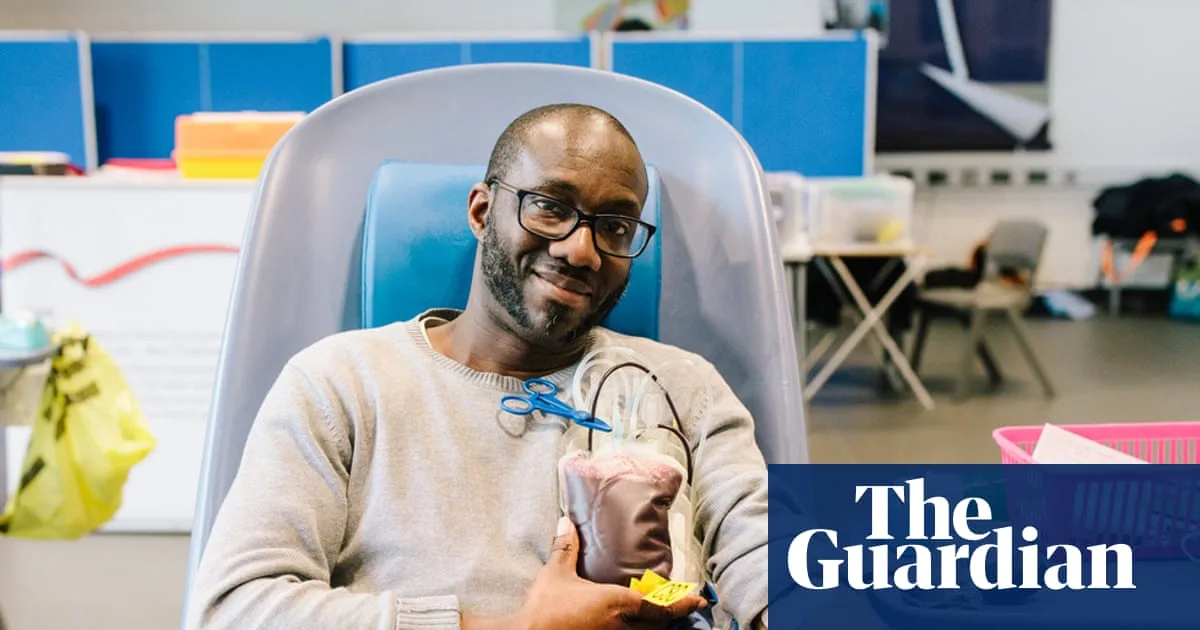
The NHS is facing its most severe blood shortage in a decade, with officials warning of a threat to public safety unless 200,000 new donors come forward. NHS Blood and Transplant (NHSBT) aims to reach a target of one million regular donors, but currently only 800,000 people—just 2% of England's population—are donating.
An amber alert was issued last year after a cyber-attack on London hospitals caused blood stocks to plummet, and levels have remained dangerously low since. NHSBT chief executive Dr Jo Farrar said: 'Our stocks over the past 12 months have been challenging. If we had a million regular donors, this would help keep our stocks healthy – you’d truly be one in a million.'
There is a critical need for O-negative blood, the universal type used in emergencies, as well as more donors from black communities who are more likely to have blood types that help treat sickle cell disease. Two-thirds of donated blood goes to patients with cancer, blood disorders, or those needing regular transfusions.
Four-year-old Isaac Balmer from Hull, who has hereditary spherocytosis, relies on transfusions every 12 weeks. His mother Jasmin Suggit said: 'He refers to donor blood as “Hulk blood” and imagines himself becoming stronger. This wouldn’t be possible without the real-life superheroes who donate regularly.'
Health minister Gillian Merron urged people to come forward, saying: 'We are working to make donating blood easier than ever, opening new donor centres and offering appointments closer to home.' NHSBT stressed that while registrations have risen, only 24% of new registrants actually donate, and more are needed to avoid a red alert.