
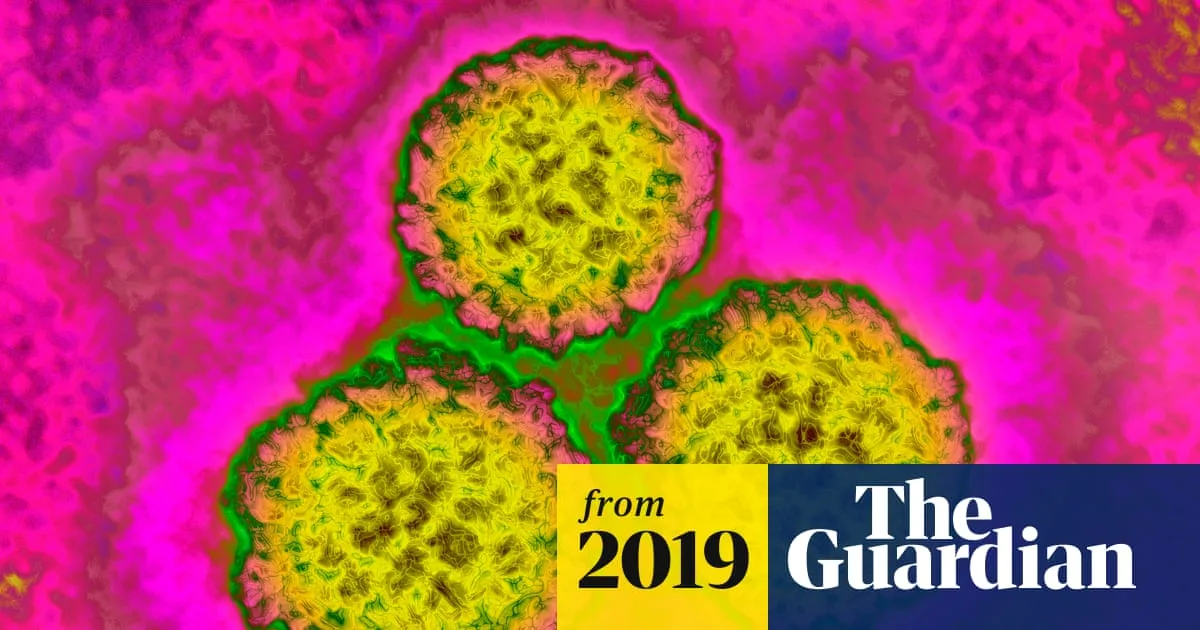
The NHS will extend the human papillomavirus (HPV) vaccination programme to all boys in school year 8 in England from this September, a move expected to prevent tens of thousands of cancers. The decision follows similar announcements in Scotland and Wales.
Public Health England estimates that by 2058 – the 50th anniversary of the launch of HPV vaccination for girls – the programme may have prevented more than 100,000 cancers across the UK. HPV is responsible for most cervical cancers and is linked to 5% of all cancers, including penile, anal, genital, and some head and neck cancers.
Professor Beate Kampmann, director of the vaccine centre at the London School of Hygiene and Tropical Medicine, called the decision “a triumph for gender equality in cancer prevention”. She pointed to Australia’s success, where HPV rates among women aged 18 to 24 dropped from 22% to 1% between 2005 and 2015 after introducing vaccination for girls in 2007 and boys in 2013.
Robert Music, chief executive of Jo’s Cervical Cancer Trust, described the announcement as “a huge leap forward”. He said: “HPV does not discriminate, it can affect everyone, yet there are still many harmful myths and stigmas surrounding it. This is why a universal vaccination programme is so important.”
Modelling by the University of Warwick predicts that 64,138 HPV-related cervical cancers and 49,649 other HPV-related cancers will be prevented over 50 years. Dr Mary Ramsay, head of immunisation at Public Health England, said: “This universal programme offers us the opportunity to make HPV-related diseases a thing of the past.”




