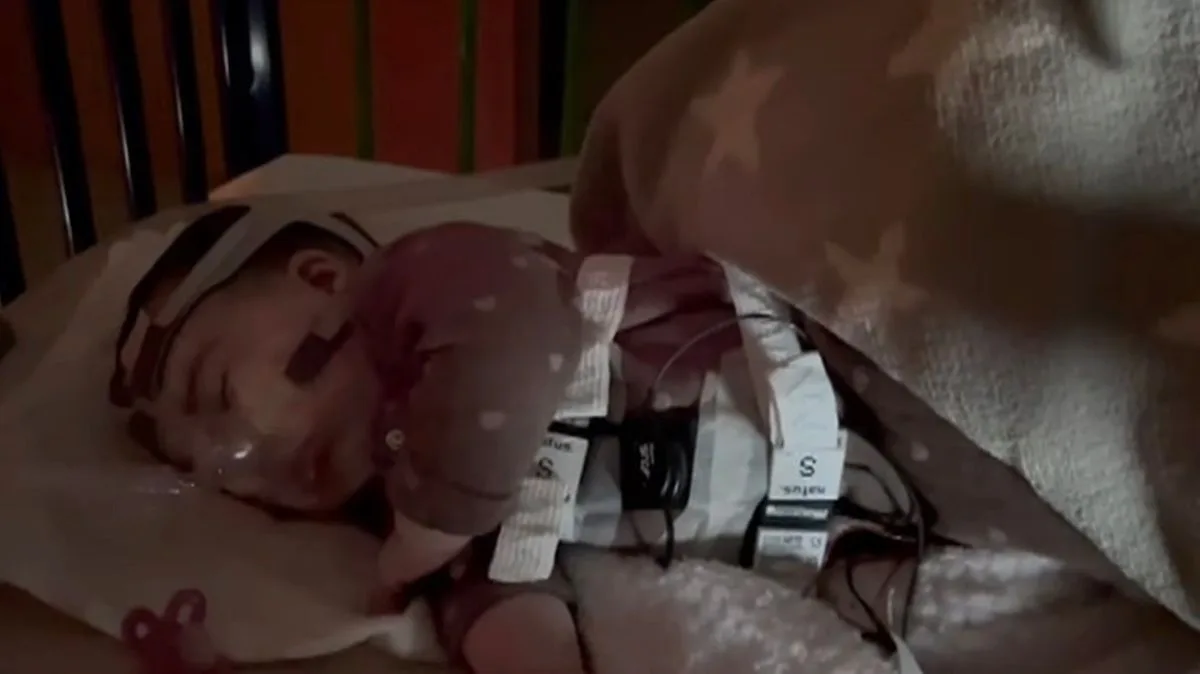
Exclusive modelling documents have revealed the devastating human cost of the NHS's continued delay in implementing a routine £5 blood test for spinal muscular atrophy (SMA) in newborns. The analysis shows that each year of postponement results in three preventable infant deaths and leaves thirty children permanently unable to walk.
The Urgent Case for Universal Screening
The Mirror has obtained confidential documents that outline the shocking consequences of the NHS's failure to add SMA to the standard newborn heel prick test, which currently screens for ten other conditions including cystic fibrosis. While most European nations and the United States already conduct this screening, allowing for early intervention with life-changing treatments, the UK continues to lag behind.
Treatment Window and Consequences of Delay
Spinal muscular atrophy is a progressive muscle-wasting disease where timing of diagnosis is absolutely critical. The available drug treatments can effectively cure the condition if administered soon after birth, before muscle neurons have deteriorated. However, even a delay of a few months can mean that affected babies will never walk, and in more severe cases, will require mechanical breathing assistance and feeding tubes directly into their stomachs.
Pop star Jesy Nelson, whose twin babies have been diagnosed with SMA Type 1 and have been told they will never walk, has become a leading voice in the campaign for universal newborn screening. Her advocacy has brought renewed attention to this critical public health issue.
Modelling Reveals Full Impact
The Sheffield Centre for Health and Related Research (SCHARR) modelling, which has been seen by the UK National Screening Committee, provides stark figures about the annual impact of screening delays. Beyond the three tragic deaths each year, the analysis shows that two additional babies will grow up requiring breathing machines as their lung and windpipe muscles waste away.
Furthermore, thirty SMA babies annually will be confined to sitting positions for life, never experiencing the ability to walk. The modelling also indicates that screening would enable approximately thirty-seven more babies with SMA to live broadly normal lives through early intervention.
Economic Arguments for Screening
The financial case for implementing universal screening appears compelling. The documents reveal that the £6.7 million cost of screening all UK newborns for SMA would be "offset by the long-term cost savings due to lower health care costs." This calculation only includes direct medical expenses and doesn't account for additional burdens on families and the healthcare system.
Giles Lomax, chief executive of charity SMA UK, explained the limitations of the current economic analysis: "The study only looked at the money spent by hospitals and doctors. It didn't include the 'hidden' costs - expensive equipment like wheelchairs and breathing machines, home modifications such as ramps, or the income parents lose when they must leave employment to provide full-time care."
The reality for families dealing with severe SMA includes round-the-clock nursing care, with some children requiring a nurse at their bedside all night to monitor breathing, and one or two nurses accompanying them at school. The NHS also bears the cost of repeated hospital admissions when these vulnerable children contract common infections like colds.
Government Response and Ethical Concerns
Health Secretary Wes Streeting has responded to growing pressure by stating he has "asked his team" whether a planned NHS pilot to screen some newborns for SMA could be expanded to include all babies as part of the routine heel prick test. However, this pilot isn't scheduled to begin until next year at the earliest.
Current plans propose that one third of newborns - approximately 163,000 annually - would not be tested, serving as a "control group" to compare outcomes. Medical experts have branded this approach "unethical" given the proven benefits of early diagnosis and treatment.
Balancing Benefits and Risks
The modelling acknowledges a complex consideration: screening with the current 99.9% accurate blood test would diagnose and treat three babies annually for less severe forms of SMA that wouldn't typically affect them until adulthood. In these rare cases, early treatment "may be detrimental to their health and wellbeing."
Mr Streeting recently told The Mirror: "Jesy and other campaigners have made a powerful case for doing more on screening and there is some good news on this. Planning for a large-scale trial across the NHS is underway, where hundreds of thousands of babies will be screened for SMA from next year to help build the evidence base needed to support a national screening programme."
The Health Secretary added: "I have asked my team to look at whether this evaluation can start sooner, and whether it can be expanded to involve all babies, rather than two thirds as currently planned and will be reporting back to the SMA community on this."
The UK National Screening Committee has delayed recommending newborn SMA testing since life-changing treatments became available in 2019, resulting in dozens of babies being left needlessly disabled each year. As the campaign gains momentum, families affected by SMA continue to wait for the NHS to implement the simple £5 test that could transform - and save - young lives.




