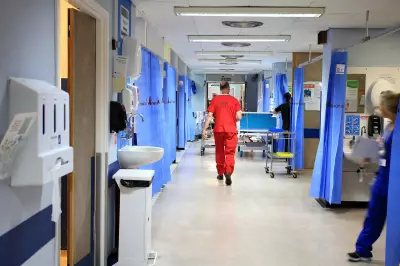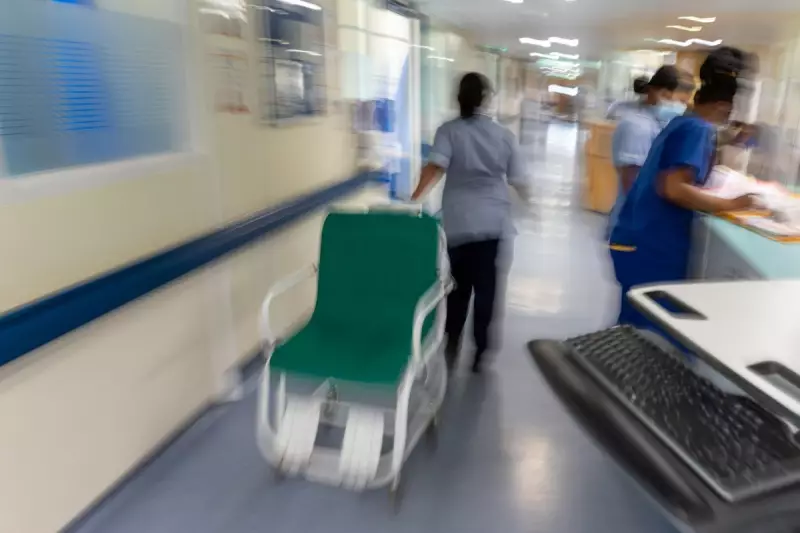
A damning new report has laid bare the shocking and persistent reality of 'corridor care' within the NHS, with nurses describing a 'broken system' where patients are subjected to conditions akin to 'torture'. The findings from the Royal College of Nursing (RCN), based on a survey of 436 nursing staff this month, reveal a healthcare environment where dignity is routinely compromised and safety is severely undermined.
‘A Type of Torture’: First-Hand Accounts from the Frontline
The testimony gathered by the RCN paints a harrowing picture of a service in crisis. Nurses reported treating patients not in wards, but in freezing corridors, staff kitchens, offices, and even rooms intended for viewing the deceased. One patient was left in a chair for four days, while another tragically died after choking undetected in a hospital hallway.
In one particularly distressing incident, an elderly patient was forced to eat their meal next to another person who was vomiting, a direct result of severe overcrowding. Nursing staff described having to hold up white sheets to protect patient privacy during intimate examinations, a stark symbol of the indignity now commonplace.

"I imagine patients feel deeply embarrassed, objectified, judged, uncared for," said a nurse from south-west England. "[They] would rather have taken the risk of dying at home than go through the torture. Because that’s what we subject them to, a type of torture." Another in the South stated bluntly: "We would not treat animals like this in a veterinary practice, so why in a hospital?"
The Devastating Toll on Patients and Staff Morale
The consequences of this systemic failure are severe and wide-ranging. A nurse in London reported that elderly patients regularly spend 24 hours on trolleys in corridors, leading to the development of incontinence and the picking up of respiratory viruses, which have resulted in "extreme critical incidents including death".
The emotional and psychological impact on NHS staff is equally profound. A nurse in the West Midlands spoke of going home to worry about patients and colleagues "being forced to deliver this undignified care," leading to significant pre-shift anxiety. Another in the South East said their personal anxiety was at an "all-time high," losing sleep and constantly checking live waiting times online to mentally prepare for their shift.
"The system is broken and so are we," one nurse in the South East summarised bleakly. The RCN warned that these collapsing standards are pushing staff morale "almost past the point of no return."
Calls for Action and Government Response
RCN General Secretary Professor Nicola Ranger declared that safe, dignified care cannot be delivered in a corridor, store room, or dining room, yet this has become the norm. She called on the Government to take control by investing in more hospital beds, nurses, and community and social care services. "The tragedy is that every day, people are coming to harm just when they need excellent care the most," she stated.
The Department of Health and Social Care responded, stating the situation is "unacceptable and undignified" and that they are determined to end it. They cited immediate steps including a £450 million investment to expand urgent and emergency care, building 40 new same-day emergency care centres, and 15 mental health crisis centres.
However, public scepticism remains high. A separate YouGov poll of 2,150 UK adults found that 69% believe the Government's pledge to eradicate corridor care in England by the 'end of parliament' is progressing 'too slow'. Health leaders, like Rory Deighton of the NHS Confederation, emphasise that corridor care is the visible 'tip of the iceberg' of a whole-system patient flow issue, exacerbated by over a decade of underinvestment in infrastructure and social care.