NHS to Launch Child Diabetes Screening Clinics Following Landmark Study
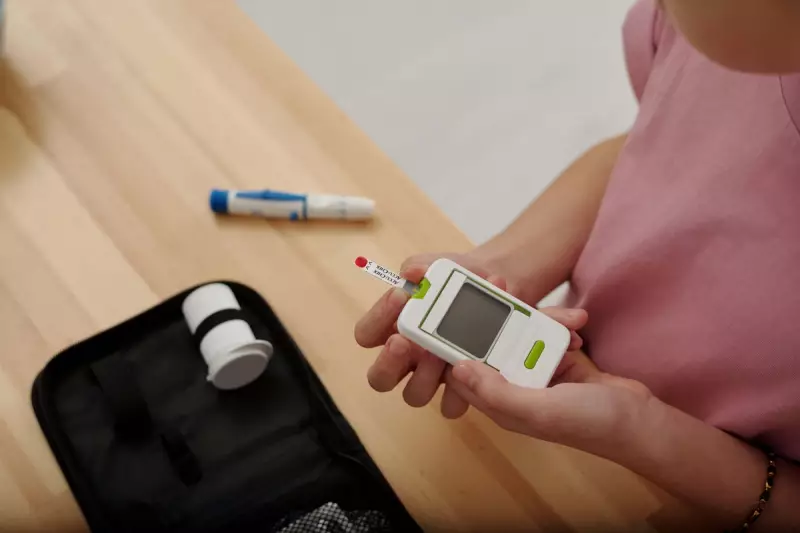
The NHS is set to establish specialised pre-diabetes clinics for children across the UK, following a significant and groundbreaking study that has validated the use of simple finger-prick blood tests for the early detection of Type 1 diabetes. This initiative marks a potential step change in paediatric healthcare, aiming to transform how this chronic condition is diagnosed and managed from an early age.
Elsa Study: A Landmark in Diabetes Research
The Early Surveillance for Autoimmune Diabetes (Elsa) study, described as a landmark in medical research, has confirmed the viability of screening for Type 1 diabetes before symptoms even begin to manifest. This research identified over 200 children who were at risk of developing the condition, providing crucial data that supports proactive healthcare measures. By detecting diabetes early, the NHS hopes to shift away from the current scenario where about a quarter of children with Type 1 diabetes are diagnosed in emergency situations, often leading to more severe health complications and distress for families.
Benefits of Early Detection and New Clinics
The new NHS clinics will offer comprehensive support and education to families where children are found to be at risk or have early-stage Type 1 diabetes. Key benefits include:

- Prevention of Emergency Diagnoses: Early screening aims to reduce the number of children who face sudden, crisis-driven diagnoses, which can be traumatic and dangerous.
- Gentler Introduction to Treatment: If insulin therapy becomes necessary, it can be introduced in a more controlled and supportive environment, easing the transition for both children and their families.
- Access to Advanced Treatments: Early identification may allow children to access innovative treatments, such as teplizumab, which could potentially delay the need for insulin therapy for several years, improving long-term health outcomes.
Experts in the field have hailed this development as a potential step change in the diagnosis and management of Type 1 diabetes in children. By enabling earlier intervention, these clinics could not only improve individual patient care but also reduce the overall burden on the NHS by preventing costly emergency treatments and hospitalisations.
Looking Ahead: A New Era in Paediatric Diabetes Care
This move represents a significant advancement in public health strategy, focusing on prevention and early intervention rather than reactive care. The establishment of these clinics underscores the NHS's commitment to leveraging cutting-edge research, like the Elsa study, to enhance children's health services. As these initiatives roll out, they are expected to set a new standard for diabetes care, potentially serving as a model for other chronic conditions in paediatric populations.