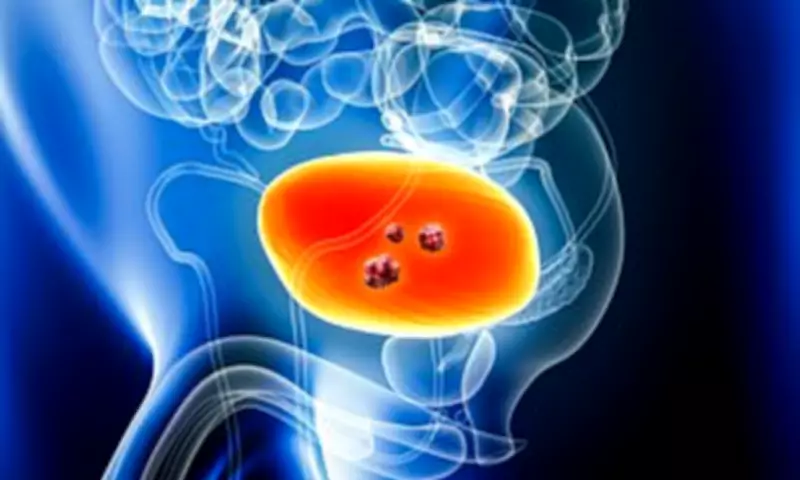
NHS Approves Groundbreaking Drug for Aggressive Bladder Cancer
Patients diagnosed with an aggressive form of bladder cancer are set to receive a significant boost in their survival prospects thanks to a newly approved drug on the NHS. Durvalumab, an immune-boosting medication, has been given the green light by the National Institute for Health and Care Excellence (NICE) following compelling clinical evidence.
Clinical Trial Results Show Substantial Benefits
A landmark trial involving more than 1,000 patients demonstrated that durvalumab can effectively halt the progression of muscle-invasive bladder cancer (MIBC). The study revealed a remarkable 32 per cent reduction in the risk of disease progression when compared to standard care protocols currently in use. This advancement is particularly crucial given the challenging nature of this cancer type.
Muscle-invasive bladder cancer represents a more advanced stage of the disease where cancer cells have penetrated deep into the muscle lining of the bladder organ. Approximately 18,000 individuals receive a bladder cancer diagnosis each year in the United Kingdom, with estimates suggesting that about one quarter of these cases involve the muscle-invasive form.

Understanding Muscle-Invasive Bladder Cancer
Common symptoms of MIBC include visible blood in the urine, persistent lower back or abdominal discomfort, and unexplained weight loss that cannot be attributed to dietary changes or other medical conditions. Despite existing treatment approaches, medical statistics indicate that approximately half of all patients experience either cancer recurrence or further disease progression within a five-year timeframe following initial diagnosis.
Bladder cancer currently ranks as the eleventh most common cancer across the United Kingdom overall, and it represents the seventh most frequently diagnosed cancer specifically among male patients. The approval of durvalumab therefore addresses a significant unmet medical need within the oncology community.
New Treatment Protocol and Patient Eligibility
Under the newly recommended treatment regimen, durvalumab will be administered alongside conventional chemotherapy before patients undergo radical cystectomy – the surgical procedure involving complete removal of the bladder. The drug therapy will then continue in the postoperative period to maximize therapeutic benefits and prevent potential recurrence.
Medical experts anticipate that approximately 630 patients annually will meet the eligibility criteria for this innovative treatment approach. The approval has been warmly welcomed by both clinical specialists and patient advocacy groups who recognize its potential to transform outcomes for those facing this challenging diagnosis.
Expert and Patient Advocacy Responses
Jeannie Rigby of Action Bladder Cancer UK emphasized the profound impact of this development, stating: 'Any cancer diagnosis has a profound impact – and a diagnosis of muscle-invasive bladder cancer can be truly life-changing for patients and their families. Access to innovative treatments that can genuinely improve survival rates and quality of life is absolutely crucial for those affected by this aggressive disease.'
Clinical practitioners who have utilized durvalumab as part of the trial phase have expressed optimism about the new standard of care. Dr. Syed Hussain, a professor of oncology at Sheffield Teaching Hospitals NHS Foundation Trust, commented: 'We are now observing a higher subset of patients achieving what we can genuinely describe as cure from this traditionally hard-to-treat cancer. I am absolutely delighted to see this therapeutic option has been made available for our patients through the NICE approval process.'
The integration of durvalumab into NHS treatment pathways represents a significant advancement in bladder cancer management, offering renewed hope for improved survival outcomes and enhanced quality of life for patients confronting this challenging diagnosis.