Living with an Invisible Cancer: The Agony of Waiting for Tumours to Grow
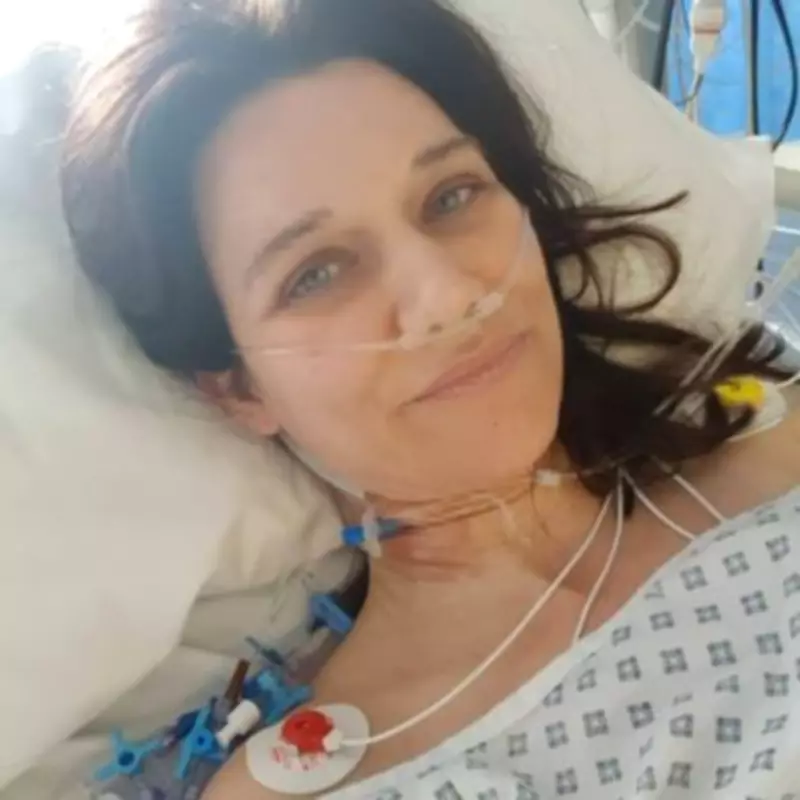
Kerie Ivory faces a medical paradox that defines her daily existence. The 52-year-old mother from Buckinghamshire has been diagnosed with small bowel neuroendocrine tumours that have metastasized to her lymph nodes, liver, spine, and rib. Yet, in a cruel twist of medical reality, she has been informed that she must wait for these tumours to grow larger before any further treatment can commence.
The Devastating Diagnosis of a Slow-Growing Disease
Neuroendocrine tumours are frequently characterized as slow-growing and notoriously difficult to detect. This insidious nature means patients can unknowingly live with them for years before receiving a definitive diagnosis. For Kerie, doctors estimate she may have been living with the cancer for approximately four to four and a half years before it was finally discovered in 2012.
"It's hard living with a slow-growing, creeping cancer," Kerie explained. "I am constantly waiting for the tumours to grow big enough to get treatment that is appropriate for me. It's devastating knowing I have cancer and we are not treating it. A lot of other cancers have the kitchen sink of treatments thrown at their cancer. I'm forced to live with this disease rather than eradicate it."

A Long and Frustrating Path to Discovery
Kerie's journey to diagnosis was marked by persistent symptoms and repeated misdiagnoses. Her initial symptom was a stubborn cough that medical professionals variously attributed to rhinitis, asthma, reflux, and post-nasal drip. Despite numerous visits to her GP, she was consistently assured that cancer was not the cause.
As her health deteriorated, blood tests eventually revealed she was anaemic. Her condition continued to worsen, with severe bowel symptoms emerging that led to a diagnosis of irritable bowel syndrome. The turning point came when she was finally referred for a colonoscopy.
"I kept going back and forth to my GP, who dismissed my symptoms," Kerie recalled. "By then I was so fatigued I was on my knees. I had to choose whether to eat or have a shower. When they found I was anaemic, I wasn't convinced this was the only thing wrong with me. I thought, 'I am a healthy young woman, this cannot be it.'"
The Physical Transformation and Eventual Discovery
Kerie's bowel symptoms intensified dramatically, presenting a visible daily change that became impossible to ignore. "My stomach would be flat in the morning, then over the day it would balloon. I looked five months pregnant by the evening," she described.
The colonoscopy finally provided answers, though not the kind anyone hopes for. The scope could not pass through due to a tumour obstructing her ileocecal valve. "It was a relief to know that something had finally been found," Kerie admitted. Subsequent MRI scans revealed the presence of enlarged lymph nodes, confirming the spread of the disease.
Major Surgeries and Ongoing Battles
Since her diagnosis, Kerie has endured multiple major surgical procedures. These have included the removal of:
- Affected lymph nodes
- Sections of her small and large intestine
- Her ileocecal valve and appendix
- Part of her liver
- Her gall bladder
Despite these extensive interventions, recent scans have delivered disheartening news: new lesions have appeared in her liver, spine, and rib. Her current reality involves enduring regular scans while hoping the cancer does not suddenly accelerate its growth.
The Personal Toll and Daily Limitations
In 2022, Kerie faced the heartbreaking necessity of giving up work due to the crippling fatigue caused by her cancer. "I have to prepare myself for more scans and wait to see if these lesions grow," she said. "I cannot relax knowing there are new tumours forming. I also have to limit what I do every day. Sometimes it may only be one thing in a day. It can catch me unawares, too."

This limitation extends to seemingly simple pleasures. "I went to a spa recently with a group of girlfriends and we all went to the swimming pool but I didn't put my head under water, because if I get my hair wet it means having to wash my hair which will be exhausting for me. It's these little things people take for granted," she shared.
Family Impact and Emotional Burden
The emotional weight of Kerie's condition extends to her family, particularly her children. "My children have found it hard to accept," she revealed. "They understand it's never going away and that at times it will grow and need treatment."
Kerie's story illuminates the challenging reality faced by patients with neuroendocrine tumours and other so-called 'invisible' diseases. It highlights the psychological burden of monitoring a cancer that cannot yet be treated, the physical limitations imposed by fatigue, and the complex emotional landscape for both patients and their families navigating an uncertain medical future.