Mother's Six-Year Chemotherapy Ordeal Revealed as Medically Unnecessary
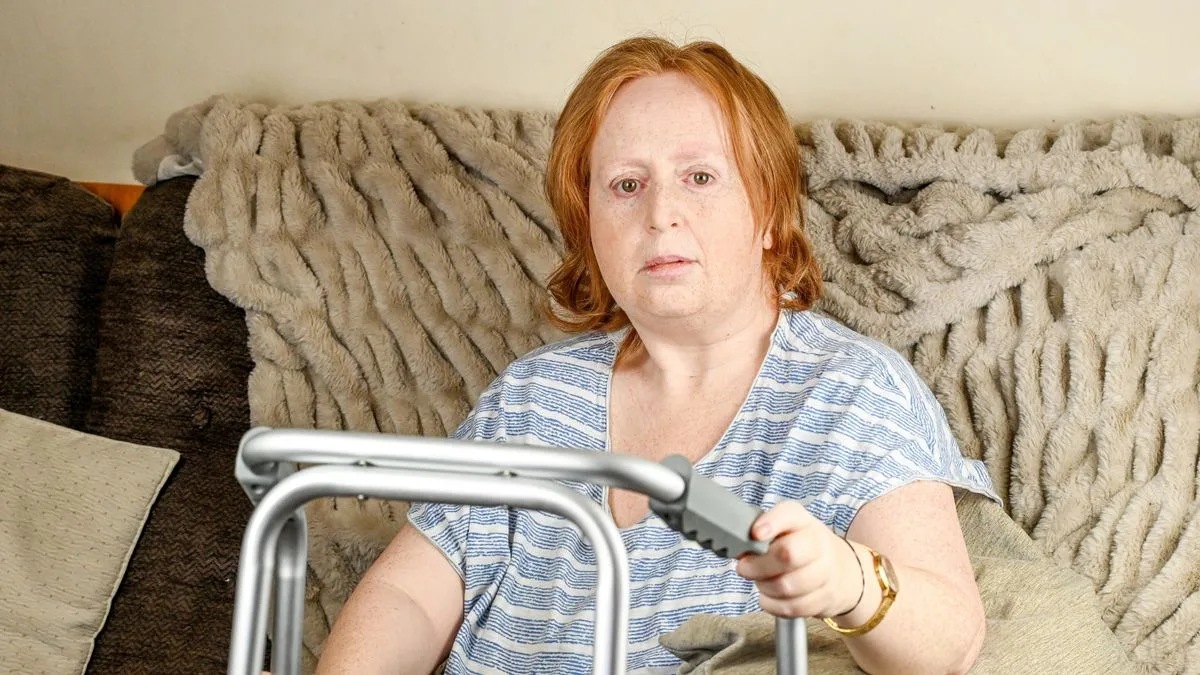
A 45-year-old mother from Bromsgrove is taking legal action against the NHS after enduring six-and-a-half years of chemotherapy treatment that medical guidelines indicate should have lasted just six months. Samantha Smith's prolonged ordeal has sparked an independent review and raised serious questions about patient safety protocols within the health service.
Decade-Long Treatment Based on Flawed Medical Advice
Samantha Smith, a mother-of-three from Bromsgrove in Worcestershire, was diagnosed with a brain tumour in May 2014 while under the care of University Hospital Coventry. Following surgery that couldn't completely remove the tumour, she received intensive radiotherapy and was placed on long-term chemotherapy by consultant oncologist Professor Ian Brown.
Despite national guidelines clearly stating that patients should receive only six months of the chemotherapy drug temozolomide, Ms Smith continued the gruelling monthly treatment for an astonishing six-and-a-half years. The shocking truth only emerged after Professor Brown retired and a new consultant reviewed her case.
Life-Altering Consequences of Prolonged Treatment
"Undergoing chemotherapy is a gruelling process and I've been very unwell for the best part of a decade," Ms Smith revealed. "But I told myself it was all worth it to get better. So to find out that around six-and-a-half years of my treatment wasn't needed came as a huge shock."
The unnecessary treatment has left Ms Smith with devastating long-term health consequences including:
- Chronic fatigue that prevents her from working
- Severe dental decay and rotting teeth
- Early onset menopause
- Significant mobility issues affecting her right leg and shoulder
- Memory lapses and cognitive difficulties
- Increased susceptibility to infections
"I feel like that part of my life has been stolen from me," she said. "I spent so long unable to function properly and just getting by day-to-day. All I want to do now is get some answers and help make sure it doesn't happen to anyone else."
Systemic Failures and Wider Investigation
The University Hospitals Coventry and Warwickshire NHS Trust has admitted in correspondence that the extended chemotherapy course was "not in line with national guidelines" and was "not supported by scientific evidence." The trust has written to Ms Smith's partner Mark expressing regret for "the excessive treatment" and its profound impact on her quality of life.
An independent review has been commissioned by the hospital trust amid growing concerns that other patients may have experienced similar overtreatment. Professor Brown has been referred to the General Medical Council following revelations that another patient allegedly underwent more than 14 years of unnecessary chemotherapy.
New Safeguards Implemented Following Scandal
The NHS trust has implemented new protocols to prevent similar incidents, including:
- Stopping chemotherapy medication at six or twelve cycles as per guidelines
- Requiring additional input from clinicians, nurses and pharmacists
- Mandating comprehensive documentation of diagnosis and treatment plans
- Reviewing all patients receiving extended temozolomide treatment
Leanne Atkinson, the medical negligence lawyer at Irwin Mitchell representing Ms Smith, stated: "Samantha had every faith in what she was being advised so to be told that more than six years of medication administered to her was completely unnecessary has left her devastated. It's also deeply worrying to hear that Samantha's case doesn't appear to be an isolated one."
Ongoing Independent Review and NHS Response
The Royal College of Physicians has been commissioned to conduct an independent review of patients who received more than twelve cycles of adjuvant temozolomide between 2017 and 2023. A spokesperson for University Hospitals Coventry and Warwickshire NHS Trust emphasised their commitment to patient safety while acknowledging the complexity of treating high-grade brain tumours.
"National Institute for Health and Care Excellence guidelines recognise that clinicians can exercise professional judgement appropriate to individual circumstances when offering treatment to patients," the trust stated, while confirming the ongoing independent investigation into this serious treatment failure.