Pregnant Mum Left Paralyzed After Flu Vaccine, Gives Birth Naturally After Recovery
Mum Paralyzed After Flu Jab Gives Birth Naturally After Recovery

A pregnant mother from Wigan feared she might never walk again or hold her newborn baby after developing sudden paralysis following a routine flu vaccination. Jade Wareing, a 29-year-old cleaner, received the influenza vaccine in October 2025 while 22 weeks pregnant with her second child.

Initial Symptoms Misdiagnosed

Shortly after the injection, Jade experienced unusual numbness and soreness in her arm, which she initially dismissed as normal post-vaccination discomfort. "My arm started feeling really numb at first and was constantly sore for a good few days," she recalled. "It's never been like that when I've had the flu jab before."

When the symptoms persisted and she began experiencing pins and needles in her fingers, Jade consulted her GP, who diagnosed Carpal Tunnel Syndrome—a common condition during pregnancy. However, her condition rapidly deteriorated within days.

Rapid Progression to Paralysis

"Within three days I couldn't walk and I was losing complete sensation in my legs," Jade described. "I couldn't stand up. My partner and my mum were taking me to the toilet. It was hard because I was pregnant and carrying that weight."

Admitted to hospital on October 11, Jade received a shocking diagnosis: Guillain-Barré syndrome (GBS), a rare neurological disorder where the immune system attacks the peripheral nerves. At her worst, she could only move her head from side to side and was unable to speak, feeling "trapped" inside her own body.

Fear for Her Unborn Child

The situation became particularly distressing as Jade couldn't feel her baby moving. Medical staff initially warned she might require an emergency Caesarean section at 26 weeks and might never regain the ability to walk. "I was scared I wouldn't be able to hold my baby," she said. "You're trapped inside your own body and it all just happened so quickly."

Remarkable Recovery and Birth

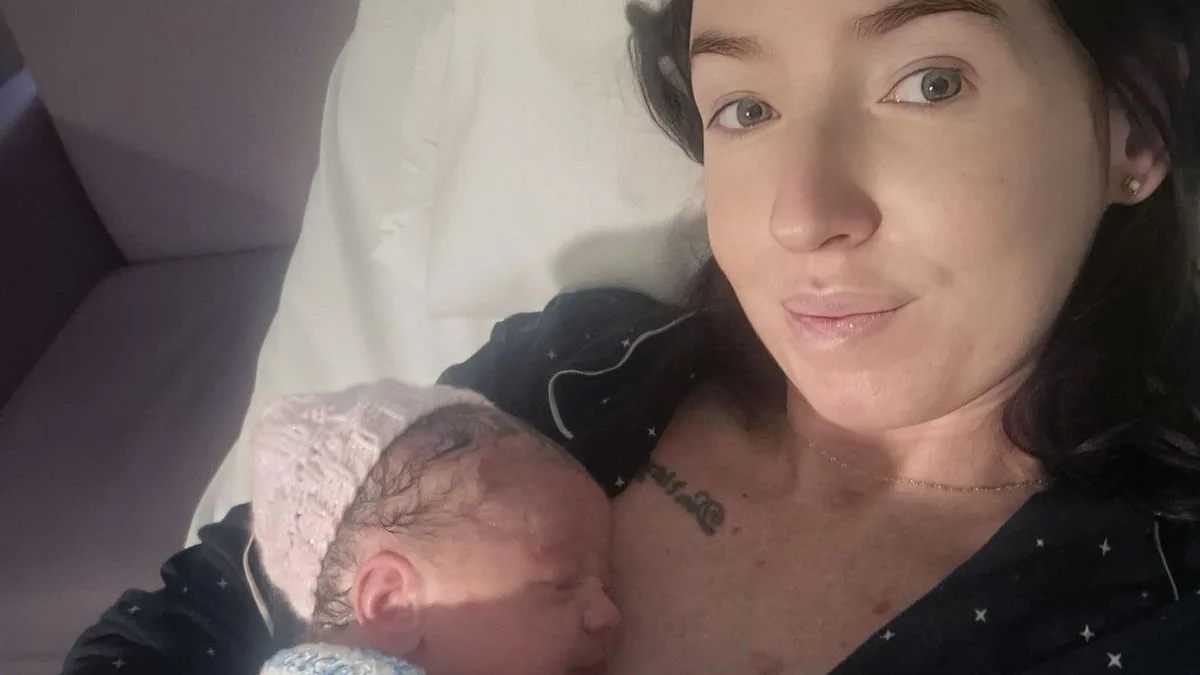
Through determined physiotherapy, Jade began regaining mobility. To everyone's relief, she gave birth naturally to her daughter, Emmy Rose Layland, on January 2. "It was amazing holding my daughter for the first time," she said. "I thought I wasn't going to be able to give birth naturally. I didn't think my body was going to be strong enough to even push."

Understanding the Rare Risk

GBS is typically triggered by infections like flu or stomach bugs, and Jade believes her flu vaccine might have initiated the condition. According to medical authorities, while there's a very small risk of GBS following flu vaccination—estimated at 1-2 additional cases per million vaccinations—the risk of developing GBS is actually higher after contracting natural influenza.

Inflammatory Neuropathies UK reports that for every million people receiving the flu vaccine, only about one case of GBS occurs. The charity emphasizes that the vaccine's protective benefits against influenza generally outweigh this minimal risk.

Ongoing Recovery and Warning

Jade continues her recovery with at-home physiotherapy, though she still experiences discomfort when walking and relies on medication to manage sensations in her feet. "The doctors just said I could always still have these sensations in my hands and feet and it may never go away," she explained. "It's a slow process but I can feel the change."

Now she urges others to trust their instincts when something feels wrong medically. "If you know and feel like something's not right, make sure you always get checked," Jade advised. "If it wasn't for my partner pushing me, I couldn't even imagine what would have happened."

Understanding Guillain-Barré Syndrome

GBS typically begins with tingling, numbness or pins and needles in the extremities, followed by muscle weakness and joint difficulties. Other symptoms can include:

  • Sharp, shooting pains in legs or back
  • Breathing difficulties
  • Problems with swallowing or speaking
  • Visual disturbances like double vision

While some cases progress to paralysis, most people regain the ability to walk within six months and recover substantially within a year. Jade's experience, while frightening and life-altering, represents an extremely rare vaccine reaction that medical professionals continue to monitor and study.




