Motorcycling as an Unexpected Path to Mindfulness
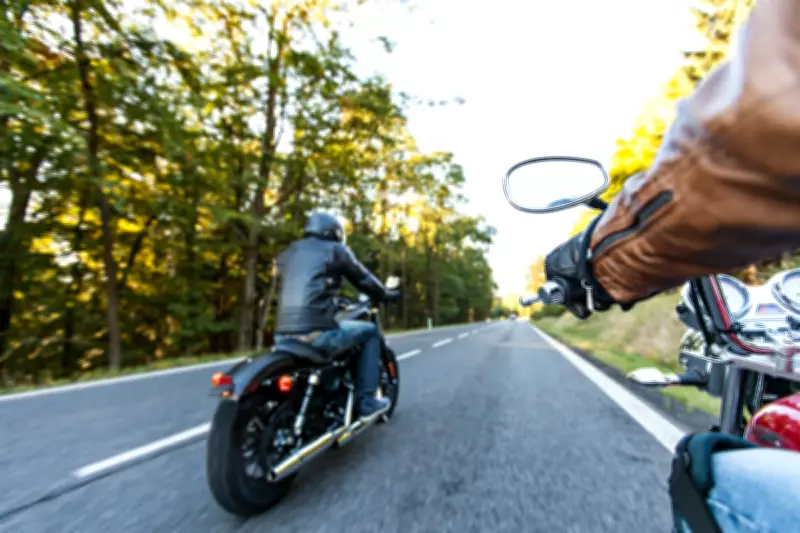
Speeding along an open road on a motorcycle, surrounded by the natural landscape, the engine's steady hum becomes a focal point that gradually silences the mental chatter. Riding demands complete presence in a way few other activities can match. This focus isn't merely beneficial—it's essential for safety, where a wandering mind could have serious consequences.
The Psychology of Focused Riding
As a clinical psychologist, I understand fear responses intimately. I recognise how danger typically activates the body's fight-or-flight mechanisms. Yet paradoxically, it's while riding my motorcycle that I experience profound calmness and what I would describe as genuine mindfulness. This isn't about fear sharpening attention but rather about the activity itself creating conditions for mental clarity.
Mindfulness traditionally involves paying deliberate attention to the present moment without judgment. In psychological therapy, this is usually cultivated through meditation practices where individuals sit quietly, focus on breathing, and observe thoughts and sensations as they arise. Research demonstrates that regular mindfulness practice activates brain regions involved in emotional regulation and focused attention, potentially improving emotional health while reducing symptoms of depression, anxiety, and stress.

Beyond Traditional Mindfulness Practices
While mindfulness has become increasingly popular across healthcare settings and digital platforms, it's important to recognise its limitations. Mindfulness isn't a cure for serious mental illness and cannot resolve structural problems like poverty or trauma. For some individuals, particularly those with trauma histories or certain mental health conditions, sitting quietly with their thoughts can be distressing rather than soothing.
This understanding highlights why broadening our perspective on attention, emotional regulation, and mental wellbeing is crucial. There's no universal approach that works for everyone, which makes exploring alternative pathways to mindfulness particularly valuable.
The Physical and Mental Demands of Riding
Motorcycling offers one such alternative pathway. The activity is both physically and mentally demanding. Physically, riders must manage heavy machines requiring strength and balance, particularly at slow speeds and during stops. Core muscles engage during manoeuvres while all limbs coordinate braking, clutch control, and gear changes.
Mentally, the demands are even more significant. Riders must maintain continuous alertness to road conditions, traffic patterns, weather changes, and the unpredictable actions of other road users. Decisions frequently need to be made within seconds—when to brake, when to accelerate, how to navigate bends, how to respond to unexpected hazards—all while knowing that protection is limited to clothing and gear.
Research Supporting Riding's Psychological Benefits
A study exploring motorcycling's mental and physical effects demonstrated improvements in focused attention, sensory awareness, and the ability to ignore distractions. Riders develop enhanced environmental scanning skills and better prediction abilities—a capability known as "situational awareness." Many riders report these benefits in their personal accounts of motorcycle experiences.
Perhaps most strikingly, despite motorcycling being a high-risk activity, research found reductions in stress hormones during riding. The proposed explanation suggests that the intense concentration required leaves minimal mental space for ruminating on everyday worries. Attention becomes fully captured by the immediate task, creating what psychologists might call "flow state" conditions.
Rethinking How We Achieve Mindfulness
Unlike traditional mindfulness practice, motorcycling doesn't require deliberate non-judgment of thoughts or sensations. There's no conscious effort to observe the mind—the activity itself performs this work. Similar effects have been observed in other high-demand pursuits like rock climbing and athletic performance.

Clinically, this distinction matters significantly. While traditional mindfulness practices may not be suitable or achievable for everyone, alternatives exist. Activities demanding full mental and physical engagement may offer comparable psychological benefits. Purposeful, absorbing activities can help regulate emotions, sharpen attention, and reduce stress over time.
For some individuals, stillness isn't the route to presence. Sometimes, mindfulness is discovered not through slowing down but through moving—fully, deliberately, and with purpose. The motorcycle becomes not just transportation but a vehicle for mental clarity.