Mother's Heartbreak as Son, 10, Faces Rare Genetic Disorder with No Cure
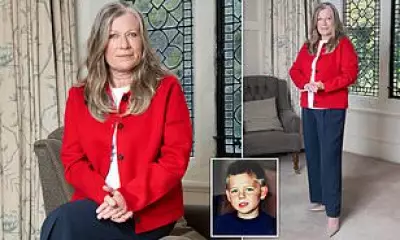
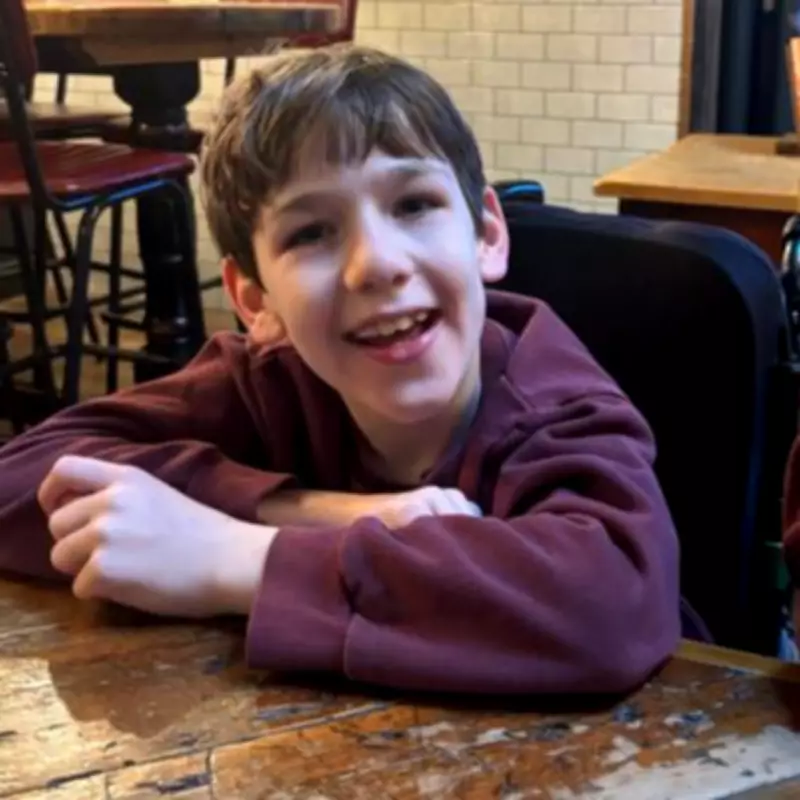
Amy Sheridan-Hill, a 46-year-old former teacher from Ware, Hertfordshire, has revealed the devastating news that her son Frankie, aged 10, is unlikely to survive past his teenage years due to a rare genetic condition. Frankie was diagnosed with H-ABC, an exceptionally rare form of leukodystrophy affecting specific brain regions, at just five years old in 2021, with doctors bluntly stating that nothing can be done.
Shocking Diagnosis and Early Signs
Frankie was born in 2015 following a straightforward pregnancy and planned C-section, with no apparent issues at birth. As a first-time mother, Amy admitted she was quite unaware of proper developmental stages, so when Frankie struggled to sit up like other children, she initially considered it nothing to worry about. However, by age two, he was still not walking independently—a milestone most toddlers reach by 18 months—prompting a doctor's visit and referral to a physiotherapist.
Initially, Frankie was thought to have hypermobility, characterised by extremely flexible joints. But when he remained unable to walk by age four, a physiotherapist noticed a peculiar foot movement that suggested cerebral palsy, leading to a neurologist referral. After an MRI and genetic testing, Frankie received his H-ABC diagnosis, which Amy described as a massive shock that turned their world upside down completely.

The Rarity of H-ABC and Lack of Treatment
According to the H-ABC Foundation UK, fewer than 200 documented cases of H-ABC have been identified globally as of 2019, with the majority being children, though numbers are rising due to better clinical diagnoses. Amy expressed her disbelief at being told nothing can be done, stating, "When you go to a doctor, you expect to be told what can be done. So I think to be told 'nothing can be done' is quite a shock." She added that the diagnosis left her with PTSD, as it essentially meant Frankie would die, and Googling leukodystrophy only showed worst-case scenarios, including children dying within two years.
By the time of diagnosis, Frankie was lagging behind peers developmentally, not only in walking but also in speech and reading. In response, Amy turned to online resources, joining a Facebook group for H-ABC with less than 100 worldwide members. There, she connected with Michelle Teng from Oxford and Ali Candy-Waters from the Cotswolds, leading to a Zoom call and the establishment of the H-ABC Foundation UK charity to raise awareness.
Building Hope Through Charity and Research
"I think having mums who are going through what you're going through is just really helpful," Amy said, noting they text constantly and share experiences like the guilt of not using a stander daily. The charity has funded research through marathons and school bake sales, while also supporting families with wheelchairs or iPads for non-verbal communication. Notably, Michelle co-founded SynaptixBio, an Oxford-based company that has selected a candidate drug for clinical trials to treat H-ABC, potentially starting within the next year or two.
While not a complete cure, the drug could hold the disease to stop children from losing more skills. Currently, no known cure exists, but treatments like physiotherapy, medications, Botox injections for leg muscles, and aids like leg splints and walkers help ease symptoms. Amy's priority is keeping Frankie as strong as possible for a better starting point if he qualifies for the trial, though if not, access to life-changing medication might be delayed for years.
Frankie's Daily Life and Family Support
Frankie loves spending time with his protective and kind younger brother Rory, eight, and attending a mainstream school where amazing teachers and classmates look after him. "When they do assemblies, they make Frankie the centre of things and they always make sure he's really involved in everything," Amy said, praising the specialised curriculum for his delays. She described Frankie as a very happy child who can read, play PlayStation, and use his iPad, adding that if the disease could be kept static, he would have a great life.

Amy hopes to raise awareness because there are likely more undiagnosed cases, and families need to know that charities and scientists are working on treatments. "Now we can tell them where we are and that gives them hope, whereas when Frankie was diagnosed, there wasn't that hope. So we've had to create that hope and now we can share it with other families," she concluded, emphasising the importance of support and research in facing this rare disorder.