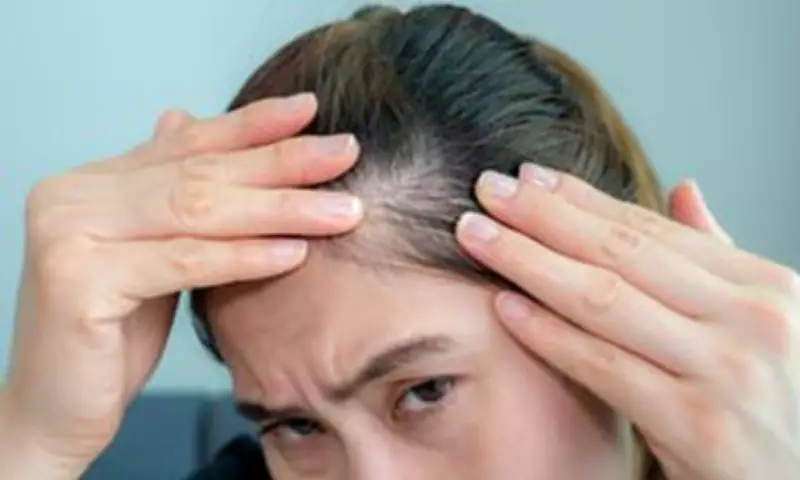
Groundbreaking research has revealed that more than half of all women experience noticeable hair loss or significant scalp problems during the menopause transition. A comprehensive new survey highlights that common symptoms during this mid-life hormonal shift include substantial hair shedding alongside persistent itchy or flaky scalp conditions.
Hormonal Changes Drive Scalp and Hair Issues
These important findings, published just last week, strongly support existing research demonstrating that menopause frequently leads to marked reductions in both moisture and natural oil production across the skin and scalp. The menopause occurs when production of crucial female sex hormones—particularly oestrogen and progesterone—begins its inevitable decline, typically starting between ages 45 and 55, with the average onset at age 51 within the United Kingdom.
Survey Uncovers Widespread Problems
The revealing survey, conducted by the established coal-tar shampoo brand Polytar, discovered that a striking 53 percent of menopausal women questioned reported experiencing measurable hair loss. Furthermore, the research indicated that approximately one-fifth of premenopausal women regularly encounter hair and scalp problems specifically during their menstrual periods.

'Hormonal fluctuations across the entire menstrual cycle can exert a direct and powerful impact on overall scalp health,' explains Ruth Collis, a respected hair-loss expert based in Sussex. 'These significant hormonal shifts critically influence oil production, skin-cell turnover rates, and the scalp's inflammatory response mechanisms, which explains why many women notice pronounced flaking, persistent itchiness, and various other scalp issues at consistent points within their monthly cycles.'
Beyond Hair: Comprehensive Menopause Symptoms
While hot flushes, night sweats, mood disturbances, and sleeping difficulties remain the most commonly recognized menopause symptoms, many patients also experience uncomfortable vaginal dryness, which frequently leads to discomfort during sexual activity. Regarding scalp-specific changes, Collis adds: 'During menopause, the long-term reduction in oestrogen levels can result in substantially increased dryness, heightened sensitivity, and ongoing irritation across the scalp region.'
Growing Awareness and Search Trends
These findings emerge alongside a noticeable increase in women apparently suffering from hair loss concerns. According to detailed Google search data analysis, the number of online searches for specific terms like 'hair loss' and 'hair thinning' among women has more than doubled since 2021, indicating rising awareness and concern.
Potential Management Strategies
Medical experts emphasize that hormone replacement therapy (HRT) can help mitigate some of these challenging changes. Additionally, maintaining a consistently healthy, balanced diet and incorporating appropriate vitamin supplements may provide supportive benefits for hair and scalp health during the menopausal transition and beyond.