Meningitis B Vaccine Rollout Commences at University of Kent Following Tragic Outbreak
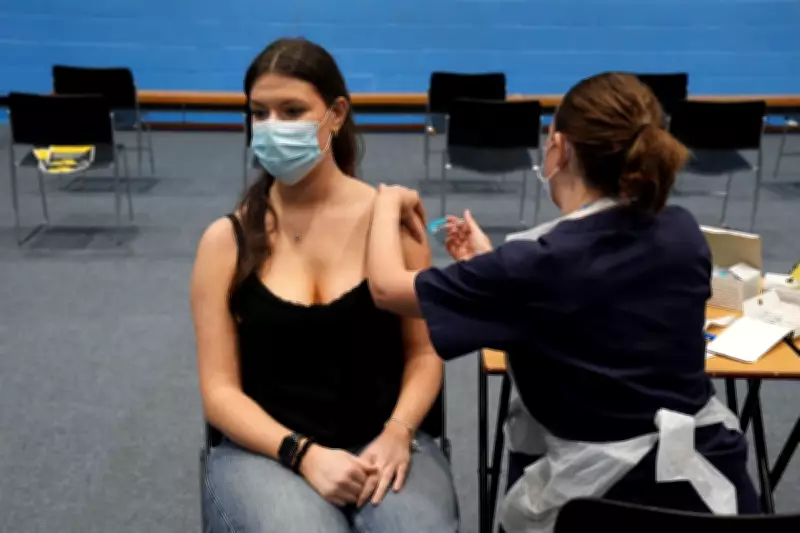
Health authorities have initiated an urgent meningitis B vaccination programme at the University of Kent's Canterbury campus after a devastating outbreak resulted in the deaths of two young individuals. The rollout aims to contain the spread of the disease and protect the student community, with officials working diligently to safeguard public health.
Vaccination Details and Timeline
Approximately 5,000 students are being offered the Bexsero vaccine, which targets up to 80% of meningitis B strains, alongside courses of antibiotics as a precautionary measure. According to a letter seen by the Press Association, the vaccine will be available to eligible students on campus throughout the week. Protection begins around two weeks after the first dose, but full immunity requires two doses spaced at least four weeks apart.
Professor Adam Finn from the University of Bristol noted that while the vaccine will significantly enhance immunity over the coming months and years, it may not provide immediate relief during the current outbreak. The combination of vaccination and antibiotics is intended as an additional safety step.

Protection Duration and Health Measures
After completing the two-dose course, protection can last for years, with some experts estimating up to 36 months. To curb the spread, the UK Health Security Agency (UKHSA) has distributed over 2,500 doses of antibiotics to students and close contacts. GPs nationwide have been advised to prescribe antibiotics to individuals who visited Club Chemistry in Canterbury between March 5-7 and to University of Kent students seeking preventative treatment.
Background on Vaccination and Risk Factors
The meningitis B vaccine was introduced on the NHS in 2015, meaning many students born before that date may not have received it unless they paid privately. It is routinely recommended for babies, with doses at eight weeks, 12 weeks, and a booster at one year. Other childhood vaccines, such as the 6-in-1 and pneumococcal jabs, also offer some protection against meningitis.
Young people, particularly those aged 15 to 19, are at higher risk because one in four carries meningococcal bacteria in their throats, compared to one in ten in the general population. Increased social interaction, cramped living conditions in university halls, and global student mobility contribute to this vulnerability.
Outreach and Future Spread Concerns
For students who have left campus and returned home, arrangements are being developed to allow them to receive the vaccine through their GP. Currently, there are no plans for a widespread catch-up campaign, as the Joint Committee on Vaccination and Immunisation (JCVI) does not recommend routine menB boosters for teenagers and young adults.
Experts believe the likelihood of further spread is low, as transmission requires close, prolonged contact like living together or intimate activities. Professor Paul Hunter from the University of East Anglia stated that without data on the strain's prevalence, it's difficult to predict, but wider spread remains unlikely. No travel restrictions are advised, and students planning to go home for Easter should proceed as normal.
Symptoms and Action Steps
Symptoms of meningitis and sepsis include high fever, cold extremities, vomiting, confusion, muscle pain, blotchy skin, rash, headache, neck stiffness, light sensitivity, drowsiness, and seizures. The UKHSA urges anyone experiencing these symptoms to contact their GP or call NHS 111 immediately for medical assistance.