University Meningitis Outbreak Triggers Emergency Vaccination Drive
Health authorities have launched an urgent meningitis B vaccination programme targeting approximately 5,000 students at the University of Kent in Canterbury. This emergency response comes after two students tragically died and health officials confirmed they are investigating 20 cases connected to the outbreak.
Unprecedented Spread Prompts Swift Action
The University of Kent, working in partnership with the UK Health Security Agency (UKHSA), began administering vaccines on Wednesday. The institution is simultaneously distributing thousands of antibiotic doses to students and staff members as preventative treatment. This coordinated effort follows what experts describe as an unprecedented cluster of meningitis cases appearing within an exceptionally short timeframe.
Professor Susan Hopkins, Chief Executive of UKHSA, emphasized the unusual nature of this outbreak, stating: "In my 35 years working in medicine and healthcare, this is the most cases I've seen in a single weekend with this type of infection. The explosive nature is unprecedented here—the number of cases in such a short space of time."

Nightclub Connection and National Response
Health officials have identified a clear connection between the outbreak and Club Chemistry in Canterbury, where many affected individuals socialized between March 5th and 7th. In response, GPs across the country have received instructions to prescribe antibiotics to:
- Anyone who visited Club Chemistry during those critical dates
- University of Kent students who may have traveled away from campus
This nationwide directive ensures that individuals who have left the Canterbury area can still access crucial preventative treatment through their local healthcare providers. So far, over 2,500 antibiotic doses have been administered to students, close contacts, and nightclub attendees.
Vaccination Logistics and Student Concerns
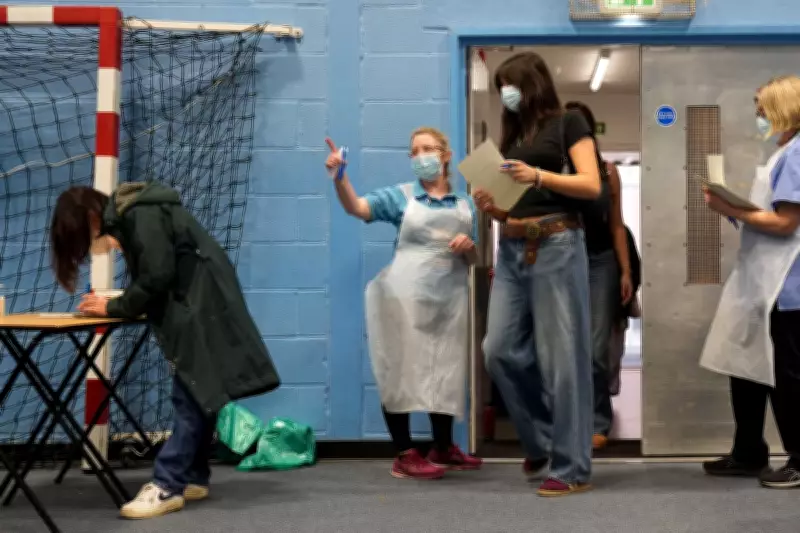
On the Canterbury campus, the university has converted a sports hall into a vaccination center with at least fifteen individual stations. Medical staff wearing protective equipment stood ready to administer the first wave of meningitis B vaccines as the programme commenced.
However, significant questions remain about students who have already departed campus following the outbreak announcement. Sophie, an architecture student who lives off-campus, expressed confusion about the vaccination process: "I think people that live in on-campus accommodation are going to get them, but we live off campus so we are really not sure."
She described how the student community has been affected: "It's so quiet now, most of our friends have gone home, it's weird. We are the only two left in our house and we're both going home today."
Confirmed Cases and Strain Analysis
Of the twenty cases currently under investigation by health officials:
- Nine have received laboratory confirmation
- Eleven remain under active investigation
- Six confirmed cases involve the meningitis B strain specifically
Laboratory scientists are conducting urgent whole genome sequencing to determine if a mutant strain of meningitis B might be responsible for the rapid spread. These tests will also evaluate how effectively available vaccines combat this particular strain.
Political Response and Public Reassurance
During Prime Minister's Questions, Labour leader Sir Keir Starmer extended condolences: "Our deepest condolences are with the families and friends of the two young people who have died following the outbreak of meningitis B in Kent. Others are seriously ill. This will be a deeply difficult time for their loved ones."
Health Secretary Wes Streeting addressed public concerns on BBC Breakfast, explaining the unusual response: "What's worried us about the Canterbury outbreak is the pace and extent of the spread of the disease. That is unprecedented, and that's why we are being so proactive in the provision of antibiotics, because they're an effective treatment, but also standing up vaccination at a pace and in a way that we wouldn't normally do."

Streeting emphasized that the disease primarily spreads through close personal contact such as kissing, sharing drinks, or sharing vaping devices, and reassured that students who have returned home pose minimal risk of spreading the infection to other communities.
Vaccine Availability and Private Sector Impact
Despite UKHSA assurances of sufficient NHS vaccine stocks, private pharmacies have reported unprecedented demand. Boots has implemented a virtual queuing system for its website due to high demand for private meningitis B vaccinations, while Superdrug has created a waiting list and noted a national shortage of the jab for private customers.
Health Secretary Streeting acknowledged this private sector pressure but reiterated: "I understood why people would want to access vaccines privately but people do not need to, adding there was plenty of NHS stock for those who have been told they need a jab."
International Dimensions and Containment
All reported cases maintain connections to Kent, though one affected individual received treatment at a London hospital. UKHSA confirmed this person had "no community contacts in London," suggesting minimal risk of spread within the capital.
Internationally, French authorities reported one person hospitalized with meningitis after returning from England, now in stable condition. The French Ministry of Health confirmed no additional cases linked to the Kent outbreak have emerged in France.
As the vaccination programme continues, health officials anticipate additional cases may emerge due to the infection's incubation period of two to fourteen days. The university has committed to maintaining its "ongoing commitment to offer a swift response and reassurance to support Kent students at this difficult time."