Major Meningitis B Outbreak at University of Kent Triggers Emergency Response
Charity Meningitis Now has declared the current surge in meningitis cases at the University of Kent as the most significant outbreak in the United Kingdom since the 1980s. This alarming situation has already claimed two young lives, with at least twenty additional individuals confirmed as infected. In response, thousands of anxious students from the university, identified as the epicentre of the outbreak, have been administered antibiotics as a precautionary measure.
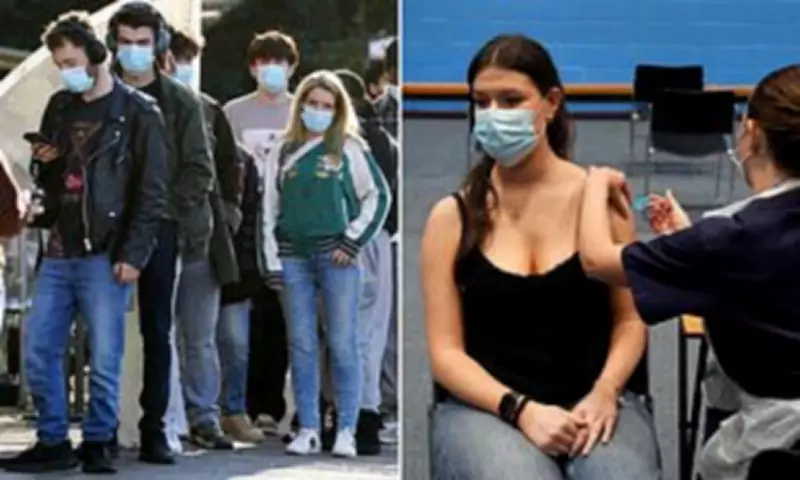
An urgent vaccination programme commenced on Wednesday, aiming to immunise approximately 5,000 students against meningitis B, the specific bacterial strain believed responsible for the confirmed cases. Students were observed queuing at the university's sports hall to receive their injections as part of this critical public health initiative.
Understanding Meningitis B: A Serious Bacterial Infection
Meningitis B is a severe infection caused by the Neisseria meningitidis group B bacteria, which attacks the meninges—the protective membranes surrounding the brain and spinal cord. It is one of several strains of bacterial meningitis, alongside types A, C, W, and Y, and differs from the typically less severe viral form of the disease.

Recognising the Symptoms: A Matter of Urgency
Symptoms of meningitis B can be deceptive, often mimicking common illnesses like colds or flu. The National Health Service emphasises that key warning signs include:
- A sudden high fever
- A severe headache that rapidly intensifies
- A stiff neck
- Vomiting and diarrhoea
- Photophobia, or a dislike of bright lights
As the infection advances, it may lead to extremely cold hands and feet, shivering, intense joint and muscle pain, delirium, and seizures. Medical professionals stress that individuals should not wait for the classic meningitis rash to appear before seeking help, as this symptom indicates the infection has already spread from the brain into the bloodstream.
The NHS advises: "Trust your instincts and do not wait for all symptoms to appear or for a rash to develop. Someone with meningitis can deteriorate very quickly."
How Meningitis B Affects the Body and Who Is Most Vulnerable
The greatest danger arises when the bacteria enter the bloodstream, potentially triggering deadly sepsis. This condition causes an extreme immune system overreaction, leading to blood clots, a dramatic drop in blood pressure, and rapid organ failure. Survivors may face long-term consequences such as hearing loss, memory impairment, or in severe cases, limb amputation. Treatment typically involves intravenous antibiotics, oxygen therapy, and steroids to reduce brain swelling.
Approximately one in five individuals carries the meningococcal bacteria harmlessly at the back of their throat. However, certain groups with less mature immune systems are at heightened risk, including babies, children under five, teenagers, and young adults. Research indicates that genetic factors may also influence susceptibility to infection.
Potential Causes Behind the Kent Outbreak
Experts are investigating whether a slightly altered strain of the bacteria or reduced natural immunity due to COVID-19 lockdowns may be contributing factors. Professor Adam Finn of Bristol University suggested that prolonged pandemic restrictions might have limited young adults' exposure to the bacteria, thereby decreasing their naturally acquired immunity. Unverified social media speculation linking the outbreak to increased rates in Russia remains unsubstantiated.
Transmission Risks and Vaccination Availability
Meningitis B spreads through inhaling infected droplets or direct saliva contact, such as kissing or sharing items like vapes or utensils. However, it is significantly less transmissible than influenza or COVID-19. Since 2015, the UK has offered a MenB vaccine to babies in three doses, which reduces the risk of severe illness but does not prevent all subtypes or stop bacterial spread.

The Joint Committee on Vaccination and Immunisation has previously excluded teenagers from the national programme, citing cost-effectiveness concerns due to low case numbers. Following the outbreak, demand for private vaccines, costing around £200 or more, has surged. It is important to note that the vaccine requires several weeks to become fully effective, meaning recently vaccinated students may still be vulnerable during the current outbreak.