Understanding Measles: Symptoms, Vaccine Duration and Global Outbreak Context
As measles outbreaks surge across every region of the world, health experts are addressing critical questions about this highly contagious virus. The World Health Organization has recently warned that the UK is no longer considered to have "eliminated" measles, highlighting the renewed public health threat. This resurgence underscores the urgent need for clear information about measles symptoms, vaccine effectiveness, and transmission risks.
Global Measles Outbreak Situation
Measles outbreaks are currently occurring worldwide, with Australia experiencing a significant increase in cases. By May 1, 2025, Australia had recorded 70 measles cases, surpassing the total numbers for both 2023 (26 cases) and 2024 (57 cases). While Australia eliminated local transmission in 2014, recent infections have occurred in Australians who haven't travelled overseas, indicating community transmission has resumed.
Most Australian cases are diagnosed in travellers returning from overseas, particularly from popular holiday destinations in Southeast Asia. However, the concerning trend of local transmission highlights how vulnerable populations remain when vaccination rates decline.

What Exactly Is Measles?
Measles ranks among the most contagious diseases affecting humans, with each infected person capable of transmitting the virus to 12-18 others who lack immunity. The measles virus can survive in the air for up to two hours, meaning people can inhale the virus even after an infected person has left a room.
This virus predominantly affects children and individuals with compromised immune systems. Hospitalisation rates are alarmingly high, with up to four in ten measles patients requiring hospital care. Tragically, up to three in 1,000 people who contract measles will die from the disease. In 2023 alone, measles caused more than 100,000 deaths worldwide.
Recognising Measles Symptoms
Measles symptoms typically appear 7-14 days after exposure to the virus. The characteristic signs include:
- A distinctive rash that usually begins on the face or neck before spreading over three days to eventually reach the hands and feet
- High fever
- Runny nose
- Persistent cough
- Conjunctivitis (red, inflamed eyes)
On darker skin tones, the rash may be less visible, making diagnosis more challenging. Complications from measles are unfortunately common and can include ear infections, encephalitis (brain swelling), blindness, and breathing problems or pneumonia. Children face higher risks of these complications.
Pregnant women are particularly vulnerable, facing greater risks of serious complications, preterm labour, and stillbirth. Even after recovery, a rare and often fatal brain condition called subacute sclerosing panencephalitis can develop many years later.
Measles Versus Chickenpox: Key Differences
While both measles and chickenpox commonly affect children and have available vaccines, they are caused by different viruses. Chickenpox results from the varicella zoster virus, also transmitted through the air, causing fever, rash, and rare but serious complications.
The chickenpox rash differs significantly from measles rash, typically starting on the chest or back as separate red bumps that evolve into fluid-filled blisters called vesicles. Chickenpox can reappear later in life as shingles, whereas measles generally provides lifelong immunity after infection.
Can You Contract Measles More Than Once?
Generally, no. Contracting measles typically confers lifelong immunity. In Australia, people born before 1966 likely experienced measles infection during childhood before vaccines became available, providing them with natural protection.
However, measles infection can weaken the immune system's ability to recognise previously encountered infections, leaving individuals vulnerable to diseases they once had immunity against. Vaccination offers protection against this immune system compromise.
Understanding the Measles Vaccine
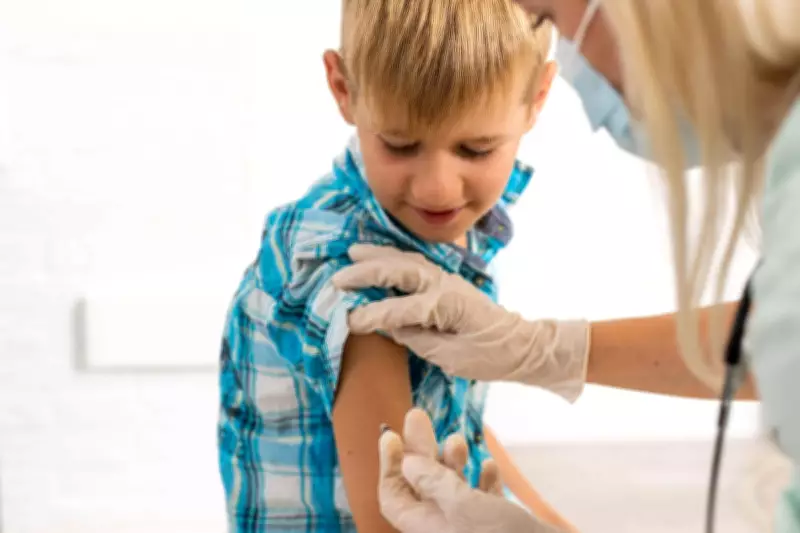
The measles vaccine contains a live but weakened version of the measles virus. In Australia, measles vaccinations are administered as part of combination vaccines: the MMR vaccine (measles, mumps, rubella) and the MMRV vaccine (measles, mumps, rubella, chickenpox).

Under Australia's national immunisation program, children receive measles vaccines at 12 months (MMR) and 18 months (MMRV). Other countries may have different vaccination schedules, but all recommend at least two doses for optimal immunity.
Measles vaccines can be administered earlier than 12 months—from as early as six months—to protect infants at higher risk of exposure, such as those travelling overseas. Infants receiving early doses still require the standard two recommended doses at 12 and 18 months.
How Long Does Measles Vaccine Protection Last?
The measles vaccine stands as one of our most effective vaccines. After two doses, approximately 99% of people achieve lifelong protection against measles. Beyond individual protection, the vaccine also prevents transmission to others, creating crucial herd immunity that protects vulnerable populations who cannot receive the vaccine.
Australians born between 1966 and 1994 (roughly ages 20-60) face greater measles risk, as the second vaccine dose was only recommended from November 1992. Australia is witnessing breakthrough measles infections within this age group.
Additional measles vaccines can be administered to these adults at any time. Receiving an extra dose is safe even for previously vaccinated individuals. Those uncertain about their vaccination status should consult their GP, who can check measles immunity or immunisation records.
Important considerations: The measles vaccine is a live vaccine, making it unsafe for people with weakened immune systems (due to certain medical conditions) or pregnant women. This underscores why healthy, eligible individuals must receive vaccination to protect both themselves and vulnerable community members.