Measles Elimination Status Revoked as UK Faces Major Resurgence
The United Kingdom has suffered a significant public health setback as the World Health Organization officially revoked its measles elimination status. This decisive action follows confirmation that the highly contagious virus has been spreading continuously across the country for more than twelve consecutive months. The development marks a troubling reversal for a nation that had previously achieved and maintained measles-free certification.
A Troubling Timeline of Elimination and Resurgence
Britain initially earned its measles-free designation from the WHO in 2017, only to lose this hard-won status two years later. After concerted public health efforts, the UK managed to reclaim its elimination standing in 2021. However, experts now acknowledge that this achievement was largely sustained by pandemic-era social distancing measures rather than robust vaccination coverage. The protective effect of these restrictions faded as normal social interactions resumed, creating conditions for the virus to regain its foothold.
Measles outbreaks began emerging across England in 2023 and escalated dramatically throughout 2024. Official figures reveal that England recorded 2,911 laboratory-confirmed measles cases in 2024 alone—the highest annual total since 2012. Based on this compelling evidence, both the World Health Organization and the UK Health Security Agency confirmed that measles had re-established endemic transmission within the country, directly leading to the revocation of the UK's elimination status.

Current Case Numbers and Geographic Hotspots
Although measles cases have declined from their 2024 peak, infection numbers remain worryingly elevated across multiple regions. Since the beginning of 2025, England has reported 957 laboratory-confirmed measles cases, with the majority occurring among unvaccinated children under ten years old.
UKHSA data reveals distinct geographic patterns in the outbreak:
- Birmingham has recorded more measles cases than any other location since 2023, with 534 laboratory-confirmed infections. This includes 364 cases during 2024 when the city served as the outbreak's epicenter, plus 52 cases last year.
- Multiple London boroughs have experienced significant outbreaks over the past three years, with doctors confirming 178 cases in Lambeth (all during 2024), 164 in Wandsworth (including 12 last year), and 152 in Hackney (with most occurring in 2025).
- Beyond the major urban centers, concerning numbers have emerged in Leicester (124 confirmed cases over three years), Leeds (108 cases), Herefordshire (102 cases), and Bristol (100 cases).
Vaccination Rates Hit Decade-Low Levels
This measles resurgence coincides with vaccination coverage dropping to its lowest point in a decade across England. By summer 2025, only 91.8% of five-year-olds in England had received their first MMR vaccine dose, while just 83.7% were fully protected with both required doses. The World Health Organization emphasizes that 95% vaccine coverage is necessary to achieve herd immunity and prevent community transmission.
In some outbreak epicenters, immunization rates have fallen alarmingly below even these national averages:
- In Birmingham, where the 2024 outbreak was most severe, only 75.5% of five-year-olds had received both MMR doses.
- In Hackney, London, which recorded the highest number of cases in 2025 (133 infections), a mere 58.3% of children were fully vaccinated by their fifth birthday.
Expert Warnings and NHS Response
Dr Vanessa Saliba, Consultant Epidemiologist at UKHSA, provided stark commentary on the situation: "Infections can return quickly when childhood vaccine uptake falls; measles elimination is only possible if all eligible children receive two MMR doses before school." She emphasized the urgent need to catch up older children and adults who missed vaccinations during their childhood.
The NHS has implemented measures to make vaccination more accessible, including offering the second MMR dose earlier at a new 18-month appointment. This strategic adjustment aims to boost uptake and support the restoration of elimination goals.

Understanding Measles Risks and Symptoms
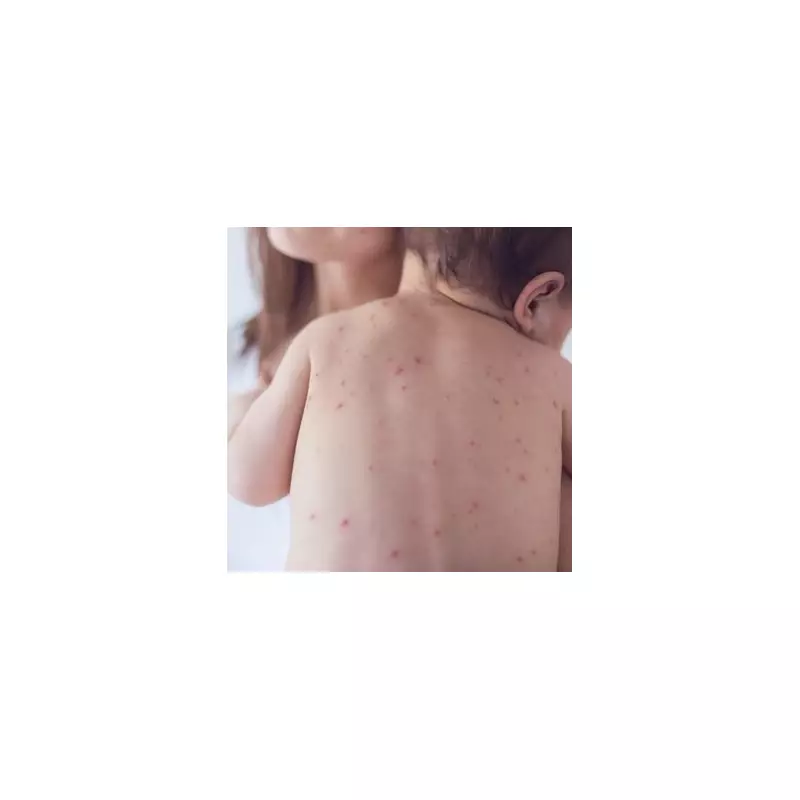
Measles presents with distinctive symptoms including high fever, coughing, sneezing, red and sore watery eyes, followed by a characteristic rash that typically emerges several days after initial symptoms appear. While the illness generally begins to improve after approximately one week, it can lead to serious complications if the virus spreads to other body systems such as the lungs or brain.
Infants and individuals with compromised immune systems face particularly heightened risks from measles infection. The disease remains potentially deadly, especially for vulnerable populations who cannot receive vaccination or who have inadequate immune protection.
Public health officials continue to monitor the situation closely as they work to reverse the declining vaccination trends and contain the ongoing measles transmission across the United Kingdom.