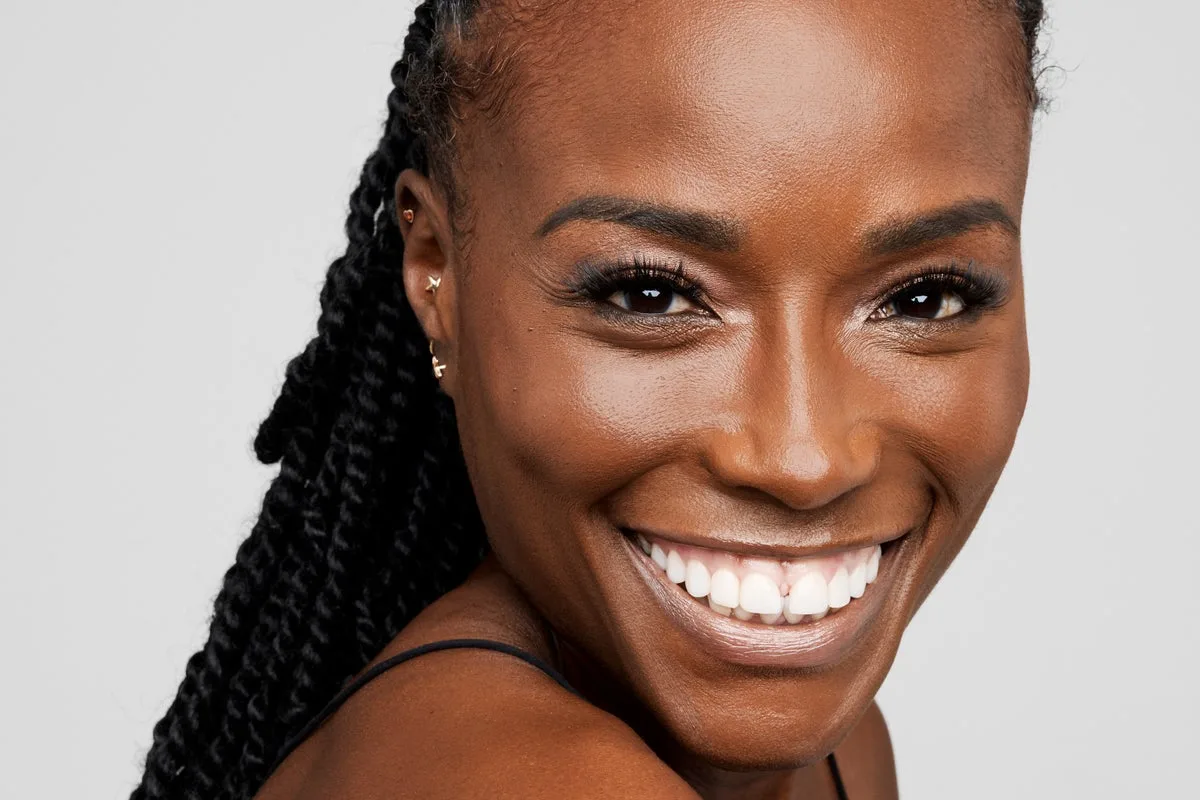
Lorraine Pascale Advocates for Therapy to Combat Midlife Mental Health Stigma
Renowned chef and former model Lorraine Pascale has opened up about the profound impact of therapy on her life, particularly as she navigates her 50s. In an interview with Sara Keenan, Pascale highlighted the cultural pressures that often silence women in this age group, urging them to seek support instead of maintaining a 'stiff upper lip'.
Societal Pressures and the Strength in Seeking Help
Pascale, aged 53, expressed that many women over 50 feel compelled to 'just keep going' and avoid appearing weak, even when struggling internally. 'I do feel there is that kind of cultural societal pressure to just keep going and to not seem 'weak',' she stated. However, she emphasised that reaching out for help is a sign of great strength, not vulnerability.
Reflecting on her younger years, Pascale admitted confusion over why people avoided therapy. 'I was always confused when I was younger with the notion that people didn't speak out and go to therapy,' she said. Now, she is committed to using her beliefs to encourage others to prioritise their mental wellbeing.
Personal Journey and Early Experiences with Therapy
Born in London, Pascale spent much of her childhood in the foster care system, where she was assigned a social worker—her first introduction to therapeutic support. This early experience shaped her understanding of mental health, but it also led to deep-seated insecurities.
She revealed that being given away at birth fostered a belief that she 'was not good enough', triggering a lifelong pattern of over-delivering to prove her worth. 'This then led to a pattern of over-delivering and striving to prove my worth, which became the way I lived,' Pascale explained.
Since the age of 18, she has intermittently engaged in therapy, describing it as 'amazing' for helping her address these patterns. In midlife, therapy has brought more balance and self-approval into her life, reshaping her identity.
Campaign Ambassador for BACP's No More Stiff Upper Lip Initiative
Pascale recently became an ambassador for the British Association for Counselling and Psychotherapy (BACP) as it launched the No More Stiff Upper Lip campaign. This initiative aims to encourage women over 50 to seek therapy and break the silence around mental health struggles.
To promote the campaign, BACP released a limited-edition lipstick collection with names like Heard and Resilient, symbolising how therapy can empower women. Pascale, who shares daughter Ella Balinska with ex-husband Kaz Balinski-Jundzill and is married to Dennis O'Brien since 2021, said therapy has been transformative. 'It has done so both before and after I went into my 50s,' she noted, adding that it helped shape her into the person she is today.
Challenges Faced by Women Over 50
Pascale pointed out that midlife brings a multitude of challenges beyond hormonal changes, including relationship shifts, career uncertainties, caregiving for children and ageing parents, and processing past traumas. 'There's just so much to handle and to look at as you become older,' she said, warning that the 'stiff upper lip' mindset can exacerbate these pressures.
She believes many women over 50 feel forced to stay quiet even when struggling, contributing to what BACP calls an 'epidemic of silence'. According to BACP research, nearly two-thirds (64%) of women over 50 have struggled with mental wellbeing since reaching this age, and 87% admit to hiding it. Key barriers include not wanting to burden others (46%) and a generational tendency to maintain a stiff upper lip (24%).
The Importance of Speaking Out in an Isolated Society
Pascale observed that modern society is more isolated, with fewer extended family networks for support. 'It's much more lonely these days, so it's really important to speak out if you can,' she advised. Therapy has helped her develop a stronger sense of self, better boundaries, and confidence in tackling life's challenges.
She acknowledged that therapy is a personal choice, and some may prefer talking to friends or family. However, she stressed there is no shame in seeking professional help, especially when personal conversations feel burdensome. 'For me, therapy is one of the best things you can do for yourself,' Pascale affirmed, encouraging others not to push on alone.
Personal Wellbeing Practices and Advice to Younger Self
Now more focused on her wellbeing, Pascale has adopted intentional practices such as using a SAD lamp for seasonal affective disorder, exercising, walking her dog, and maintaining a diet rich in fresh fruits and vegetables. She avoids fads, opting for what feels best personally.
To her younger self, she would say: 'Stop worrying about what other people think so much. I would also tell her to say things with her chest and do things with her chest.' This message underscores her journey towards empowerment and self-acceptance through therapy.






