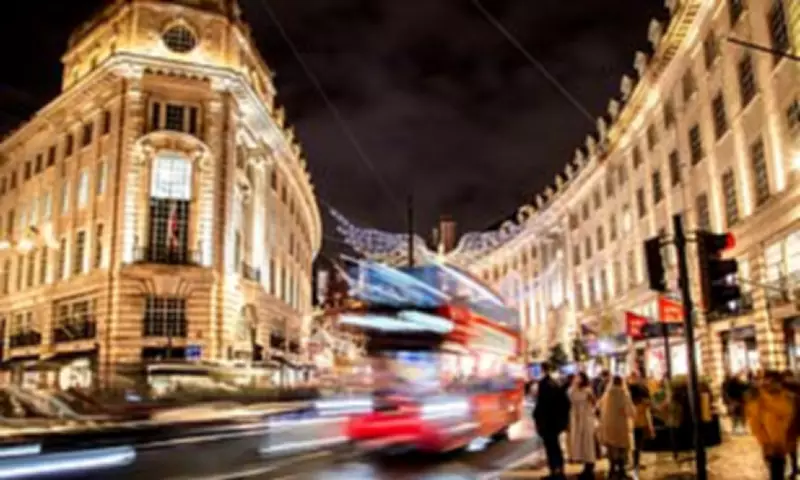
A comprehensive new study has identified the European cities where sleep is most disrupted, offering crucial insights for British holidaymakers planning their next short-haul getaway. The European Sleep Index 2026 meticulously analysed sleep conditions across twenty-five major urban centres to determine the best and worst locations for achieving restful slumber.
Methodology and Key Findings
Utilising a sophisticated penalty-point system, the index evaluated a range of environmental and lifestyle factors closely associated with night-time disturbance. These critical metrics included ambient noise levels, light pollution, air quality, local smoking rates, alcohol consumption patterns, and average sleep duration for both permanent residents and temporary visitors. Lower scores on this scale indicate superior sleep conditions, with each city's performance directly linked to its urban management and cultural habits.
London's Poor Performance
In a disappointing result for the UK capital, London ranked a lowly 20th out of the 25 cities assessed. It achieved a penalty score of 36.12 out of a possible 70, placing it firmly in the bottom tier for sleep quality. The analysis pinpointed several interconnected factors driving this poor outcome.

Noise exposure was highlighted as a primary culprit, exacerbated by the city's notorious traffic congestion, vibrant nightlife, and persistent background hum. This acoustic pollution is particularly acute in tourist-centric zones densely packed with hotels and short-term rental properties, making sleep disruption an almost inevitable experience for visitors and locals alike.
Compounding the issue are significant levels of air pollution and the patterns of late-night commuting, which further degrade the nocturnal environment. Interestingly, the index demonstrates that city size alone does not predetermine sleep outcomes. Paris, which faces comparable density, tourism pressure, and transport challenges, managed to perform considerably better, suggesting that policy and planning interventions can make a substantive difference.
The Worst and Best Performers
At the very bottom of the ranking sits Prague, claiming the unenviable title of Europe's worst city for sleep. It was closely followed by Warsaw and Barcelona. These urban centres are characterised by extended periods of night-time noise, concentrated pockets of late-night economic activity, and persistently high traffic volumes.
Prague's poor standing was attributed to notably high rates of alcohol consumption and smoking, coupled with some of the highest recorded noise pollution levels in the study. Barcelona, ranked as the third worst, received the single highest noise pollution score of all twenty-five cities. This was linked directly to its massive visitor numbers, booming nightlife economy, and densely packed residential areas that amplify sound.
On the opposite end of the spectrum, Zurich emerged as the clear leader, crowned the best European city for sleep. It was followed by Amsterdam and Stockholm. These top-performing cities excelled due to significantly lower ambient noise levels and more effective management of night-time activities.
Zurich benefits from low light pollution and moderately good air quality. Meanwhile, both Amsterdam and Stockholm have implemented strategic urban planning initiatives—such as creating expansive green spaces and enforcing intelligent traffic management schemes—that successfully act as sound buffers and promote a calmer nocturnal atmosphere.
Expert Commentary and Broader Context
Rodney Ryu, Managing Director of Coway Europe, which conducted the research, provided critical context. 'Travellers often assume poor sleep is just an unavoidable part of visiting a busy city, but the data clearly shows that some destinations manage night-time conditions far better than others,' he stated.
'Noise exposure and air quality, in particular, have a direct and measurable impact on how well people sleep, whether they are permanent residents or just staying for a few nights. Poor sleep is not an inevitable consequence of urban travel. Cities that take noise reduction, air quality improvement, and holistic night-time planning seriously create better living conditions not just for their residents, but for visitors as well.'

This sleep study arrives as London faces further criticism regarding its urban environment. In a separate and equally damning report, the capital has recently been crowned the world's worst megacity for traffic, with average speeds crawling at just over 10 miles per hour. Data from TomTom reveals a typical six-mile journey now takes an average of 35 minutes and seven seconds, cementing London's status for having the slowest-moving traffic globally.
This congestion has worsened, with average travel times increasing by 45 seconds compared to the previous year. The cumulative effect is staggering: the typical driver in London now loses a colossal 136 hours annually stuck in rush-hour gridlock, adding a significant layer of stress that undoubtedly impacts overall well-being and sleep quality for millions.