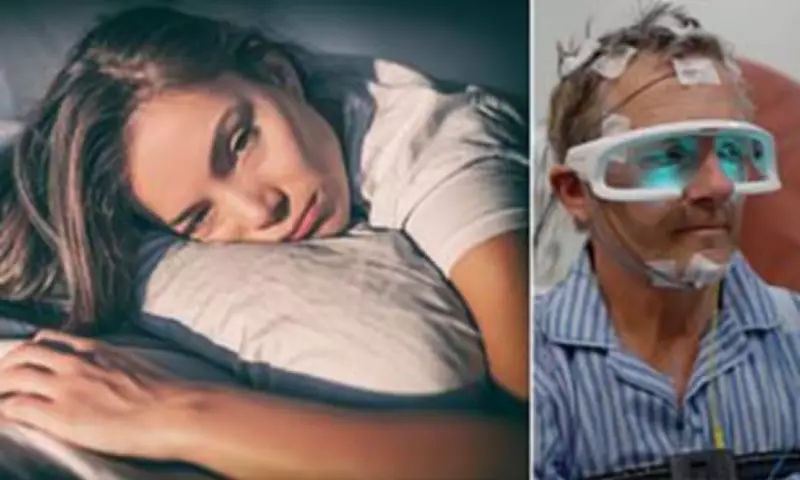
I wasn't always a poor sleeper. During my teenage years, I possessed the remarkable ability to sleep anytime and anywhere. One memorable occasion saw me catching rest in a photo booth after missing the last train home, while another found me slumbering peacefully within a phone booth.
The Onset of Sleepless Nights
However, by the time I entered my forties, I began exhibiting classic signs of insomnia. I experienced significant difficulty falling asleep and would frequently wake around 3am with racing thoughts flooding my mind. Lying awake for what felt like hours became routine, transforming bedtime from a genuine pleasure into an experience approached with considerable unease. Each night brought the same anxious questions: would this be a good night or a bad night? Would I rise feeling shattered or would I enjoy one of those rare nights sleeping through until morning?
Joining a Groundbreaking Sleep Study
As part of my quest to understand sleep better, particularly my own sleep patterns, I agreed to participate in a clinical trial conducted by experts from the Flinders University Sleep Institute in Adelaide, Australia. This trial proved particularly unusual and compelling due to its combination of personalised approaches with cutting-edge sleep monitoring technology. Despite initial apprehensions, participation became one of the most valuable experiences of my life, both personally and professionally.

Like the twenty-nine other participants, I began with a comprehensive medical examination to exclude underlying health problems. The research team then provided me with various kits to take home, including different sleep trackers and a Withings Sleep Analyzer mat. This mat, available for purchase online, contains a microphone among other sensors. The device slips under the mattress, detecting breathing sounds and movements during sleep, syncing to a smartphone to provide detailed sleep quality reports, snoring analysis, and potential sleep apnea indicators come morning.
Advanced Monitoring Techniques
With our consent, data from all devices transmitted directly to the Flinders research team. We also maintained sleep diaries, a crucial component of the programme. More surprisingly, I swallowed an electronic pill linked via Bluetooth to a recording device. As psychologist Professor Leon Lack explained, this pill provides extremely accurate measurements of core body temperature – the temperature of internal organs. This measurement proves vital because core body temperature, like numerous other bodily processes, follows our internal circadian clock and directly links to sleep patterns.
Core body temperature fluctuates throughout the day, typically reaching its lowest point around 4am, which helps maintain sleep during the night's second half. The Flinders team aimed to identify participants with circadian clocks operating out of sync, whether running faster or slower than expected, potentially causing sleep disruption and insomnia symptoms. Historically measured using rectal thermometers requiring constant placement, I felt profoundly grateful for the swallowable pill alternative.
Laboratory Assessment and Startling Findings
After several days acclimatising to the monitoring equipment, I underwent an overnight assessment at the Nick Antic Flinders Sleep Laboratory. This involved attaching electrodes to my head and body alongside other devices to monitor sleep physiology. Following extensive monitoring, the results delivered something of a shock.
The team confirmed I had quite severe insomnia, which I already suspected. More surprisingly, they discovered my body clock runs faster than expected. While most people's core body temperature reaches its lowest around 4am before beginning to rise, my temperature-measuring pills revealed my lowest point occurring around 1am. This could explain why I become sleepy early evenings and often wake feeling surprisingly alert around 3:30am. Professor Lack suggested my fast-running body clock might have initially triggered my insomnia.

Contrasting Circadian Profiles
Fellow volunteer Priyanka presented the opposite problem. Her core body temperature dipped to its lowest around 6am, explaining why she struggled falling asleep at 'normal' times, lying awake for hours before eventually sleeping early morning. Around 6am, her alarm would wake her, leaving her feeling extremely sleep-deprived and on edge.
Personalised Light Therapy Interventions
To treat our circadian issues, we both received prescriptions for bright light exposure delivered through Re-Timer Light Therapy Glasses, developed by Professor Lack. Priyanka wore hers first thing each morning to advance her body clock, while I wore mine during evenings to delay mine. She also received encouragement for early morning walks, while I aimed for more evening light exposure.
The treatment proved remarkably effective. Within weeks, my core temperature tests showed my body clock had shifted two hours later. Meanwhile, Priyanka – the extreme 'owl' – found early morning light exposure produced the opposite effect, making nighttime sleep easier. She later described the experience as 'life-changing', stating: 'I am able to wake up without feeling like I'm fighting my body, and I'm ready to start my day in a very, very positive mindset.'
The Power of Morning Light
Now with her circadian rhythm reset, Priyanka takes her dog for thirty-minute walks before breakfast. While exercise provides partial motivation, the primary purpose involves exposing herself to abundant early-morning light. The amount of light experienced indoors or during commutes represents only a fraction of outdoor levels, even during overcast, gloomy conditions. Venturing into early-morning light resets internal clocks, signalling to the body that daytime has begun.
During long, dark winters, or for those really struggling with morning rising, investing in a light box might prove beneficial. Quality light boxes produce around 10,000 lux – similar to bright spring morning outdoor levels – compared to typical indoor or office environments offering a mere 25 to 50 lux. Light boxes can effectively help transform 'owls' into 'larks' by resetting internal clocks.
Important Considerations and Additional Therapies
However, timing proves crucial. Super-'larks' waking much earlier than desired – common among older individuals and representing my problem – who struggle staying awake evenings should avoid morning light box use. Instead, they should minimise early-morning light exposure and seek substantial light during late afternoons, thereby delaying melatonin release.
Some trial participants, including myself, also received prescriptions for Sleep Restriction Therapy, alternatively known as Bedtime Restriction Therapy, to address underlying insomnia. While seemingly paradoxical asking insomnia sufferers to spend less time attempting sleep, studies demonstrate bedtime restriction can prove highly effective with lasting results.
For me, this meant maintaining an 11pm bedtime with 5am wake-ups. The regimen felt brutal initially, but combined with increased evening light exposure, I soon slept better than I had for years. As sleep improved fairly rapidly, I gradually received additional bedtime minutes, which felt wonderful. By the eight-week study's conclusion, I was declared insomnia-free.
Bittersweet Realisations
Receiving proper diagnosis and effective treatments brought massive relief, yet also bittersweet realisations. My father died aged seventy-four from heart failure, and it now seems obvious that alongside type 2 diabetes, he likely had sleep apnea contributing to his early death. This realisation brings sadness, since diagnosis could have enabled treatment, potentially allowing him to remain with us today.