
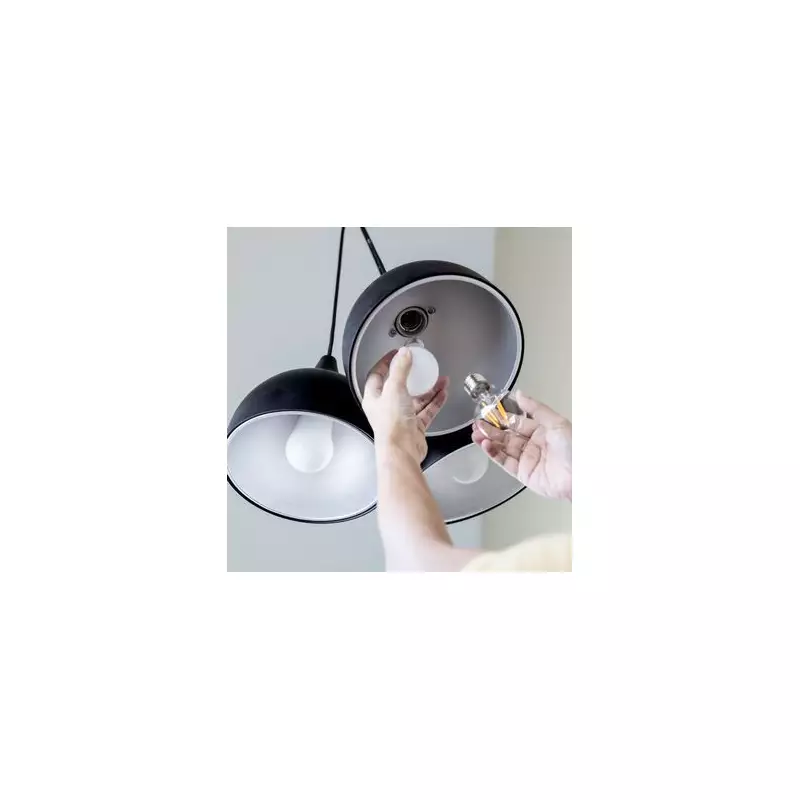
A leading neuroscientist from a prestigious London university has issued a stark public health warning, comparing the potential dangers of widespread LED bulb use to the historical threat of asbestos.
The 'Blue Spike' Problem in Modern Lighting
Dr Glen Jeffery, a professor of Neuroscience at University College London, specialises in how light affects our biology. His research highlights a crucial contrast: while red and infrared light from sunrises and sunsets can benefit metabolism, eyesight, and mood, the artificial light from LEDs poses a significant threat.
The core issue lies in the blue light spike emitted by LED bulbs, which is present even in so-called 'warm' white LEDs. This blue light directly impacts mitochondrial health – the fundamental energy producers within our cells. Healthy mitochondria mean more energy, quicker recovery from illness, and smoother bodily functions.
"This is a public health issue and it's big," Dr Jeffery stated on the Andrew Huberman podcast. He acknowledged the Nobel prize-winning energy savings of LEDs but emphasised their hidden cost: "The LED has got a big blue spike in it, though we tend not to see that. And that is even true of warm LEDs, and there is no red."
Evidence from Research: Weight Gain and Cellular Decline
Dr Jeffery's laboratory studies on mice provide concrete evidence of the harm. Under LED lighting matching typical domestic or commercial energy levels, researchers observed the animals' mitochondria deteriorating. "We can watch the mice mitochondria gently go downhill. They're far less responsive, their membrane potentials are coming down, the mitochondria are not breathing very well," he explained.
In one striking finding, the mice experienced dramatic weight gain over just one week under this lighting. For humans, the consequences are similarly severe. The blue light suppresses melatonin, the hormone regulating sleep, leading to disrupted sleep patterns and an increased risk of chronic health conditions.
A Widespread Issue with Broader Environmental Impact
The problem is magnified by the rapid adoption of LED technology. Academics at the University of Exeter have documented a dramatic increase in LED lighting across Europe. In the UK, it's estimated that around 55% of all street lights used LED bulbs as of 2020, contributing to personal and environmental exposure.
David Smith from the conservation charity Buglife underscores the wider ecological damage. "Light pollution can dramatically impact invertebrates," he said, noting it alters their daily lives and reduces populations in lit habitats. He advocates for better quality, lower-level lighting that is harmonious with the natural world, saving energy and costs while protecting wildlife.
Dr Jeffery's final comparison leaves little room for doubt about the scale of his concern. He believes the impact of LED light is "an issue on the same level as asbestos," urging public and policy attention to what he frames as a silent emergency unfolding in our homes and streets.




