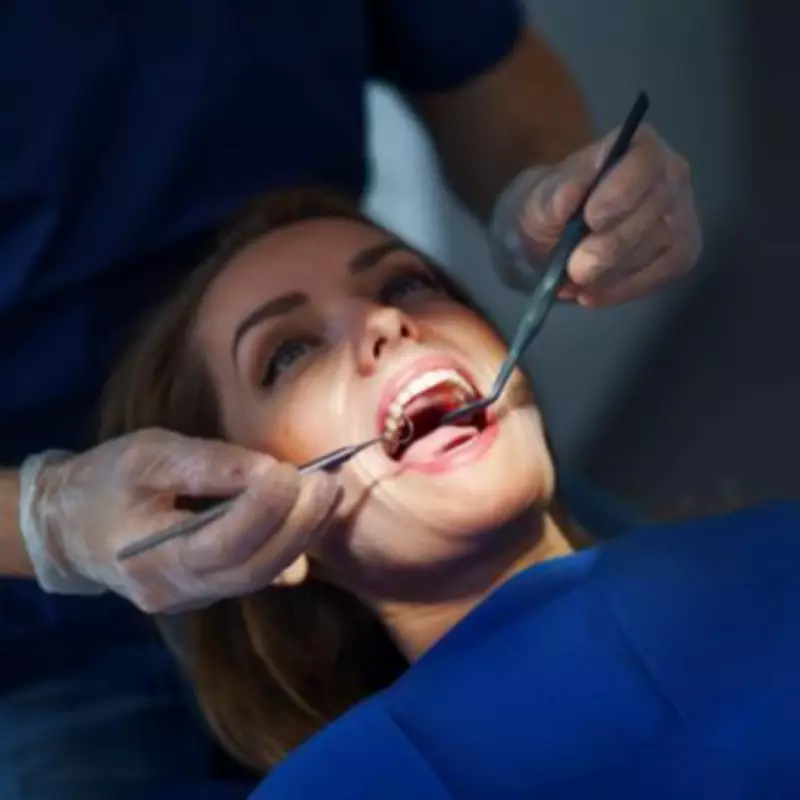
Health Minister Stephen Kinnock Exposes DIY Dentistry Crisis
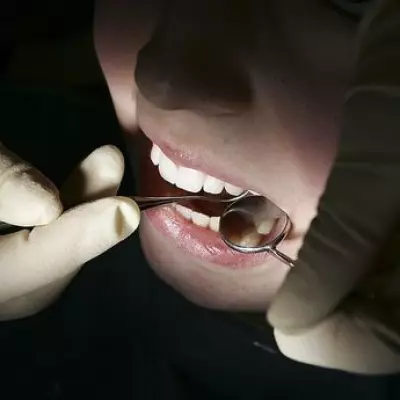
Health Minister Stephen Kinnock has issued a stark warning about the escalating crisis in NHS dentistry, revealing that desperate patients are resorting to pulling out their own teeth at home. In an exclusive piece for The Mirror, Kinnock detailed how this dangerous trend often leads to worse medical problems, highlighting a decades-old access issue that has reached critical levels.
Government Action on Dental Appointments
The government had previously pledged to deliver 700,000 extra urgent dental appointments to address the problem head-on, with Integrated Care Boards actively commissioning these slots. However, Kinnock admitted that many patients are still falling through the gaps due to a narrow clinical definition of what constitutes 'urgent' care.
Issues such as infections or rotting teeth – which most people would consider urgent – do not currently fall under this restrictive definition. "This is unacceptable – in this day and age no-one should be suffering with rotting teeth or tooth decay, unable to access an appointment," Kinnock stated emphatically.

Broadening Access to Dental Care
Following recommendations from the Chief Dental Officer to the Secretary of State, the government is now taking decisive action. From today, the scope of the target will no longer be limited by the narrow clinical definition and will instead include all dental appointments, allowing thousands more people to access the care they desperately need.
The Health Minister outlined the government's comprehensive approach to rebuilding NHS dentistry:
- Delivering a massive 1.8 million additional treatments between April and October 2025
- Projecting approximately 3.1 million extra treatments by 1 April if current trends continue
- Reforming NHS dentistry for the long-term to prioritize those most in need
- Pioneering a supervised toothbrushing programme for 3-5 year olds
Focus on Vulnerable Populations
Kinnock emphasized that the government's priority remains supporting vulnerable individuals and those on lower incomes, particularly families with young children. "These families would rather their hard-earned cash paid for holidays or school books than expensive private dental treatment," he noted, underscoring the economic pressures driving the DIY dentistry phenomenon.
The Health Minister concluded with a firm commitment: "We're transforming NHS dentistry and this essential change today will help make sure everyone up and down the country has access to the treatment they need. It's time to end the shocking stories of people pulling out their teeth – the dentist will see you now."
This policy shift represents a significant step in addressing what Kinnock describes as an unacceptable situation in modern healthcare, where patients feel compelled to take dental matters into their own hands with potentially dangerous consequences.