
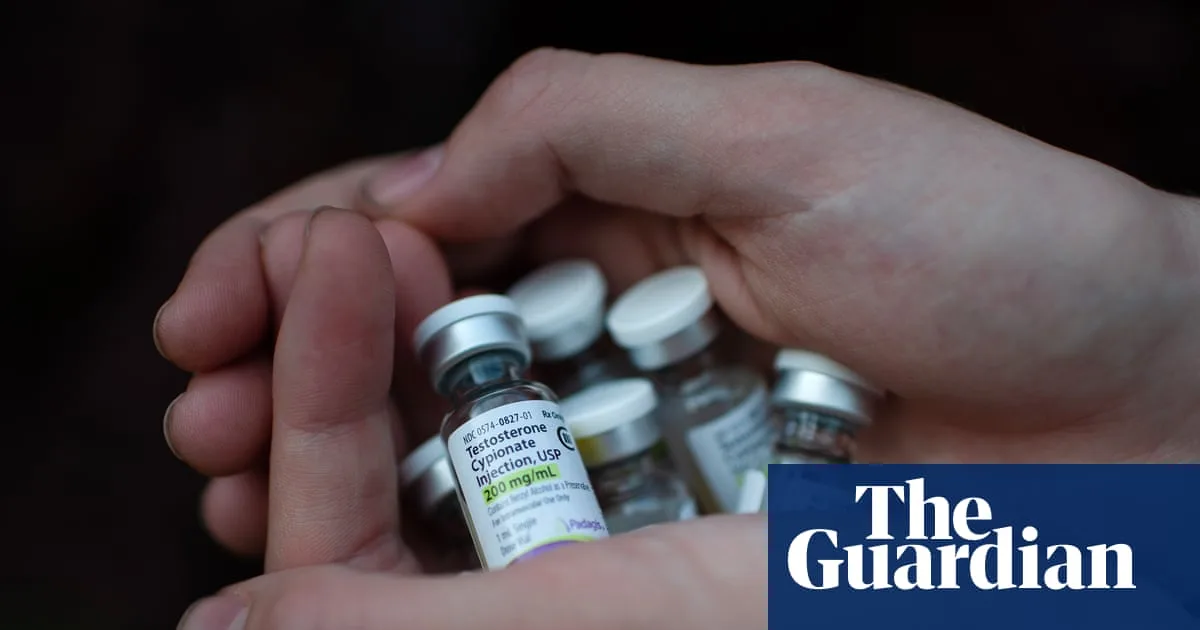
Social media influencers and wellness companies are aggressively targeting healthy young men with promotions for testosterone tests and treatments, despite routine screening being medically unwarranted for most, a new study suggests. Researchers analysed 46 high-impact posts on TikTok and Instagram, which together drew more than 6.8 million followers, to examine how masculinity and men's health are being depicted and monetised online.
The study, published in the journal Social Science and Medicine, found that influencers often framed normal variations in energy, mood, libido or ageing as signs of pathology. Lead author Emma Grundtvig Gram, a public health researcher at the University of Copenhagen, said this could lead men to perceive themselves as inherently deficient or in need of medical intervention, fuelling lucrative markets for pharmaceuticals, supplements and medical devices even without clear clinical benefit. She described the trend as contributing to the 'medicalisation of masculinity' and reinforcing a narrow, idealised model of male identity.
While testosterone naturally declines with age, it is not inevitable for all men, and lower levels may be linked to factors such as type 2 diabetes, obesity, metabolic syndrome and certain medications. The posts often targeted younger, fit men and contained messaging aligned with the 'manosphere', promoting an ideal of 'alpha men' as dominant, sexually successful and physically powerful, with testosterone positioned as the key to achieving that status.
Prof Ada Cheung, an endocrinologist at the University of Melbourne who was not involved in the study, said routine screening for low testosterone in asymptomatic men, including younger men, was not supported by Australian guidelines. Testing is generally recommended only when symptoms such as delayed puberty or reduced libido are present, or after specific clinical circumstances like testicular surgery or chemotherapy. Symptoms commonly attributed to low testosterone are often non-specific and overlap with fatigue, stress, anxiety, depression and relationship difficulties, she added, noting risks of unwarranted testing include masking underlying conditions and exposure to side-effects such as infertility, cardiovascular risk and thickened blood.
The research also revealed that 72% of the posts analysed had financial interests, such as selling tests, treatments or supplements or being sponsored by industry, with two-thirds including direct links or promo codes to purchase products. Gram noted that conflicts of interest were often not readily visible to users. Prof Oliver Jones, a chemist and analytical scientist at RMIT University, also not involved, said he found it troubling how easily people with no or few health qualifications could make claims online to sell products with no consequences.




