House Burping: The Winter Ventilation Trend with Health Benefits
House Burping: Winter Ventilation Trend with Benefits

The Independent's journalism is supported by our readers. When you purchase through links on our site, we may earn commission.

House Burping: The Winter Ventilation Trend with Health Benefits

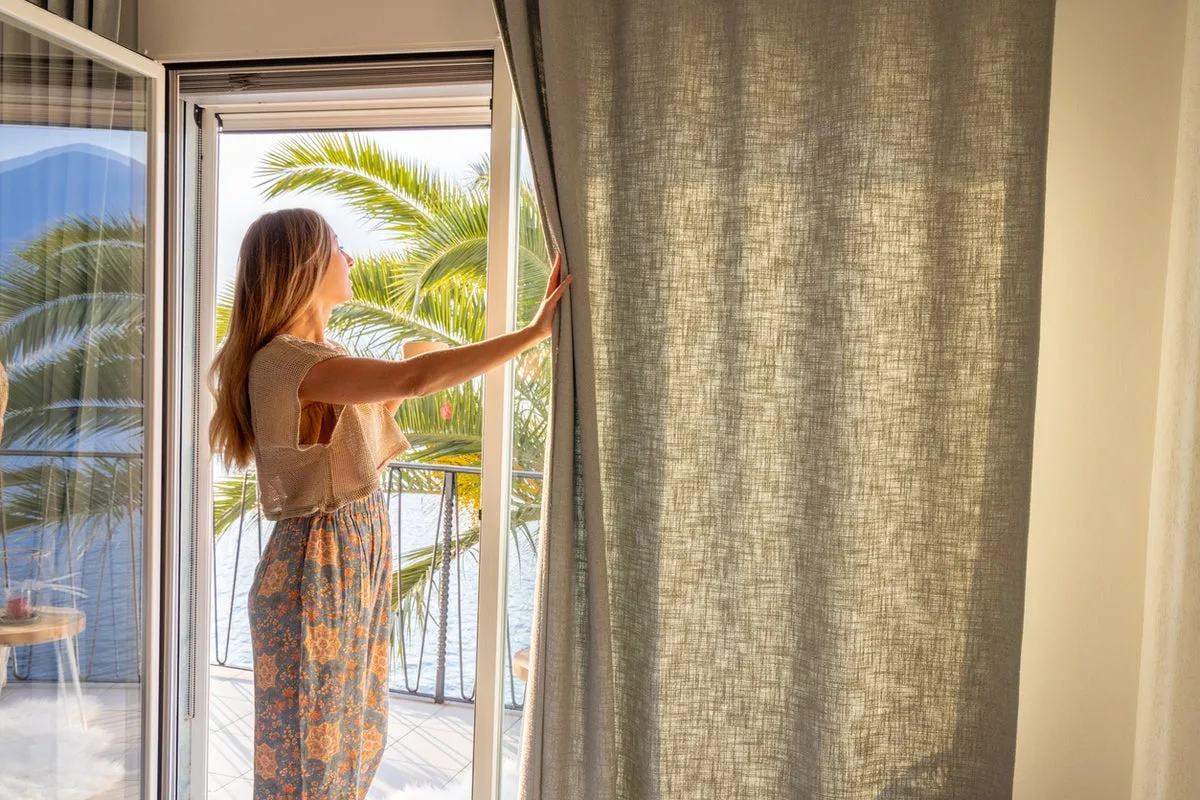
House burping has emerged as the latest winter trend sweeping through homes, offering surprising health advantages alongside improved domestic environments. This innovative practice involves opening windows for brief periods during colder months to refresh indoor air, a method gaining significant traction on social media platforms.

The Origins and Mechanics of House Burping

While currently making rounds on TikTok with videos demonstrating the technique, house burping actually originates from Germany where it's known as "lüften" or "airing out." The practice involves opening windows for just five to fifteen minutes daily, even during the coldest winter months, to allow fresh outdoor air to circulate through living spaces.

Tony Abate, a certified indoor environmentalist and chief technology officer at AtmosAir Solutions, explained to House Beautiful: "Adding volumes of outdoor air by opening windows will lower concentrations of indoor air contaminants that can make you and your family sick."

Health and Environmental Advantages

The benefits of house burping extend beyond simple ventilation. According to air quality expert Megan Doser from Denver, Colorado, this practice helps regulate carbon dioxide levels within homes. She noted that increased CO2 concentrations often result from everyday household items including cleaning products, air fresheners, gas stoves, and water heaters.

"Replacing moist indoor air with drier outdoor air and reducing the concentration of carbon dioxide makes a big difference in how we feel," Doser emphasized to House Beautiful.

Additional advantages identified by European practitioners include:

  • Significant improvement in overall indoor air quality
  • Reduction of humidity levels that can encourage mold growth
  • Energy conservation through controlled ventilation periods
  • Decreased concentration of airborne pollutants and allergens

The American Indoor Air Quality Context

While house burping represents a new trend in the United States, concerns about indoor air quality have persisted for years. The American Lung Association reports that indoor air can be two to five times more polluted than outdoor air, with Americans typically spending over ninety percent of their time inside buildings.

Poor indoor air quality presents particular risks for individuals with lung diseases or underlying health conditions, making ventilation practices increasingly important for public health.

Limitations and Complementary Approaches

Doser cautioned that while house burping offers substantial benefits, it doesn't eliminate all indoor air quality issues: "House burping won't stop the mold spores on our walls or dust on our floors from growing," she noted, emphasizing the continued importance of regular cleaning alongside ventilation practices.

The Mayo Clinic recommends additional methods to enhance indoor air quality, including:

  1. Running bathroom fans intermittently to improve ventilation
  2. Utilizing window air conditioner fans that draw fresh air from outside
  3. Employing indoor fans to circulate air throughout living spaces
  4. Maintaining regular cleaning routines to reduce dust and allergen buildup

As winter continues, house burping offers a simple, cost-effective approach to creating healthier indoor environments. By incorporating brief ventilation periods into daily routines, households can enjoy improved air quality, regulated humidity levels, and potentially better overall wellbeing throughout the colder months.




