Health Board's Admission on Hospital Infections Causes 'Indescribable Distress' to Bereaved Family
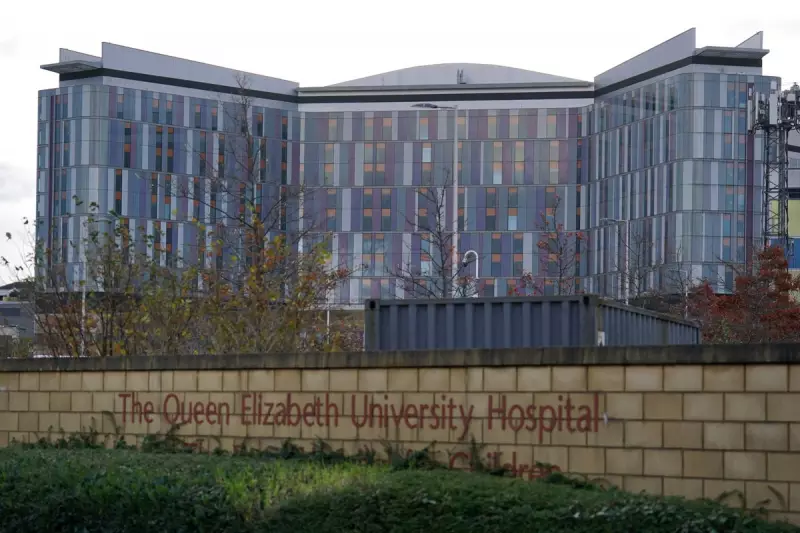
The Scottish Hospitals Inquiry has heard how a health board's significant change in position regarding potential infection sources at a major hospital has inflicted indescribable distress upon a grieving family. Molly Cuddihy, who passed away in August last year at just twenty-three years of age, had been receiving treatment at the Queen Elizabeth University Hospital in Glasgow since 2018.
Family's Grief Exacerbated by Timing of Admission
Clare Connelly, representing the Cuddihy family alongside the family of Eilidh Mackay, informed the inquiry that the anguish experienced by Molly's parents, John and Maria Cuddihy, was further exacerbated by the timing of the health board's admission. NHS Greater Glasgow and Clyde (NHSGGC) only publicly acknowledged a probable causal link between certain patient infections and the hospital environment, specifically the water system, in late 2025. This fundamental shift in stance occurred after Molly's death, meaning she never learned of the board's revised position.
Ms Connelly stated, "Their incalculable grief and distress following the death of their daughter Molly has been further exacerbated by the fact that Molly did not hear or read of that change in position prior to her death, and for the Cuddihys that has caused unimaginable pain."

Systemic Failures and Patient Testimony
The inquiry, which is examining the design and construction of the Queen Elizabeth University Hospital and the co-located Royal Hospital for Children, was presented with a statement Molly Cuddihy had prepared for a hearing scheduled in September 2025. In her powerful testimony, she praised her clinical team but expressed severe criticism of the health board's management.
She wrote, "Their utter contempt for the entire process has been clear, and the total disregard they have shown for the patients and their families has been startling." Molly also described the psychological torment endured by patients amidst the ongoing issues at the hospital.
Molly Cuddihy was treated for a rare cancer between 2018 and 2020. She developed septic shock and was diagnosed with a mycobacterium chelonae infection in her line, which was later determined to have originated from the hospital environment.
Broader Allegations of Systemic Breaches
Ms Connelly further argued that the health board's failures represented a systemic breach of commitments to child wellbeing. She cited breaches of the United Nations Convention on the Rights of the Child and the Scottish Government's Getting it Right for Every Child framework. She highlighted fundamental rights, including the right to the best possible health and access to clean water.
"In my respectful submission, NHSGGC's failures should be understood not only as shortcomings in healthcare and governance but as a systemic breach of Scotland's own commitments," she told the inquiry.
Key failures identified included:
- Evidence of avoidable harm occurring in a specialist healthcare setting.
- Delays in recognising and acting on identified risks to patient safety.
- Families not being provided with complete and transparent information.
- Organisational responses that appeared to prioritise defence and damage limitation over genuine openness and learning.
Ongoing Investigations and Apology
The death of Molly Cuddihy remains under investigation by prosecutors. Furthermore, NHS Greater Glasgow and Clyde has been named in an ongoing corporate homicide investigation concerning the deaths of three children and a seventy-three-year-old woman at the QEUH campus.
In response to the inquiry, NHSGGC has offered a sincere and unreserved apology to all affected patients and families. The board maintains that both the Queen Elizabeth University Hospital and the Royal Hospital for Children are safe facilities today.
The case of Eilidh Mackay, another cancer patient at the Royal Hospital for Children who contracted infections in 2016, was also referenced. Submissions noted she continues to live with the life-impacting and life-limiting effects of those infections.

The Scottish Hospitals Inquiry, presided over by Lord Brodie in Edinburgh, continues its work.