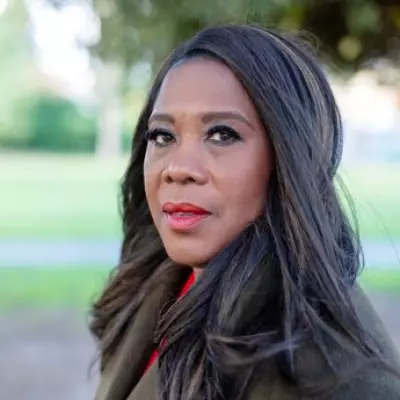
Julie McFadden, widely recognised as Nurse Julie on social media platforms, has devoted many years to providing compassionate care for individuals during their final stages of life. Her extensive experience offers a unique window into the poignant moments that unfold as patients approach death.
Common Phrases Heard at the End of Life
In her work, Nurse Julie has identified four particular phrases that emerge repeatedly among terminally ill patients. These heartfelt expressions include 'Thank you', 'I forgive you', 'Goodbye', and 'Please forgive me'. She notes that these utterances often carry deep emotional weight, reflecting a desire for closure and reconciliation.
Dispelling Hollywood Myths
Contrary to dramatic portrayals in films, Julie emphasises that these last words are not typically delivered in a sudden, cinematic fashion at the final breath. In a 2024 interview, she explained that the reality is more nuanced, with patients often expressing these sentiments gradually rather than in a single, dramatic proclamation.

Unexplained Phenomena in End-of-Life Experiences
With over 16 years in the profession, Julie continues to encounter aspects of dying that puzzle her. One such phenomenon involves patients who appear to choose the timing of their own death, sometimes waiting for significant events like a family wedding before passing away, even when not actively dying.
Visions and Behaviours Before Death
Nurse Julie also discusses occurrences where patients report seeing deceased relatives or pets, often about three weeks prior to death. She clarifies that these individuals are usually alert and oriented, not under the influence of medication. Additionally, she has observed behaviours such as calling out family names or acting in a child-like manner, which vary in intensity from person to person.
Julie acknowledges that some patient statements may seem nonsensical to observers but could hold personal meaning for the individuals themselves. Her insights underscore the complexity and individuality of end-of-life experiences, challenging common misconceptions and highlighting the profound human connections that define this final journey.