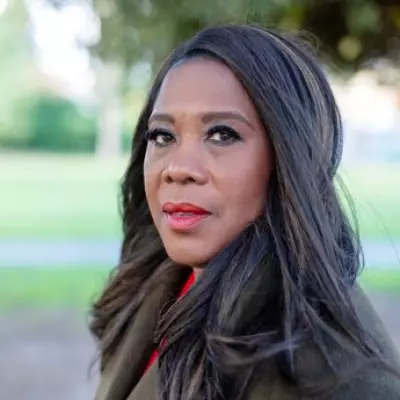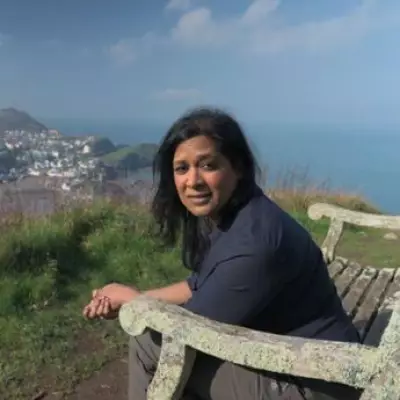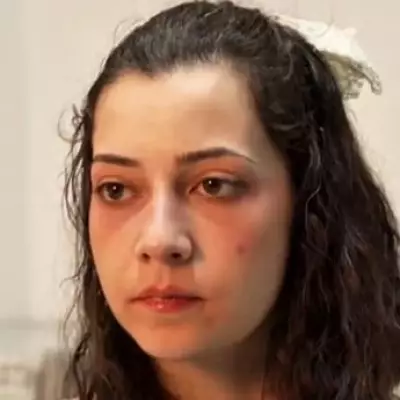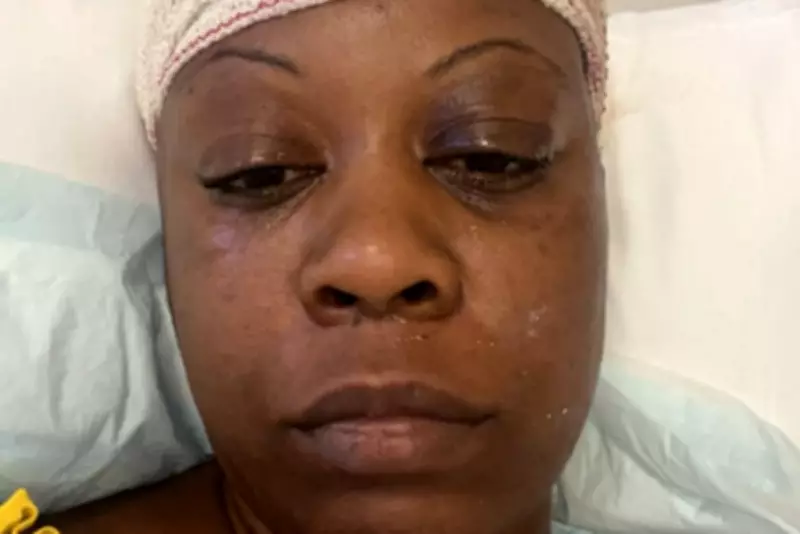
Natasha Carayol believed high blood pressure was simply a condition she had to live with, never imagining it would bring her to the brink of death not once, but twice. The 40-year-old from north London shares her harrowing story as a stark warning to others, particularly on Stroke Prevention Day.
A Life-Altering Diagnosis
Natasha first discovered she had hypertension back in 2010, but like many people, she considered it a manageable aspect of her health rather than a serious threat. "I thought high blood pressure was just something I lived with – I never imagined it would nearly kill me," she reveals. This perception would prove dangerously mistaken.
The First Devastating Stroke
In May 2022, Natasha began experiencing severe headaches and extreme exhaustion that persisted for about a week. As a regional team manager and financial adviser juggling single motherhood with her passion as a radio DJ, she tried to push through the discomfort. One morning during a Zoom meeting, disaster struck.

"It felt like a nuclear bomb went off in my head," Natasha describes. She collapsed, unable to move or scream, managing only to grab her desk to alert colleagues. Rushed to Ealing Hospital, tests revealed an aneurysm caused by her high blood pressure had triggered a major stroke.
Doctors delivered chilling news: "Based on the diagnosis, I think if I went home that night, I would not have woken up the next day – my brain was flooding with blood." Emergency brain surgery at Charing Cross Hospital saved her life but left her with significant challenges.
Painful Recovery and New Purpose
The aftermath was brutal. Natasha faced severe facial swelling, had to relearn how to walk due to extreme weakness, and required speech therapy for slowed communication. "A stroke doesn't just change your body, it changes your mind," she reflects on the psychological impact.
During her recovery, living with her grandmother and rebuilding her confidence, Natasha turned to music. DJing for neighbours in her garden helped her reconnect with herself. By October 2022, she had recovered enough to return to work briefly before deciding to pursue DJing professionally, performing in Morocco, Greece, Spain and Turkey.
A Second Terrifying Episode
Just as life seemed to be returning to normal, Natasha discovered she was pregnant in October 2024. "I was terrified of having another stroke," she admits, knowing pregnancy increases stroke risk. Specialists managed her blood pressure throughout, and she gave birth in June 2025.
Tragically, five weeks postpartum, while at home with her newborn daughter Malaya, familiar symptoms returned. "I suddenly felt the urge to pass my baby to my partner and developed a headache," she recalls. Moments later, she collapsed – suffering a second brain bleed and stroke, again caused by high blood pressure.
Recovery with a Newborn
Natasha spent three weeks in hospital, breastfeeding her daughter from her hospital bed. "I looked at her and knew I had to get better. I needed to come home. I needed to be her mum," she says with determination.
This recovery proved even more challenging, initially leaving her unable to move her left side with slurred speech. With help from speech and occupational therapists, she has regained movement and improved communication, but the psychological scars remain profound.
Living with Constant Fear
"I now live with fear, I'm constantly worried it's going to happen again," Natasha confesses. "Any headache, any strange feeling – my heart races." This anxiety has become her daily reality as a mother to Jahzire, 17, and seven-month-old Malaya.
She emphasizes: "High blood pressure is often silent, but the consequences can be catastrophic. Stroke isn't something that only happens to older people. I was in my thirties. I was busy, working, being a mum, living my life. Blood pressure doesn't care how strong or successful you are."
Raising Vital Awareness
Now working with the Stroke Association, Natasha is determined to help others understand their risk. "If my story makes one person check their blood pressure, it's worth it," she states emphatically.

Recognising Stroke Symptoms
The NHS identifies three main stroke symptoms using the FAST acronym:
- Face weakness – one side may droop, making smiling difficult
- Arm weakness – inability to fully lift both arms due to weakness or numbness
- Speech problems – slurred words or confusion in communication
The Stroke Association, the UK's leading stroke charity, provides life-long support for survivors and families, funds crucial research, and campaigns for better care. Natasha's story serves as a powerful reminder that hypertension requires serious attention, regardless of age or lifestyle.