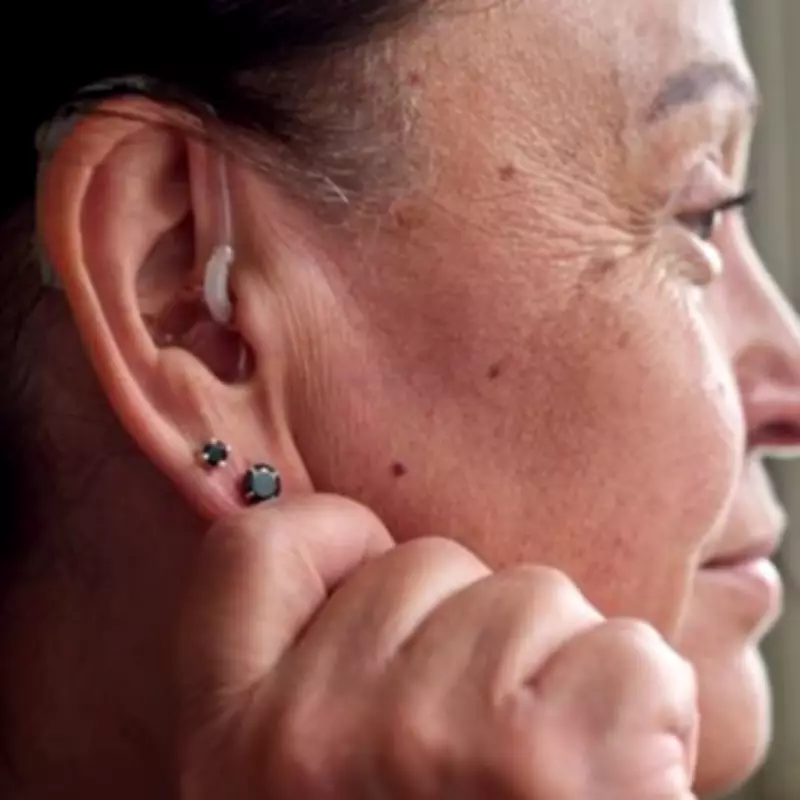
A medical expert has issued a vital warning about the red flags for hearing loss, highlighting a crucial 72-hour window for treatment in cases deemed a medical emergency. Dr Suraj Kukadia, widely known as Dr Sooj, shared his insights on social media, explaining the key differences between treatable and permanent hearing issues to help the public protect their auditory health.
Understanding the Two Main Types of Hearing Loss
Dr Sooj emphasised that recognising the type of hearing loss is essential for effective management. He identified two primary categories: conductive hearing loss and sensorineural hearing loss, each with distinct causes and implications.
Conductive Hearing Loss: Often Treatable
Conductive hearing loss occurs when sound cannot properly reach the inner ear due to blockages or issues in the outer or middle ear. Common causes include earwax buildup, infections, or fluid accumulation behind the eardrum. Dr Sooj noted that these conditions are frequently treatable, with interventions often leading to significant hearing improvement.

Sensorineural Hearing Loss: Typically Irreversible
In contrast, sensorineural hearing loss involves damage to the inner ear or auditory nerve, typically resulting from factors such as noise exposure, certain medications, tumours, or age-related degeneration. This type is generally considered irreversible, but management options like hearing aids or cochlear implants can help mitigate its effects.
The 72-Hour Medical Emergency
Dr Sooj issued a stark warning about sudden sensorineural hearing loss, which develops rapidly over hours to days. He described this as a medical emergency, stressing that most patients have only a 72-hour window to begin treatment to preserve their hearing. After this period, outcomes are significantly worse, making immediate medical attention critical.
Simple Self-Test Using Humming
To help individuals identify potential hearing loss types, Dr Sooj recommended a simple humming test. By closing both ears with fingers and humming, one can gauge where the sound is loudest. If the hum is louder in the ear with hearing loss, it suggests conductive hearing loss, as sound is trapped in the ear canal or middle ear. Conversely, if the hum is louder in the unaffected ear, it may indicate sensorineural hearing loss due to inner ear or nerve damage. Equal humming in both ears with hearing difficulties could point to bilateral issues or other underlying problems.
Five Red Flags Requiring Urgent Assessment
Dr Sooj highlighted five specific warning signs that necessitate immediate medical evaluation:
- Sudden hearing loss in one or both ears
- Hearing loss accompanied by dizziness or vertigo
- Hearing loss with a severe headache
- Hearing loss following a head injury
- Hearing loss combined with facial weakness
He advised that while gradual hearing loss should still be assessed by a general practitioner, it is less urgent. A GP can examine the ears, remove wax if necessary, and refer patients to audiology for comprehensive hearing tests.
Official NHS Guidance
Aligning with Dr Sooj's advice, official NHS guidance underscores that hearing loss can stem from various causes, some treatable and others permanent. Symptoms may offer clues, but self-diagnosis is discouraged. The NHS recommends consulting a GP for professional assessment and tailored advice to address hearing concerns effectively.