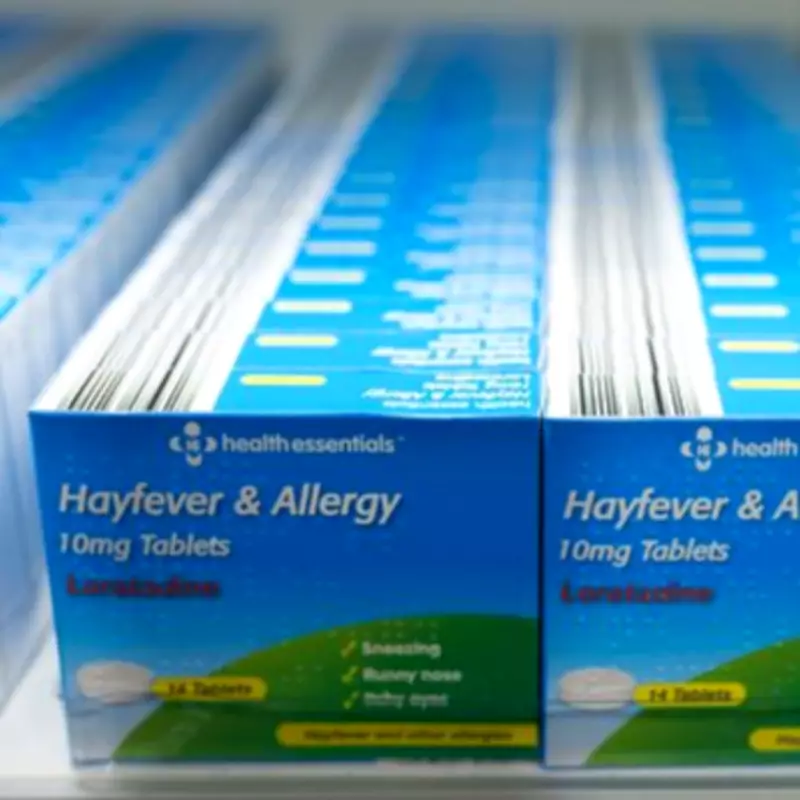
Hay Fever Sufferers Urged to Act Promptly as Pollen Season Approaches
With warmer weather on the horizon, hay fever sufferers across the UK are being advised to take immediate action to manage their symptoms. Failure to do so could result in a rapid and severe worsening of conditions, according to health experts. The NHS has issued guidance for those grappling with the seasonal allergy, emphasising the importance of proactive measures.
Expert Advice from Pharmacists
Pharmacist Anum, known for her online health guidance, has shared crucial recommendations for effectively dealing with hay fever. She stresses that timing is critical; missing the optimal window for intervention could exacerbate symptoms significantly. "If you know when your symptoms typically begin, it's best to start your hay fever medication then to avoid them becoming more severe and problematic later in the year," Anum explained. Her key message is clear: do not wait until symptoms become intense before taking action.
Understanding Pollen Patterns in the UK
In the United Kingdom, pollen levels generally start to increase during early spring, with tree pollen appearing first, followed by grass pollen. Unusually warm weather can accelerate this process, causing some individuals to experience symptoms much earlier than anticipated. This variability underscores the need for personalised timing when initiating treatment.

The Critical Two-Week Rule
Pharmacists highlight an important guideline: starting medication two to four weeks before symptoms usually begin. This pre-season approach helps build protection by preventing the histamine reaction rather than merely alleviating existing symptoms. Taking antihistamines and nasal sprays early is more effective than treating symptoms after they appear, as it targets the root cause of the allergic response.
Optimal Timing for Medication
It is generally recommended to take hay fever medication in the morning to counteract peak pollen counts, which are highest during early morning and afternoon hours. However, for those suffering from severe nighttime symptoms, evening administration may prove more beneficial. Always check medication labels for specific instructions and consult a pharmacist or doctor if uncertain.
Safety and Suitability Considerations
While early intervention is key, it is essential to remember that hay fever medications are not suitable for everyone. Consult a pharmacist before starting any new treatment to determine the most appropriate option for your individual needs. If symptoms persist or become unmanageable, contact your GP for further assistance.
Proactive Management Strategies
Effective hay fever management involves more than just medication. Consider these additional steps:
- Monitor local pollen forecasts regularly.
- Keep windows closed during high pollen periods.
- Shower and change clothes after spending time outdoors.
- Use air purifiers indoors to reduce pollen exposure.
As spring progresses, adhering to this expert advice can help mitigate the impact of hay fever, ensuring a more comfortable season for millions affected by this common condition.