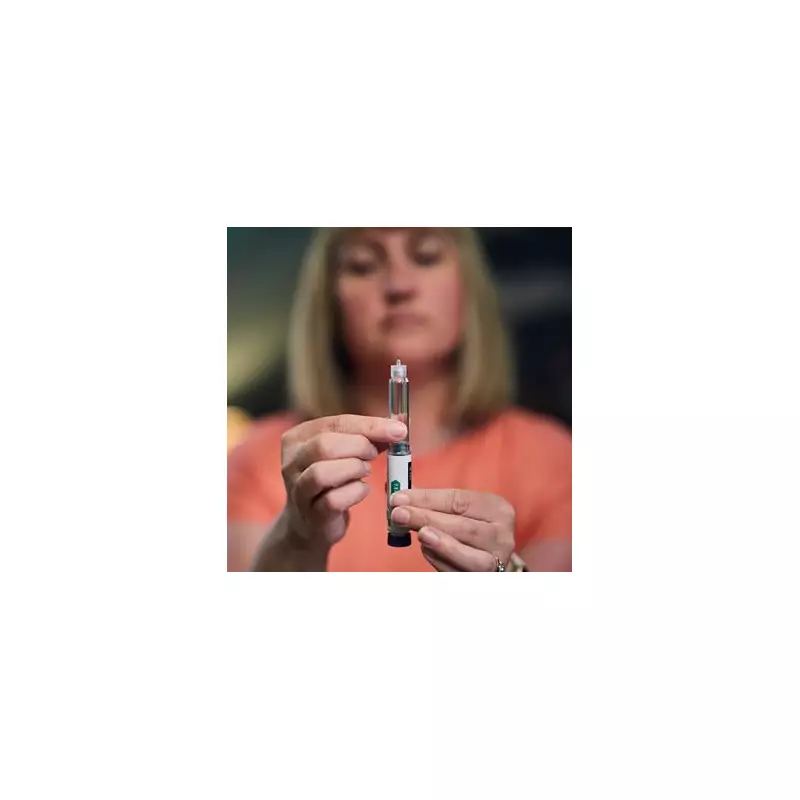
A doctor has issued a stark warning to individuals using weight loss medications, emphasising that these treatments are not a "magic" solution and require sustained lifestyle adjustments to avoid regaining weight after discontinuation.
The Reality of GLP-1 Inhibitors
In a recent video shared on TikTok, Dr Karan Rajan, widely known online as Dr Raj, highlighted the limitations of GLP-1 inhibitors. These medications, which include options like liraglutide and semaglutide available on the NHS for eligible patients, function by reducing appetite. However, Dr Rajan stressed that they do not permanently alter one's biology or cure obesity.
Weight Regain Risks
Referencing an analysis of over 9,000 people, Dr Rajan explained that those who stop taking newer GLP-1 inhibitors typically regain weight at a rate of approximately 0.8 kilograms or 1.8 pounds per month. On average, this can lead to a return to baseline weight within about 1.5 years. He clarified that this weight gain is not a failure of the drugs themselves, which perform as intended while in use, but rather reflects the chronic and relapsing nature of obesity.

Dr Rajan stated: "This weight gain isn't a failure of the drugs, they do exactly what they were designed to do whilst you take them. It reflects the nature of obesity as a chronic relapsing condition and perhaps this is a cautionary tale for short-term use without a more comprehensive approach to weight management."
The Necessity of Lifestyle Changes
To maintain weight loss after using GLP-1 inhibitors, Dr Rajan asserted that continuing a healthy lifestyle is non-negotiable. He compared these medications to treatments for conditions like high blood pressure or eczema, where some individuals may need ongoing medication, while others manage with occasional or no drugs based on their specific circumstances.
"When you remove the signal provided by a GLP-1, biology reverts back to default settings and obesity biology is powerful," he explained. "An uncomfortable truth you need to know is that GLP-1s aren't cures and they don't magically fix weight loss. They simply act like blood pressure pills or statins - if you stop the medication, you lose the effect."
Key Factors for Long-Term Success
Dr Rajan identified several critical factors that must be addressed alongside medication to improve long-term health outcomes, including:
- Muscle mass maintenance
- Behavioural adjustments
- Quality sleep patterns
- Adequate fibre and protein intake
- Stress management
- Insulin sensitivity improvements
NHS-Approved Weight Management Medications
The NHS approves only specific weight management medicines for use, which should always be taken under medical supervision. These include:
- Orlistat
- Liraglutide
- Semaglutide
- Tirzepatide
The NHS advises that these medications must be combined with a reduced-calorie diet and increased physical activity. It is crucial never to use such medicines without a prescription, as they may pose serious side effects for some individuals.
Obesity Statistics and Support
According to NHS figures from 2022, 29% of adults in England were classified as obese, with an additional 64% overweight. For those concerned about their weight, general practitioners can provide guidance on safe weight loss through diet and exercise. They may also refer patients to specialist services, such as local NHS weight management programmes or the NHS Digital Weight Management Programme, for more intensive support.
In summary, while GLP-1 inhibitors offer effective short-term weight loss assistance, they require a committed, long-term approach to lifestyle changes to sustain results and manage obesity as a chronic condition.