Glaucoma Cases Predicted to Increase by 60% Across the UK by 2060
New research has revealed a concerning projection for eye health across the United Kingdom. Cases of glaucoma, a common eye condition that can lead to blindness if left untreated, are expected to increase by a staggering 60% by the year 2060. This significant rise highlights the growing public health challenge posed by this often-silent disease.
Current Prevalence and Future Projections
Researchers from University College London and Moorfields Eye Hospital have conducted a comprehensive study using the latest census data. Their findings, published in the British Journal of Ophthalmology, estimate that approximately 1.1 million people in the UK currently live with glaucoma. This represents about 3% of the population aged over 40.
Based on population projections from the Office for National Statistics, the study predicts this figure will rise dramatically to 1.6 million by 2060. These numbers underscore the critical importance of regular eye examinations and early detection strategies to combat this growing health issue.

Understanding Glaucoma: What Is It?
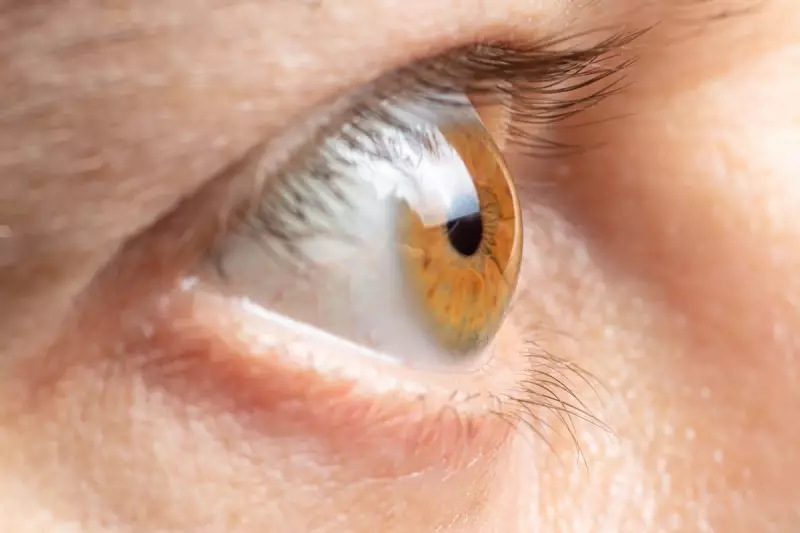
Denise Voon, clinical adviser at The College of Optometrists, explains that glaucoma is a group of diseases in which the optic nerve is damaged by pressure from the fluid inside the eye. This condition can affect one or both eyes and, without proper treatment, can lead to significant sight loss.
There are several different types of glaucoma, but the two most common forms are:
- Chronic glaucoma: This develops slowly and is the most prevalent form in the UK
- Acute glaucoma: Also known as acute angle-closure glaucoma, this is caused by a rapid increase in eye pressure
Risk Factors: Who Is Most Vulnerable?
While anyone can develop chronic glaucoma, certain factors significantly increase the risk. According to Voon, these include:
- Being over 40 years old
- Having severe short-sightedness
- Being of African or Caribbean origin
- Having a close relative (parent, sibling) with chronic glaucoma
- Having known raised pressure in the eyes
- Being diabetic
- Having high blood pressure
For acute glaucoma, women tend to be more susceptible. Additional risk factors include:
- Being over 40
- Being of East Asian or South Asian origin
- Having a family history of close-angle glaucoma
- Being long-sighted due to having smaller eyes
The Seriousness of Glaucoma and Vision Loss
Both types of glaucoma can lead to irreversible sight loss if left untreated. Voon warns that in the very late stages of untreated glaucoma, patients may experience tunnel vision. This occurs as peripheral vision gradually decreases until only the central part of vision remains.
Recognising Symptoms: What to Look For
The symptoms of glaucoma vary significantly between the acute and chronic forms:
For acute glaucoma, symptoms are usually quite obvious and may include:
- Pain, aching, or discomfort in the eye
- Blurred vision, often with halos around lights
- Pupils that get larger in dark conditions
- Red eye and tenderness around the eye
- Seeing rainbow-coloured circles around bright lights
- Nausea, vomiting, and/or headaches
The NHS website lists these as key signs to watch for. However, with chronic glaucoma, there are typically no symptoms in the early stages. The only reliable way to detect it is through regular visits to an optometrist.
Diagnosis and Treatment Options
Optometrists use various tests to diagnose glaucoma, including:
- Intraocular pressure tests (tonometry): To check pressure inside the eyes
- Optic disc examination: To look for structural changes in the nerve connecting the eye to the brain
- Visual fields tests: To assess peripheral vision and detect any changes
Treatment depends on how sight is affected and the type of glaucoma. Eye drops are generally the first line of treatment, but various surgical and laser treatments are also available to help reduce pressure and improve fluid drainage.

Prevention and Early Detection
Currently, there is no known way to prevent glaucoma. Voon emphasises that the best approach is regular eye testing. Early detection through routine examinations allows for timely treatment, which can prevent the condition from worsening and leading to sight loss.
As glaucoma cases are projected to increase significantly in the coming decades, public awareness of symptoms and risk factors, combined with regular eye check-ups, will be crucial in managing this growing health concern across the UK population.