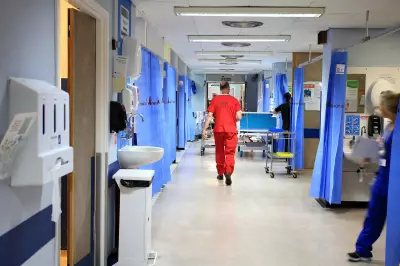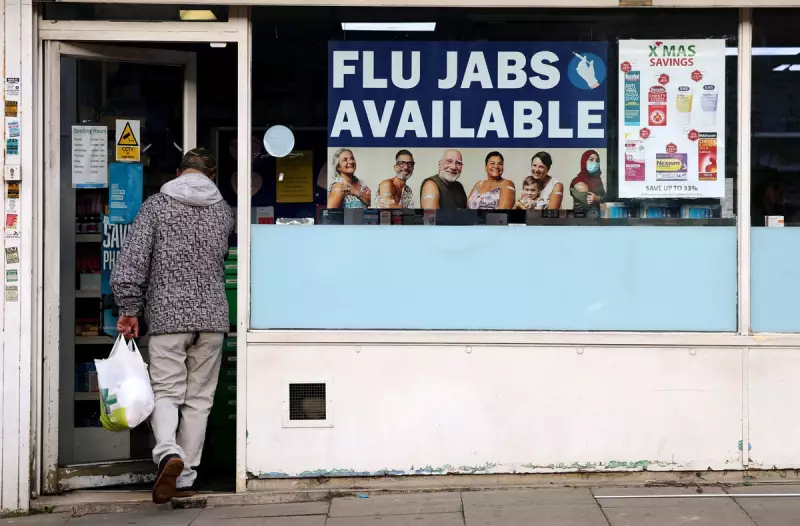
Britain is facing a prolonged and challenging flu season, with experts warning the nation is "a long way from the end" of the outbreak. The situation is piling significant pressure on the NHS, which is also contending with industrial action by doctors.
Stubbornly Stable Rates Among Most Vulnerable
Leading epidemiologists have issued a stark warning that while overall flu rates may be declining, infection levels among the over-85s are proving "stubbornly stable." This age group is the most vulnerable to severe complications from the virus. The dominant strain this season is H3N2, specifically Subclade K viruses, to which older adults have less natural immunity, making them particularly susceptible.
Data from the first week of January 2026 shows that hospital admissions for influenza have actually increased, driven primarily by cases in the over-85 demographic. This trend is causing deep concern among health officials and frontline staff.

Perfect Storm of Cold Weather and Return to Routine
Experts anticipate a potential further surge in cases. They cite a combination of factors including the recent cold weather and the mass return to schools and workplaces following the Christmas and New Year break. These conditions are ideal for the spread of respiratory viruses like flu.
Despite the concerning figures, there is a key public health message of reassurance. The UK Health Security Agency (UKHSA) has confirmed that this year's flu vaccine is effective against the circulating H3N2 strain. They are strongly urging all eligible individuals who have not yet done so to get vaccinated as soon as possible to bolster their protection.
NHS Under Intense Pressure
The ongoing flu wave has created what Shadow Health Secretary Wes Streeting described as some of the "worst pressure" on the National Health Service. This pressure is being acutely felt in hospitals and is compounded by the disruption caused by ongoing strikes by junior doctors and consultants.
The confluence of high seasonal illness and industrial action presents a severe test for the health service's resilience during the traditionally difficult winter months. Health leaders are urging the public to use services appropriately and to take preventive measures, such as vaccination and good hygiene, to help curb the spread.