According to a prominent neurologist, scheduling routine health appointments such as blood pressure monitoring, staying current with vaccinations, and caring for your eyes and ears could be among the most effective strategies to prevent dementia. Experts have consistently emphasised that dementia is not an inevitable consequence of aging, with research suggesting that approximately 50 per cent of cases could be avoided through straightforward lifestyle adjustments.
Evidence-Based Recommendations for Dementia Prevention
In a recent consensus published earlier this year, specialists detailed 56 evidence-based recommendations aimed at drastically cutting dementia risk. These include addressing hearing loss, managing high blood pressure, reducing social isolation, and enhancing public health communication. This review builds upon findings from the 2024 Lancet commission, which identified 14 modifiable risk factors for dementia. However, experts argue that these factors are still not being tackled sufficiently at a population level.
Dr Faye Begeti, a neurologist at Oxford University Hospitals, was consulted by the Daily Mail to advise on which appointments individuals should prioritise to safeguard brain health and delay the onset of this devastating memory-robbing condition. While dementia is typically diagnosed in later life, Dr Begeti explains that 'things have been happening in the brain for at least a decade before symptom onset'. Many people fear that dementia strikes randomly with little warning, but Dr Begeti asserts that several major risk factors are actually within our control.

Five Essential Appointments to Preserve Brain Health
Dr Begeti highlighted five key appointments that can help maintain cognitive function and postpone dementia:

- Get Your Blood Pressure Checked: Managing high blood pressure is one of the simplest ways to ward off or delay dementia. Research indicates that individuals who successfully lower their high blood pressure experience a 15 per cent reduced risk of developing dementia. Hypertension is linked to an increased risk of stroke and vascular dementia, where narrowed arteries restrict blood flow to the brain. In some cases, weakened artery walls can lead to micro-hemorrhages, often undetected until significant damage occurs. Dr Begeti recommends that everyone monitor their blood pressure from age 30, as once damage accumulates, delaying symptoms becomes challenging. She advises home monitoring to avoid white coat syndrome and suggests lifestyle changes like reducing alcohol intake and quitting smoking.
- Visit the Opticians: Studies show that deteriorating vision is associated with a higher likelihood of memory and decision-making impairments, early signs of dementia. Experts believe that reduced sensory input can cause brain regions processing vision to deteriorate. Additionally, vision or hearing loss may lead to social isolation, further depriving individuals of cognitive stimulation. Dr Begeti stresses the importance of proactive measures, such as regular vision tests and wearing glasses when needed, to build cognitive reserve and delay dementia onset.
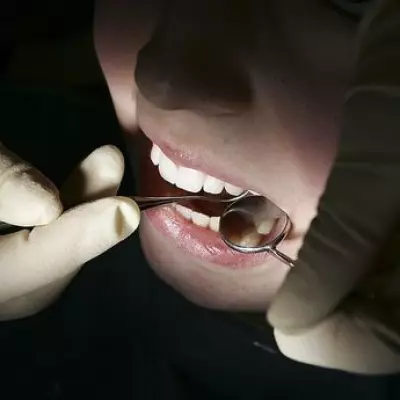
- Schedule an Appointment with Your Dental Hygienist: Poor oral health is increasingly connected to inflammation and infection throughout the body, with research suggesting a significant impact on brain health. The link between oral bacteria, which accumulates without regular flossing, and dementia is particularly compelling. US researchers found that people with gum disease and cavities are 86 per cent more likely to suffer an ischemic stroke, and gum disease is associated with damage to the brain's white matter, affecting memory and thinking. Good oral hygiene, including brushing three times daily, may help prevent over 50 diseases, including dementia.
- Get Vaccinated: Growing evidence suggests that the shingles vaccine could reduce dementia risk by up to half in individuals over 50. This vaccine, known to benefit heart health, may help lower the risk of vascular dementia by improving blood flow to the brain. Experts are investigating the connection between the varicella-zoster virus, which causes chickenpox and shingles, and dementia through immune system changes. The virus can remain dormant and reactivate in older adults, causing brain inflammation and irreversible damage. Inhibiting the virus through vaccination could reduce dementia risk, and if proven effective, the vaccine might be fast-tracked for NHS use as a cost-effective option to delay symptoms.
- Look After Your Ears: A simple hearing test can significantly reduce dementia risk later in life. Dr Begeti advises protecting hearing with ear protection and booking a test if hearing worsens. Hearing aids can restore dementia risk to baseline levels, as untreated hearing loss can lead to brain shrinkage. The hearing area of the brain is adjacent to the memory region, explaining why hearing loss is a major risk factor. This ties into building cognitive reserve; hearing loss often leads to social isolation, another key risk factor for dementia.
By prioritising these appointments, individuals can take proactive steps to enhance brain health and potentially delay the onset of dementia, leveraging evidence-based strategies to mitigate risk factors within their control.