Historic Birth Following Deceased Donor Womb Transplant in the UK
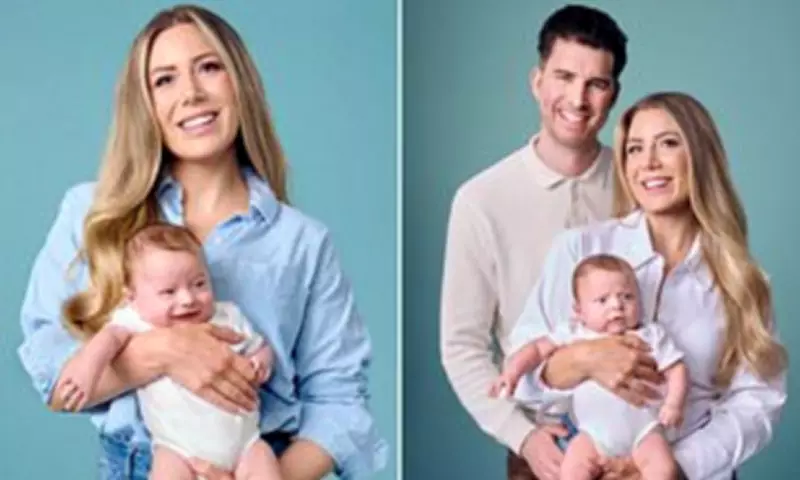
As Grace Bell cradled her newborn son Hugo for the first time, tears streamed down her face. "I love you so much," she whispered to the infant. "I have been waiting for you for so long." This poignant moment marked the culmination of an extraordinary medical journey, making Grace the first British woman to give birth after receiving a womb transplant from a deceased donor.
The Dramatic Delivery at Queen Charlotte's Hospital
Hugo Richard Norman Powell entered the world at 5pm on December 10 last year at Queen Charlotte's & Chelsea Hospital in London, weighing 6lb 13oz. The delivery wasn't without significant drama. Grace had developed pre-eclampsia, a sudden onset of high blood pressure that can prove fatal for both mother and baby, necessitating delivery at just under 36 weeks.
Key members of the medical team had to be urgently summoned from Glasgow, where they were attending a conference, arriving in the operating theatre with mere minutes to spare. Their presence was crucial in case the transplanted womb needed immediate removal during the procedure.

Overcoming Mayer-Rokitansky-Kuster-Hauser Syndrome
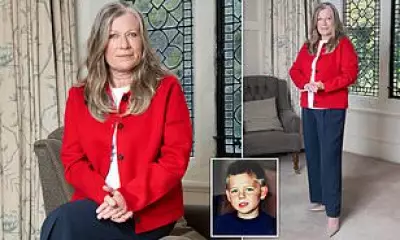
Grace's journey to motherhood began with a devastating diagnosis at age 16. A scan revealed she had Mayer-Rokitansky-Kuster-Hauser (MRKH) syndrome, a condition affecting approximately 15,000 women in the UK that leaves them with an underdeveloped or absent uterus, though ovaries develop normally. "My entire life changed that day," Grace recalls. "I locked myself in the loo and felt as if the weight of the world came down on me."
The emotional toll was immense. "Even on good days it would hang over me; the fact that I couldn't carry a baby was always somewhere in my mind," she says. Simple things like seeing a pram in the street or a tampon advertisement could trigger profound sadness.
The Path to Transplantation
Grace first contacted Womb Transplant UK in June 2018, before meeting her partner Steve Powell. The charity, founded by Professor Richard Smith of Imperial College Healthcare NHS Trust, has permission to complete a trial involving womb transplants from both living and deceased donors.
In October 2023, Grace received the unexpected call that would change her life. "I was speechless, and put the phone down in shock," she remembers. The timing was perfect, as she and Steve had already created four healthy embryos through IVF treatment.
The Complex Surgical Procedure
The transplantation process began with a three-hour operation to retrieve the donor womb, which was then transported on ice to Oxford's Churchill Hospital. At 5am the following day, a ten-hour operation commenced to implant the womb, requiring a team of twenty medical professionals.
Surgeons connected four veins and two arteries from the donor womb to Grace's blood vessels using stitches the width of a human hair. "I remember waking up in the recovery area and I asked the nurse: 'Do I have a uterus?'" Grace recalls. "She said 'yes' and I felt this enormous sense of relief."
Pregnancy and Emotional Challenges
After successful embryo transfer in March last year, Grace faced a pregnancy unlike any other. She required fortnightly scans at Queen Charlotte's Hospital and regular checks in Oxford to monitor her anti-rejection medication regimen. One of the most difficult aspects was maintaining secrecy about her pregnancy due to the experimental nature of the procedure.
"Normally at 12 weeks you post it on Instagram and tell all your friends," Grace explains. "But I could not do that. My immediate family knew and my boss and I told my closest friends, but no one else."
Gratitude and Reflection
Grace remains deeply conscious of the donor family's sacrifice. "I think about the donor and her family every day," she says, her voice trembling with emotion. "Sometimes it really, really hits me about the pain that they must have gone through."
The donor family has requested anonymity, and Grace knows nothing about the woman whose womb she received. She understands that specific permission was required, as wombs are not among organs automatically considered for transplantation.

Medical Controversy and Support
Not everyone supports womb transplantation procedures. Critics argue that, unlike most other transplants, they're not life-saving operations, though the £30,000 procedures are funded by the Womb Transplant UK charity.
Professor Smith defends the program passionately: "The critics haven't sat and talked to these women who have no viable womb and whose lives have been torn apart by their longing for a child. If you have any compassion you can't help but understand why we are doing what we do."
Life After Transplantation
The donated womb can remain in place for one more pregnancy or for five years, after which it will be removed due to increased risks associated with long-term anti-rejection medication. Grace hasn't decided whether they will try for another child.
Reflecting on her journey, Grace says: "Every year on my birthday, when people told me to make a wish as I blew out my candles, I would wish to have a baby – but part of me thought that's a wasted wish as it will never come true. But this birthday I didn't make a wish, because with Hugo here, I couldn't wish for more."
Grace is only the second woman in the UK to carry a baby following a womb transplant, following Grace Davidson who gave birth last year after receiving her older sister's womb. The two women met by chance during a hospital check-up and have since formed a supportive bond, united by their unique experiences.