Experts Dismiss RFK Jr's Assertion of Keto Diet as Schizophrenia Cure
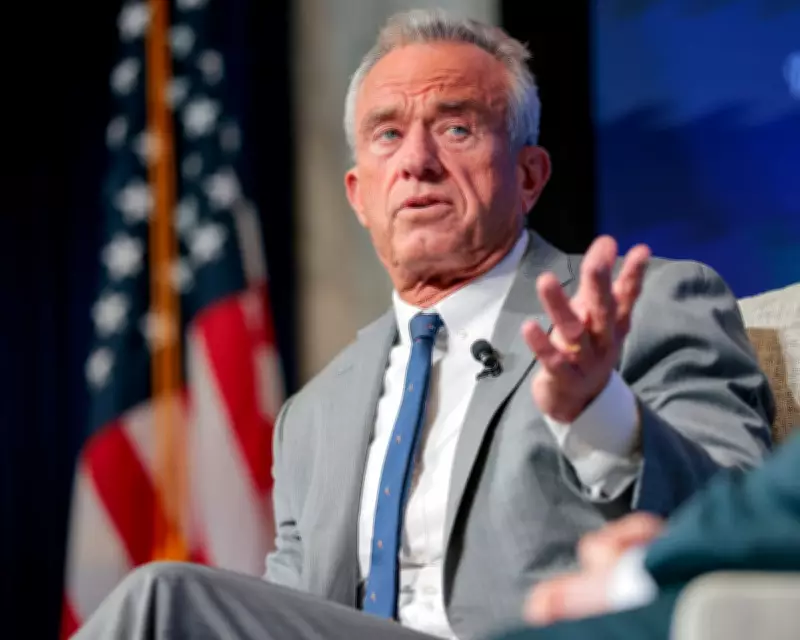
Health and Human Services Secretary Robert F Kennedy Jr has faced significant backlash from psychiatric experts following his claims that a ketogenic diet can cure schizophrenia. Speaking at The Heritage Foundation in Washington on 9 February 2026, Kennedy Jr promoted his "new food pyramid," which advocates for increased red meat and dairy consumption, and referenced keto's purported curative powers for mental health conditions.
Harvard Psychiatrist Clarifies Position on Keto Treatment
Kennedy Jr's statements likely alluded to Dr Christopher Palmer, a Harvard psychiatrist, who has researched the ketogenic diet's effects on mental health. However, Palmer has explicitly stated that he has never used the word "cure" in his work. "I have never claimed to have cured any mental illness, including schizophrenia," Palmer emphasized. He added that while keto may be a powerful treatment, inducing remission of symptoms, it is not a definitive cure.
The evidence supporting keto's potential benefits for schizophrenia stems from two case reports published by Palmer in Schizophrenia Research in 2019. These reports detailed two women, aged 39 and 82, with long-term schizophrenia who experienced symptom improvement while on a ketogenic diet for other reasons, such as gastrointestinal distress and weight loss. Both patients eventually discontinued their schizophrenia medications, but Palmer warned against unsupervised cessation, citing a catastrophic outcome for one patient who became severely psychotic and required hospitalization.

Ongoing Research and Clinical Trials into Keto's Efficacy
Despite the limited evidence from case reports, interest in the ketogenic diet for psychiatric conditions is growing. Palmer noted that approximately 20 controlled trials are currently investigating keto's efficacy for a range of disorders, including schizophrenia and bipolar disorder. These studies aim to address the negative side effects associated with traditional medications and explore keto's potential therapeutic benefits.
Scientists are delving into the biological mechanisms behind keto's effects, with a focus on mitochondrial function. Dr Deanna Kelly, a psychiatry professor at the University of Maryland School of Medicine, explained that keto alters mitochondrial fuel usage, shifting the body into ketosis, where fat is burned instead of glucose. Concurrently, researchers at the University of Edinburgh are using brain imaging to study how keto influences brain activity, with early findings suggesting correlations between changes in glutamate levels and symptomatic improvement.
Practical Challenges and Political Polarization Surrounding Keto Diets
While keto shows promise, practical challenges remain. The diet is restrictive, eliminating staples like rice and bread, and can be expensive and difficult to maintain long-term. Clinical trials typically last only weeks to months, raising questions about patient adherence. Sydney Murray, a postdoctoral researcher in Kelly's lab, highlighted that individual variations in fat-to-carb ratios may allow for more relaxed approaches, but the feasibility of "cheat days" is still unknown.
Palmer expressed frustration over the politicization of his work, urging against partisan divides. "If we continue in these polarized camps of 'Well, that's a Republican treatment, or keto for schizophrenia is an RFK Jr treatment, therefore I want nothing to do with it,' ... we're never going to make progress as a field," he stated. This call for depoliticization underscores the need for evidence-based discourse in mental health research.