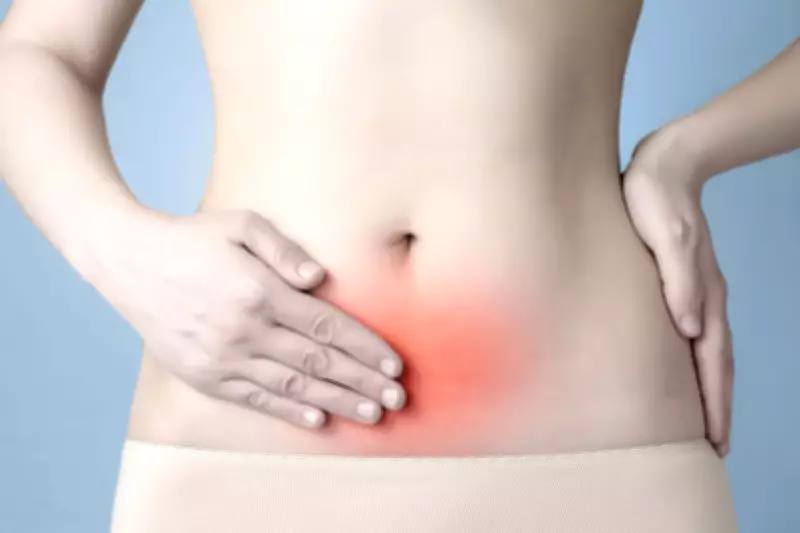
Endometriosis: Three Women Share Their Painful Truths Ahead of Awareness Month
As Endometriosis Awareness Month approaches in March, three women have come forward to shed light on the harsh realities of living with this debilitating condition. Endometriosis is far more than just having bad periods; it involves heavy bleeding, agonising abdominal pain, and fatigue that can flare at any time, severely impacting work, school, and family life.
Affecting one in ten women in the UK, endometriosis occurs when cells similar to those in the womb lining appear elsewhere in the body, causing pain, bleeding, scarring, and inflammation. With no known cause or cure, it does not discriminate, and Endometriosis UK estimates around 1.5 million people in the UK are living with it.
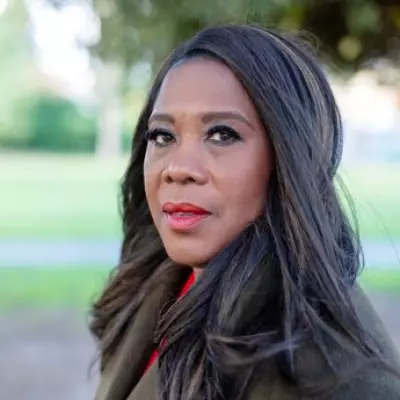
Zainab Kaleemullah: A Lifelong Struggle
Zainab Kaleemullah, a 36-year-old civil servant from Birmingham, has endured endometriosis symptoms since her early teens but was not formally diagnosed until November 2022. After a laparoscopy, she was told she had severe endometriosis, with many of her reproductive organs "squashed and stuck together." She also suffers from adenomyosis, where the womb lining grows into the muscle walls.

As a teenager, she experienced extremely painful heavy bleeding, often sleeping on a plastic sheet to manage leaks. "It was very embarrassing, particularly in the south Asian community, as talking about periods is very taboo," she says. This led to feelings of isolation and self-consciousness, with regular bleeding through her clothes affecting her school and university life due to debilitating fatigue.
Kaleemullah highlights key points she wishes more people knew:
- Severe pain is not normal: Periods should not impact social life, mental health, or academic performance to such an extent.
- Fertility is possible: Despite associations with fertility problems, an estimated 60-70% of sufferers can conceive naturally.
- Mental toll is real: The condition affects mental health profoundly, and support from others with endometriosis has been crucial for her.
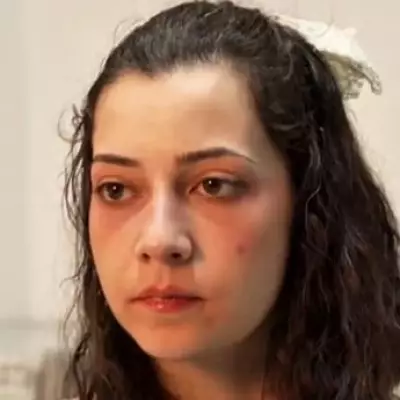
Natalie Greenwood: Fighting for Recognition
Natalie Greenwood, a 36-year-old teacher in Halifax, was diagnosed with endometriosis in 2013 after experiencing sharp bladder pain. She has undergone three laparoscopies, two flexible sigmoidoscopies, and been in chemical menopause three times. When she first visited her GP, she was told it was "a pretty long journey" and advised to manage it until she wanted children.
Greenwood pushed for a second opinion and received a swift diagnosis, contrasting with the average eight years and ten months many sufferers face. She finds fatigue and low energy the most debilitating aspects, making full-time work a struggle.
She expresses frustration with the lack of understanding and misinformation from medical professionals. "Being told to get pregnant or go away and manage it is disheartening," she says. Greenwood advises keeping a symptom diary to present at appointments, as evidence is often necessary to be heard.
She emphasises that pregnancy and menopause do not cure endometriosis, and a diagnostic laparoscopy is the only definitive way to diagnose it, not just an ultrasound scan.
Jenni Johnson: A Life-Altering Condition
Jenni Johnson, 38, from Nottinghamshire, had a total hysterectomy at age 34 after endometriosis symptoms began when she was 13/14. She experienced extreme pain, blood loss, migraines, and loss of mobility in her right leg, often collapsing at work. Despite trying various birth controls, she received little support until her condition was discovered while trying to conceive at 23.
Now relying on crutches, Johnson describes endometriosis as an everyday condition, not just monthly. "It can start anywhere inside the body and attack organs, fusing them together like a spiderweb," she explains. She notes that some sufferers require stoma bags or catheters due to organ damage, highlighting the severity of the condition.
Johnson calls for medical professionals to listen more to patients and for surgeons beyond gynaecology to have a better understanding of endometriosis. "We need more education and awareness around the condition and how to approach it," she urges.

As Endometriosis Awareness Month nears, these stories underscore the urgent need for greater awareness, improved medical training, and compassionate care for those living with this chronic condition.