Endometriosis: A Debilitating Condition Often Overlooked for Years
Endometriosis is a profoundly debilitating condition that extends far beyond the experience of mere "bad periods." Its symptoms, including heavy bleeding, agonising abdominal pain, and chronic fatigue, can flare at any time, not exclusively during menstruation, often crippling an individual's work, education, and family life. Affecting one in 10 women, with potentially life-long consequences, endometriosis occurs when cells similar to those found in the womb lining appear elsewhere in the body, causing pain, bleeding, scarring, and inflammation. With no known cause and no known cure, it does not discriminate, impacting an estimated 1.5 million people across the UK, according to Endometriosis UK.
Zainab Kaleemullah: Two Decades of Suffering Before Diagnosis
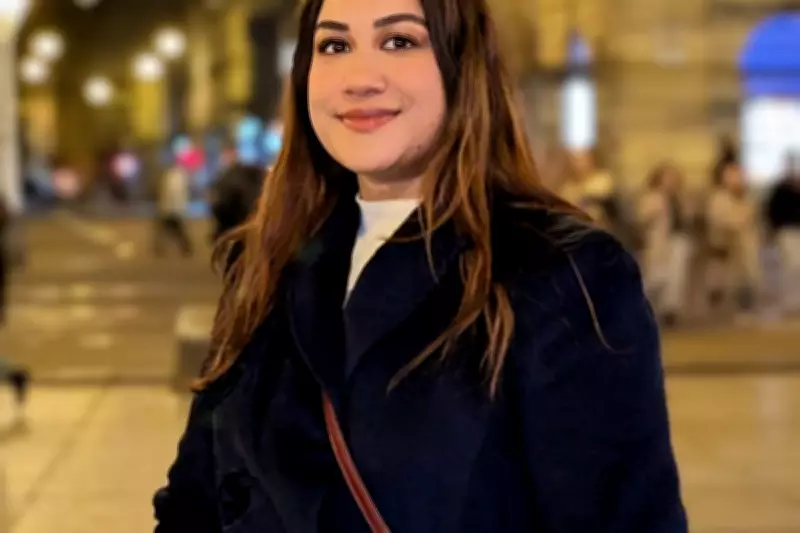
Zainab Kaleemullah, 36, a civil servant from Birmingham, has endured endometriosis symptoms since her early teens but was not formally diagnosed until November 2022. Following a laparoscopy, she was told she had severe endometriosis, with many of her reproductive organs "squashed and stuck together." She also has adenomyosis, where the womb lining grows into the muscle walls. As a teen, she experienced "extremely painful heavy bleeding," often sleeping on a plastic sheet to manage leaks, which left her feeling isolated and self-conscious, especially in her south Asian community where periods are taboo.
Kaleemullah highlights that severe pain and periods impacting social life, mental health, and school performance are not normal. She emphasises that endometriosis does not necessarily lead to infertility, with 60-70% of sufferers able to conceive naturally, and stresses the significant mental toll alongside physical pain.

Natalie Greenwood: Fighting Misinformation and Fatigue
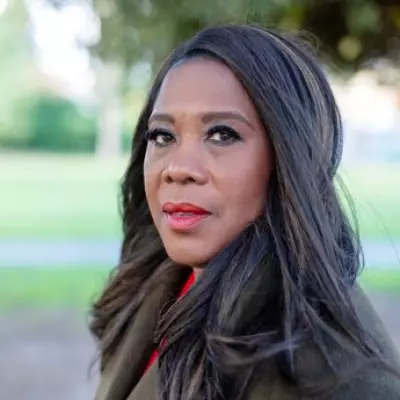
Natalie Greenwood, 36, a teacher in Halifax, began experiencing sharp bladder pain and was diagnosed with endometriosis in 2013. She has since undergone multiple surgeries and chemical menopause treatments. When she first visited her GP, she was told to manage the condition until she wanted children, but she sought a second opinion and received a swift diagnosis. Greenwood finds the fatigue and low energy most debilitating, making full-time work a struggle.
She expresses frustration at the lack of understanding among medical professionals, noting that sufferers often know more about the condition than their doctors. Greenwood advises keeping a symptom diary to advocate effectively during appointments, as pregnancy or menopause do not cure endometriosis, and only a diagnostic laparoscopy provides a definitive diagnosis.
Jenni Johnson: From Hysterectomy to Crutches
Jenni Johnson, 38, from Nottinghamshire, had a total hysterectomy at age 34 after endometriosis symptoms began in her teens. She experienced extreme pain, mobility loss in her leg, and blackouts, leading her to leave work. Now relying on crutches, Johnson emphasises that endometriosis is an everyday condition, not just monthly, capable of attacking organs like a spiderweb and causing severe damage requiring stoma bags or catheters.
She calls for medical professionals to listen better and for broader education beyond gynaecology, as the condition's seriousness is often underestimated.
The Urgent Need for Awareness and Support
As Endometriosis Awareness Month approaches in March, these stories underscore the critical need for increased understanding, timely diagnosis, and compassionate care. With many suffering for years without proper support, raising awareness can help reduce the stigma and improve outcomes for those affected by this challenging condition.