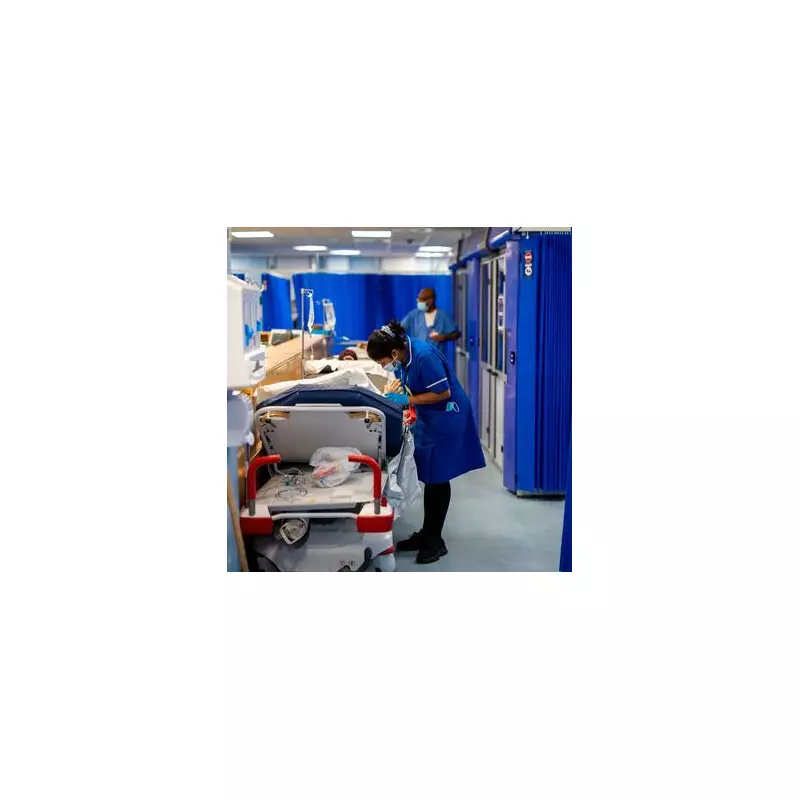
Elderly Patients Suffering 'Horrendous' Week-Long Ordeals in A&E Corridors
A devastating new report from Age UK has exposed the brutal reality facing elderly patients in Britain's overwhelmed Accident and Emergency departments, with some reportedly waiting up to a week for admission while languishing on trolleys and chairs.
Staggering 75-Fold Increase in Prolonged Waits
Freedom of Information data reveals a shocking escalation in waiting times for patients aged 65 and over. During the 2024/25 period, there were 102,000 instances where elderly patients waited between 24 and 72 hours in A&E after a decision to admit them had been made. More than half of these cases – 54,000 – involved people aged 80 or older.
This represents a staggering 75-fold increase compared to 2018/19, when patients over 65 waited between one and three days in A&E only 1,346 times. The dramatic rise highlights how corridor care has become normalised across the NHS following years of funding constraints.

'Excruciating' Personal Testimonies Reveal Human Cost
The charity's report contains harrowing first-hand accounts from elderly patients who endured what one described as "torture" while waiting for treatment.
David, 77, spent approximately 30 hours in A&E: "Every joint was aching. It was excruciating, and I could barely move. They told me there were no beds, no trolleys, nothing. I was left in the reception area all night with no treatment and no one checking on me. I ended up lying on the floor. Someone gave me a coat to put under my head. I'd been awake for three nights by then. It was horrendous."
Michael, 80, was left on a trolley for 16 hours after suffering a heart attack: "I was freezing cold with no blankets or pillow. I was terrified about my heart and depressed from the cold. I didn't dare discharge myself, but it was a dreadful experience."
Jennifer, 76, waited 36 hours: "I had no washing facilities at all. I was told to wash in a toilet sink with no plug. I felt like something that had been left on the streets."
Systemic Failures and Dignity Erosion
The report documents multiple systemic failures affecting elderly patients:
- Patients left vomiting while sitting on plastic chairs or lying on floors
- Individuals developing pressure sores during prolonged waits
- Some self-discharging against medical advice because they felt safer outside hospital
- Patients reporting being exhausted, frightened, and robbed of dignity
- Basic needs like hydration being neglected, with some not even offered water
Caroline Abrahams, Age UK's director, stated: "Waiting for more than 24 hours, often on a hard chair in a corridor or other overspill area, when you are extremely unwell, in pain, probably alone, maybe fearing for your life, would be horrific at any age, let alone if you are in your eighties or beyond."
Increased Mortality Risk and Complex Care Needs
NHS data indicates that patients spending more than 12 hours in A&E are more than twice as likely to die within 30 days compared to those seen within two hours. Elderly patients are particularly vulnerable to these extended waits as they typically present with multiple, complex health conditions requiring longer assessment periods.
Ms Abrahams added: "We should all be ashamed that this is what we've come to in some hospitals, it's utterly soul destroying for doctors and nurses, and extremely frightening for older people who know they may need to go to A&E one day."
Government Response and Ongoing Challenges
While NHS England has suggested that waits recorded above three days may result from data quality issues, Age UK maintains that multiple organisations have received accounts of patients waiting longer than 72 hours – in some cases up to a week.
A Department of Health and Social Care spokesperson acknowledged the "shocking and appalling" stories, stating: "This government inherited a broken NHS with unacceptable waiting times and corridor care normalised, but we are working hard to turn things around."

The government points to nearly £450 million invested in urgent and emergency care, hundreds of thousands of additional vaccinations, new same-day emergency centres, mental health crisis facilities, over 5 million additional appointments, and a 312,000 reduction in waiting lists. They have also promised to publish corridor care data, stating that "sunlight is the best disinfectant."
However, Age UK remains unconvinced that the government fully appreciates the seriousness of the situation or possesses the necessary grip to implement meaningful change. The charity's report serves as a stark reminder of the human cost behind the statistics as Britain's most vulnerable citizens continue to bear the brunt of the ongoing NHS crisis.