A seemingly ordinary trip to collect a prescription turned into a life-saving intervention for one beauty and wellness editor, highlighting the critical importance of routine health checks. Octavia Lillywhite, aged 42, visited Boots during her lunch break, feeling the typical stresses of a busy workday—hungry, distracted, and pressed for time. When the pharmacist offered a complimentary blood pressure test, her initial refusal gave way to reluctant acceptance, a decision that would ultimately avert a potential catastrophe.
The Moment of Truth
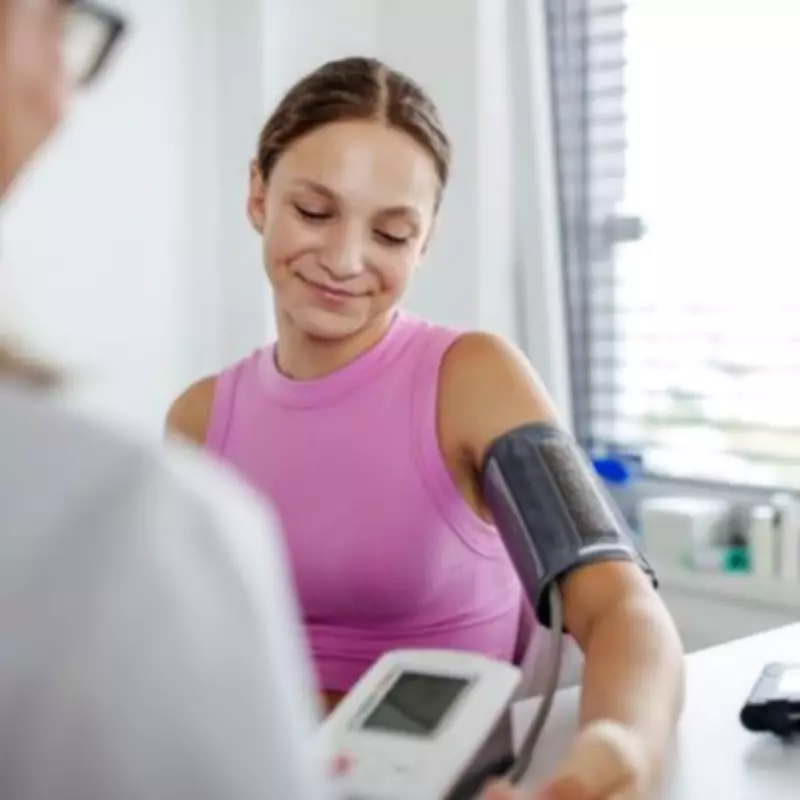
"I said no—I was only 42, after all—but then paused," Lillywhite recalls. Having previously worked as a GP receptionist, she was familiar with the frustration of patients declining free health screenings. With a sense of doing the pharmacist a favour, she agreed to the test. The Velcro cuff tightened around her arm, and the reading appeared: 210/137. "The pharmacist frowned slightly and repeated the test twice more," she notes. The result was alarming enough that the pharmacist insisted she proceed directly to A&E.
Dismissing the Danger
Lillywhite's reaction was one of disbelief. "I think I actually laughed," she admits. "I replied, 'I can't. I have to get back to work.'" The numbers 210/137 meant nothing to her, and she suspected faulty equipment. However, a lingering unease prompted her to call NHS 111 after returning to the office. The call handler's instructions were stark: take a taxi—not public transport—and have a colleague escort her. If symptoms like weakness or blurred vision emerged en route, an ambulance should be summoned immediately.

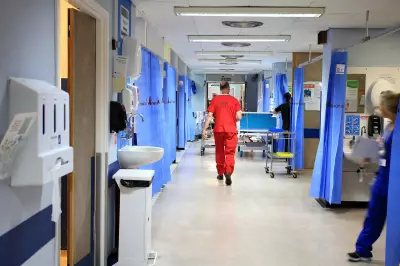
"The strangest thing was that I felt completely normal," Lillywhite emphasises. At the hospital, the severity became undeniable. Despite typical queues, she was triaged and connected to a heart monitor within ten minutes. Medical staff classified her condition as a hypertensive crisis, warning that untreated high blood pressure at such levels carries a genuine risk of stroke or permanent organ damage.
Understanding Hypertension
High blood pressure, or hypertension, is often termed the "silent killer" due to its frequent lack of symptoms. Claire Nevinson, Superintendent Pharmacist at Boots, explains: "Blood pressure is measured with two numbers. The first measures systolic pressure—the highest level when your heart pumps blood. The second measures diastolic pressure—the lowest when your heart relaxes between beats." Ideal readings fall between 90–120 systolic and 60–80 diastolic. Hypertension is generally diagnosed at 140/90 or above when checked by a healthcare professional.
Why Symptoms Go Unnoticed
"It often has no obvious symptoms, which is why it can go undetected for years," Nevinson adds. While occasional headaches, nosebleeds, or blurred vision may occur, most individuals feel nothing unusual. For many, the first indication is a catastrophic event like a heart attack or stroke. According to the British Heart Foundation, approximately five million people in the UK live with undiagnosed hypertension. Over time, untreated high pressure damages blood vessels and vital organs, elevating risks of stroke, heart disease, kidney failure, and vascular dementia.
When It Becomes an Emergency
Nevinson clarifies the threshold for urgent action: "A reading above 180/120 is treated as a medical emergency, and people would be urgently signposted to A&E." This protocol explains why pharmacists take extreme readings seriously, even if the individual feels well. Prompt assessment and treatment can dramatically reduce the risk of sudden, severe complications such as heart attacks or strokes.
Women and Hidden Risks
Hypertension is frequently misperceived as a male issue, yet it affects a substantial number of women. Around a quarter of women in the UK are estimated to have high blood pressure. Post-menopause, declining oestrogen levels correlate with a more rapid rise in blood pressure compared to men of the same age. However, risks are not confined to later life. Research from the University of Bergen in Norway found that even slightly elevated blood pressure in women in their early 40s was linked to a significantly higher risk of heart attack over the following 16 years—a risk not observed in male participants.

The Importance of Regular Checks
The NHS advises adults over 40 to have their blood pressure checked every five years, with more frequent monitoring for those with risk factors like family history, diet, or ethnicity. Free checks are widely accessible at community pharmacies, including Boots, Superdrug, Lloyd’s, and many independent chemists. Details of participating pharmacies can be found on the NHS website.
Lillywhite reflects on the ease of postponing health checks when feeling well, especially amid a hectic schedule. "I nearly did," she confesses. Now on blood pressure medication, she has adopted lifestyle changes such as reducing salt intake and increasing exercise. Her experience underscores a vital lesson: feeling fine does not guarantee everything is fine. A few minutes in a pharmacy could indeed make all the difference, transforming a routine errand into a lifesaving opportunity.