US Physicians to Develop Independent Vaccine Guidelines for Winter Viruses
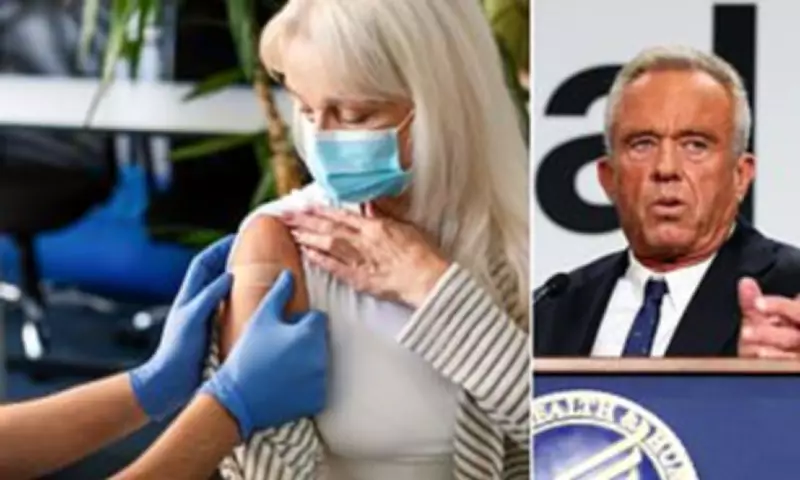
American doctors may soon be recommending winter flu shots based on independent medical advice rather than federal government directives. For decades, the Centers for Disease Control and Prevention's expert panel, known as the Advisory Committee on Immunization Practices (ACIP), has determined who should receive annual vaccinations against respiratory viruses including influenza, Covid-19, and respiratory syncytial virus (RSV).
New Independent Review Process Launched
The American Medical Association, representing the largest physician organization in the United States, has initiated its own independent review process to evaluate vaccine safety and effectiveness for the upcoming winter virus season. The AMA announced it would collaborate with the Vaccine Integrity Project to establish "a structured, evidence-based review process to assess vaccine safety and effectiveness for the 2026–27 respiratory virus season."
While federal regulators at the Food and Drug Administration will continue to determine whether vaccines are sufficiently safe and effective for use in the United States, AMA representatives emphasized that their new review process is necessary to ensure the country maintains "a transparent, evidence-based process by which vaccine recommendations are made."

Background of Controversial Federal Decisions
This development follows a series of controversial vaccine recommendations from the ACIP, which was reappointed by Health and Human Services Secretary Robert F. Kennedy Jr. These decisions have raised concerns among many healthcare professionals. In December, the committee voted to discontinue the universal recommendation that all newborns receive the hepatitis B vaccine at birth.
In September, the panel further voted to end recommendations for the combined measles and chickenpox vaccine. Additionally, they determined that the Covid-19 vaccine should no longer be universally recommended for individuals aged six months and older, instead suggesting administration based on "individual decision-making."
Federal officials have defended these changes, arguing that certain viruses pose lower risks to specific demographic groups and that these adjustments align the United States more closely with practices in other developed nations. However, critics have warned that such decisions could potentially lead to increased cases of preventable illnesses, additional deaths, and erosion of public confidence in health authorities.
Current Vaccine Landscape and Usage Statistics
Updated versions of influenza, Covid-19, and RSV vaccines are distributed annually across the United States to provide protection against evolving viral strains. Previously, Covid-19 and flu vaccines were recommended for everyone aged six months and older, while RSV vaccination was advised for all adults over 75, and those over 50 with specific underlying health conditions.
Data indicates approximately 120 million Americans receive the annual flu shot, representing about 46 percent of the adult population. Meanwhile, 45 million individuals, or 17 percent of adults, receive the annual influenza vaccination, and 12.8 million adults over 60 years old obtain the RSV vaccine each year.
Structure of the AMA's New Review Initiative
In its Tuesday announcement, the AMA detailed that after convening representatives from various medical organizations and public health bodies, their team would analyze comprehensive vaccine data to understand risks and benefits across all population groups, including children and pregnant women. The resulting data would then be provided to medical organizations to assist in developing and disseminating guidance about who should receive specific vaccinations.
This guidance will specifically address recommendations for pregnant women, children, older adults, and individuals with compromised immune systems. The AMA stated that while their review process mirrors federal government methodology, they believe the official process has now "effectively collapsed."

Medical Leaders Emphasize Evidence-Based Approach
Dr. Sandra Fryhofer, an AMA Trustee, emphasized in a statement: "It is our duty as healthcare professionals to work across medicine, science and public health to make sure the US has a transparent, evidence-based process by which vaccine recommendations are made. Together, we are committed to ensuring the American public has clear, evidence-based guidance that inspires confidence when making important vaccination decisions."
Dr. Michael Osterholm, an infectious diseases expert at the University of Minnesota, added: "Respiratory viruses hospitalize and kill tens of thousands of Americans every year, and vaccine decisions must be guided by facts, not politics or ideology. Our goal is to build on our efforts to restore peace of mind for clinicians and patients by ensuring that experts are continuously evaluating vaccine safety and effectiveness using transparent, evidence-based methods."
Distinction from Other Independent Initiatives
The AMA initiative is separate from the West Coast Health Alliance and Northeast Public Health Collaborative, which were established by Democrat-leaning states in September 2025 to provide alternative vaccine recommendations nationwide. Traditionally, the ACIP announces its annual recommendations for influenza, Covid-19, and RSV vaccines in late summer or early August to coincide with the release of updated vaccine formulations.
Recent Regulatory Developments and Vaccine Impact Data
Earlier this month, the FDA declined to review a new potential mRNA influenza vaccine from Moderna, citing concerns about the company's scientific data. This vaccine utilizes the same technology employed in Covid-19 vaccines. According to CDC estimates, influenza vaccination alone prevented nearly 10 million illnesses, approximately 120,000 hospitalizations, and close to 8,000 deaths during the 2023–24 season.
Despite these successes, nearly 300 children died from influenza during the last flu season, with the overwhelming majority being unvaccinated. Covid-19 vaccination continues to significantly reduce hospitalization risks among older adults and other high-risk populations, while RSV immunization demonstrates strong protective results for both older adults and the youngest Americans.