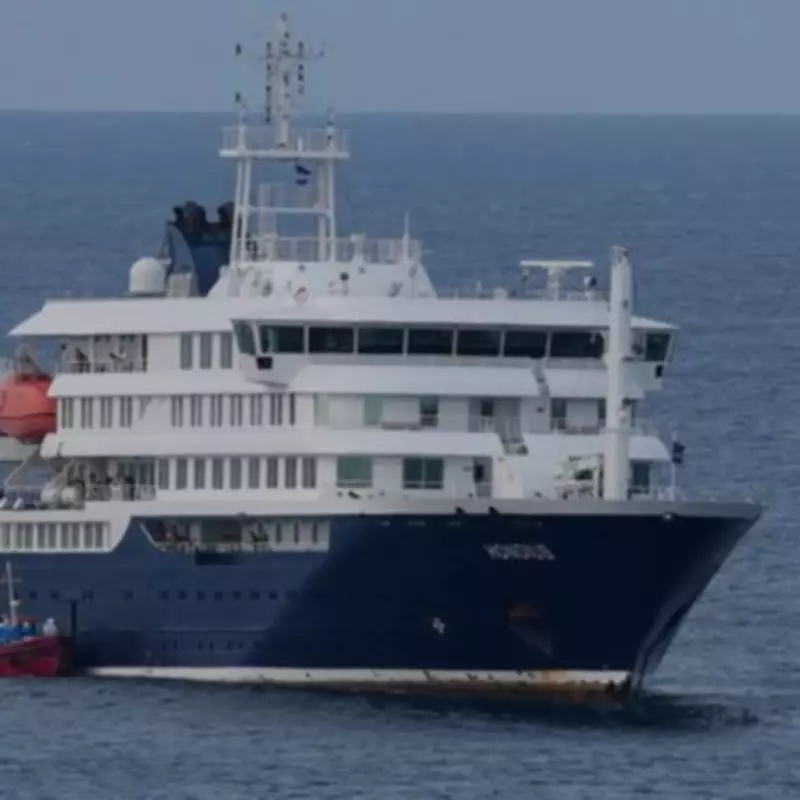
A cruise ship where three people have died following a viral outbreak is en route to the Canary Islands after a British crew member and two others were evacuated for emergency treatment. Martin Anstree, a 41-year-old Dutch colleague, and a 65-year-old German were airlifted from the MV Hondius on Wednesday. This follows an outbreak of hantavirus linked to a birdwatching expedition in Argentina, which has claimed three lives.
Doctor's Insights on Hantavirus
US emergency doctor Meghan Martin, known on TikTok as Beachgem10 with 2.6 million followers, has explained what people need to know about the disease. She urged against panic unless directly affected. Dr Martin noted that hantavirus usually does not spread via person-to-person contact, except for the Andes strain identified on the MV Hondius.
“Like a lot of illnesses it starts pretty non-specific,” she said. “For the first four to 10 days it’s like fever, fatigue, muscle aches, headache, chills, nausea, vomiting, diarrhoea, abdominal pain. Then after that you can develop respiratory symptoms: cough, shortness of breath, chest tightness, difficulty breathing, which can progress.”

She added: “Hantavirus is really uncommon, with no vaccine. Antibiotics won’t work because it’s viral. Treatment is supportive. Unfortunately, the risk of not surviving is high: between 30 and 40 per cent of cases don’t make it.”
Dr Martin advised wearing a respiratory mask when cleaning areas with rodent activity, such as sheds or barns. Otherwise, the public health risk is minimal.
Situation on MV Hondius
The MV Hondius is now heading to the Canary Islands. The Foreign Office is arranging a charter flight so remaining Britons without symptoms can be repatriated after docking. According to the UK Health Security Agency (UKHSA), no British citizens on board are currently symptomatic, but they are being monitored and will isolate for 45 days upon return.
Expedition guide and former police officer Martin Anstee was flown to the Netherlands for specialist care. From hospital, he told Sky News: “I’m doing OK. I’m not feeling too bad. There are still lots of tests to be done. I have no idea how long I’ll be in the hospital for. I’m in isolation at the moment.”
His wife Nicola told the Telegraph it had been “a very traumatic few days. He’s relieved to be off the ship. He had it quite mild then it got more serious and now he’s stable again. The fear with this virus is it can deteriorate quickly so it’s been up and down. I don’t believe he’s in imminent danger now but it was horrible.”
What is Hantavirus?
The UKHSA says hantavirus is a group of viruses carried by rodents, transmitted via droppings and urine. Symptoms include fever, extreme fatigue, muscle aches, stomach pain, nausea, vomiting, diarrhoea, and shortness of breath. In severe cases, breathing difficulties require hospitalisation. Symptoms appear one to four weeks after exposure, sometimes up to eight weeks.
Infections occur when people inhale contaminated air, or through cuts, eyes, or rodent bites, though this is rare. Infections are most common in rural and agricultural areas.