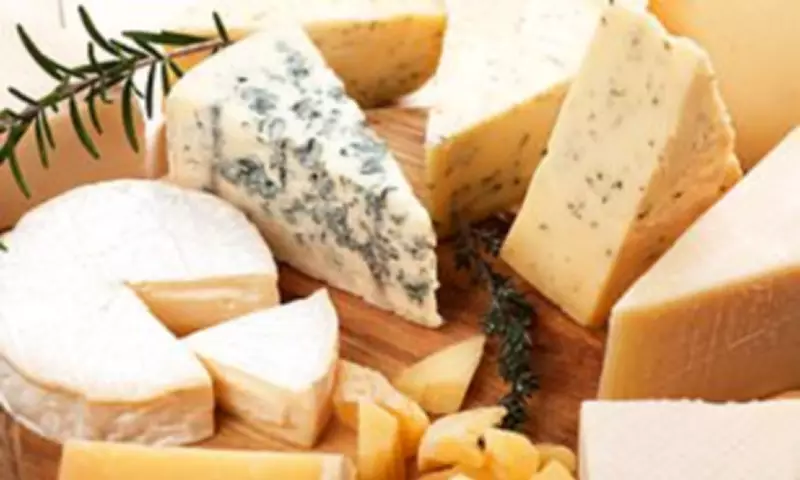
Daily Cheese Consumption Could Slash Gallstone Risk by Over 26%, Study Reveals
Regular consumption of cheese may substantially lower the risk of developing painful gallstones, according to groundbreaking new research. Approximately five million adults across the United Kingdom are estimated to suffer from this debilitating condition, which occurs when excessive cholesterol accumulates within the bile and gallbladder.
Significant Risk Reduction Linked to Cheese Intake
The comprehensive study discovered that individuals who incorporate cheese into their diet at least once daily demonstrated a remarkable 26.3 per cent reduced likelihood of developing gallstones. Even moderate consumption showed notable benefits, with those enjoying cheese once weekly experiencing a 13 per cent lower risk compared to people who completely avoid dairy products.
Researchers from Lanzhou University in China conducted the largest investigation to date, analyzing dietary patterns among 400,000 UK adults over an extensive ten-year period. During this timeframe, approximately 4 per cent of participants developed cholelithiasis, the medical term for gallstone disease.

Potential Biological Mechanisms Explained
Scientists propose several theories to explain these compelling findings. One prominent hypothesis suggests that the calcium content in cheese may promote more regular gallbladder emptying, thereby preventing cholesterol from crystallizing into hardened stones. Additionally, cheese consumption appears to increase levels of high-density lipoprotein cholesterol (HDL-C), commonly referred to as 'good' cholesterol.
This beneficial cholesterol assists the body in safely transporting cholesterol throughout the system, resulting in less cholesterol being deposited into bile. The research team published their detailed analysis in Nature's NPJ Science of Food journal, stating: 'These findings highlight the potential role of cheese as a modifiable dietary factor in gallstone prevention, partly through HDL-C cholesterol.'
Understanding Gallstone Formation and Risk Factors
Gallstones represent small, hardened deposits that form within the gallbladder, a pouch-like organ located in the liver that stores digestive bile. When these cholesterol-based stones accumulate and obstruct bile ducts, they can trigger severe abdominal pain requiring medical intervention.
Multiple factors contribute to gallstone development, including rapid weight loss and consumption of highly refined carbohydrates. Recent studies indicate approximately one in every hundred individuals using weight-loss medications like Mounjaro may experience gallbladder complications. People with type 2 diabetes also face elevated risks.
Contrasting Dietary Recommendations
Current National Health Service guidelines frequently advise patients with existing gallstone histories to avoid foods rich in saturated fats, including many cheese varieties, as these may provoke gallbladder discomfort. However, accumulating evidence suggests cheese might actually provide protective benefits for individuals without previous gallstone episodes.
The research demonstrated a clear dose-response relationship: consuming cheese two to four times weekly correlated with a 20 per cent risk reduction, while daily consumption offered the most substantial protection at over 26 per cent.
Future Research Directions
Scientific investigators emphasize the need for additional studies to validate these associations and explore underlying biological mechanisms more thoroughly. They concluded: 'Further research should explore additional biological mechanisms and validate these associations to support public health recommendations.'
This research presents intriguing possibilities for dietary approaches to gallstone prevention while highlighting the complex relationship between dairy consumption and gallbladder health.