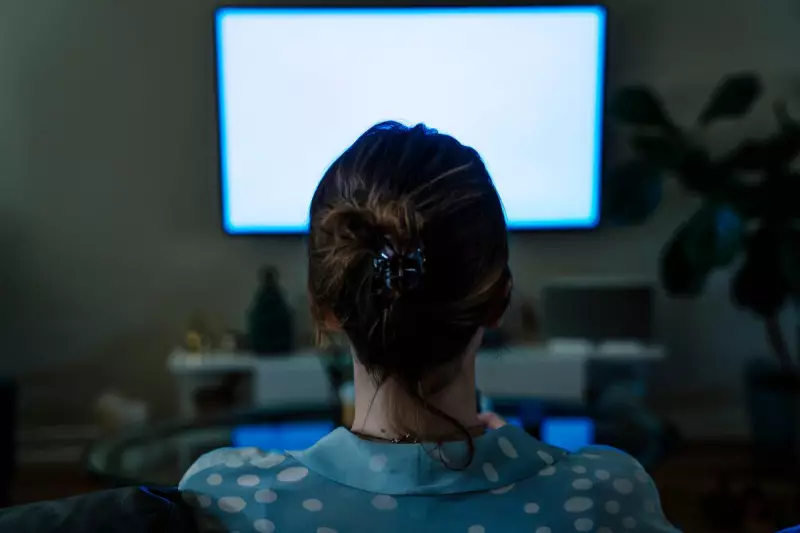
Spending more than three hours daily immersed in television and consuming over four episodes in a single sitting could be a significant indicator of loneliness, according to groundbreaking new research. The study reveals that binge-watching is frequently employed by individuals as a mechanism to 'regulate their negative emotions', particularly in response to feelings of social isolation.
The Pandemic's Lasting Impact on Viewing Habits
Since the Covid-19 pandemic forced millions into lockdown with severely limited social opportunities, the practice of binge-watching has become increasingly normalised. However, there has been little comprehensive understanding of how this behaviour affects mental wellbeing until now. The research, conducted by academics at Huangshan University in China, provides crucial insights into this modern phenomenon.
Defining Problematic Viewing Patterns
The study characterises binge-watching by several distinct features: deep concentration, loss of self-awareness, distorted time perception, and immediate enjoyment and gratification. While this can represent a harmless leisure activity initially, researchers warn it becomes problematic when it 'spirals out of control' and begins to interfere with daily responsibilities including work, study, and personal relationships.

Investigators surveyed 551 adults who regularly watch more than three-and-a-half hours of television and consume at least four episodes in one sitting. They measured multiple factors including:
- Tolerance levels and mood alteration
- Relapse tendencies and withdrawal symptoms
- Negative impacts on work performance
- Effects on interpersonal relationships
Loneliness as a Key Predictor
Published in the respected science journal PLOS One, the research found that 61% of participants displayed signs of what researchers classified as 'binge-watching addiction'. These individuals were then questioned about their experiences of loneliness and their ability to regulate emotions effectively.
The findings revealed a significant correlation: 'Increased loneliness was significantly correlated with higher levels of binge-watching addiction', according to the study authors. They noted that individuals experiencing heightened loneliness, seeking emotional fulfilment, or using binge-watching as an escape mechanism were substantially more likely to develop problematic viewing patterns.
The Emotional Regulation Mechanism
'Individuals utilise binge-watching to regulate their negative emotions, particularly in coping with loneliness,' the researchers explained. This aligns with previous studies that have identified increased media consumption during periods of emotional distress, with specific research linking heightened streaming activity to feelings of social isolation.
The 'pursuit of positive emotions' was identified as playing a crucial role in developing these problematic viewing habits. This creates a cycle where lonely individuals turn to streaming services for emotional comfort, which in turn may exacerbate their social withdrawal.
The UK's Streaming Landscape
This research has particular relevance in the United Kingdom, where approximately seven in ten households subscribe to at least one video streaming service. Netflix leads the market with 17.6 million subscribers, followed by numerous competitors offering endless content libraries.
Shows frequently cited as most 'binge-worthy' include Netflix phenomena like Stranger Things and Squid Game, alongside other multi-series successes such as Game of Thrones, Breaking Bad, and The Walking Dead. These series, with their compelling narratives and multiple seasons, are particularly conducive to marathon viewing sessions.
Differentiating Healthy from Harmful Viewing
In their concluding remarks, the study authors emphasised: 'This study advances our understanding of binge-watching by differentiating between addictive and non-addictive forms, demonstrating that loneliness significantly predicts binge-watching addiction.'

The research highlights the importance of recognising when leisure viewing crosses into problematic territory. While enjoying television series in moderation represents normal entertainment consumption, excessive binge-watching that interferes with daily life may signal underlying emotional challenges requiring attention.
As streaming services continue to dominate home entertainment, this study provides valuable insights for mental health professionals, content creators, and viewers themselves about the complex relationship between media consumption and emotional wellbeing in the digital age.