Bed-Wetting in Children Could Signal Type 1 Diabetes, Experts Warn
Parents are being alerted to a critical sign of type 1 diabetes in children that may manifest during sleep: new-onset bed-wetting. According to medical experts, this symptom, alongside others, warrants an immediate visit to a general practitioner for assessment.
Recognising the Symptoms of Type 1 Diabetes in Young Children
A detailed diabetes blog published on the JAMA Network, which compiles peer-reviewed medical journals, outlines that patients with type 1 diabetes often experience increased thirst, frequent urination, and unexplained weight loss. Additional symptoms can include heightened hunger, fatigue, and blurred vision.
For younger children, however, the presentation may differ. The blog notes that they "may develop irritability, lethargy, and new-onset bed-wetting". This observation is corroborated by Diabetes UK, which identifies bed-wetting in a previously dry child as a significant indicator.

Diabetes UK further explains that signs such as "going to the toilet a lot to pass urine, bed wetting by a previously dry child or heavier nappies in babies" are red flags. Additionally, "getting up in the night to go to the toilet" is another indication, though it alone may not be cause for alarm.
The Four Ts: A Mnemonic for Key Symptoms
The most common symptoms of type 1 diabetes in children can be remembered using the mnemonic the Four Ts:
- Toilet – Needing to urinate frequently
- Thirsty – Experiencing unquenchable thirst
- Tired – Feeling unusually fatigued or lacking energy
- Thinner – Losing weight or appearing slimmer
Other symptoms include being exceptionally thirsty, finishing drinks rapidly, decreased energy for play or sports, and a higher susceptibility to infections. These signs can emerge swiftly, often within a few days or weeks, necessitating urgent medical attention.
Immediate Actions for Suspected Diabetes
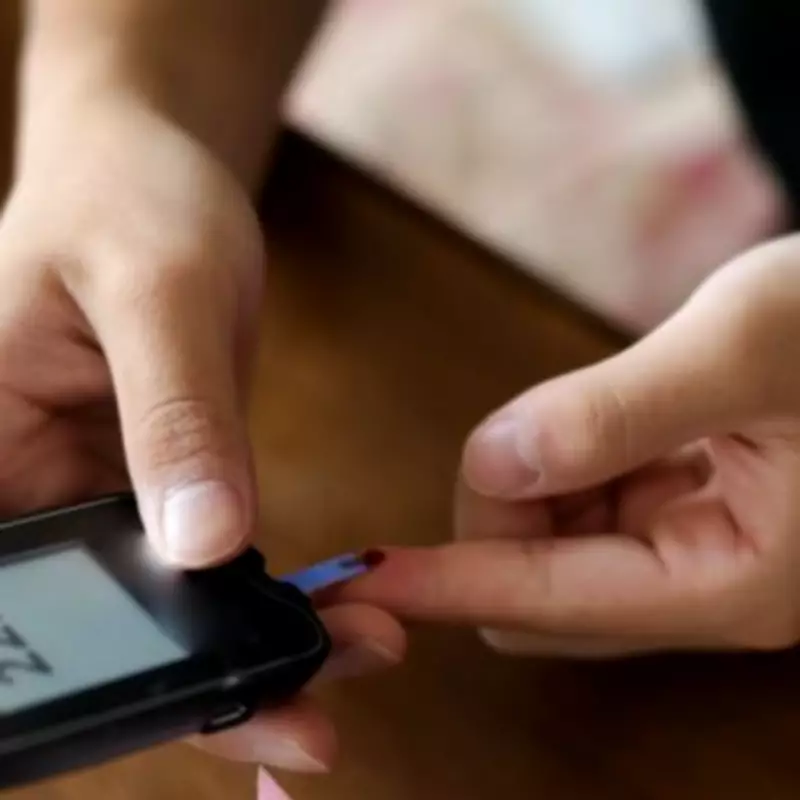
If a child exhibits any of these symptoms, parents are advised to take them to a doctor without delay and request a blood sugar test. A quick finger-prick test can be conducted to measure blood sugar levels. Should the results indicate high levels, the child will be referred to a specialist diabetes team or hospital for further evaluation, with lab tests to confirm the diagnosis.
Potential Life-Threatening Complications
Diabetes UK warns that many children and young people are not diagnosed with type 1 diabetes until they develop diabetic ketoacidosis (DKA), a life-threatening condition requiring immediate medical intervention. Similarly, undiagnosed type 2 diabetes or severe infections can lead to hyperosmolar hyperglycaemic state (HHS) or DKA.
Prolonged high blood sugar can also cause gradual damage to bodily organs over time. For families facing a diabetes diagnosis, support is available through organisations like Diabetes UK to help manage the condition effectively.